
All posts
What to eat before surgery: a two-week pre-op nutrition plan
What to eat before surgery, week by week: protein at every meal, which supplements to stop, the real fasting rules, and the hospital carb drink.
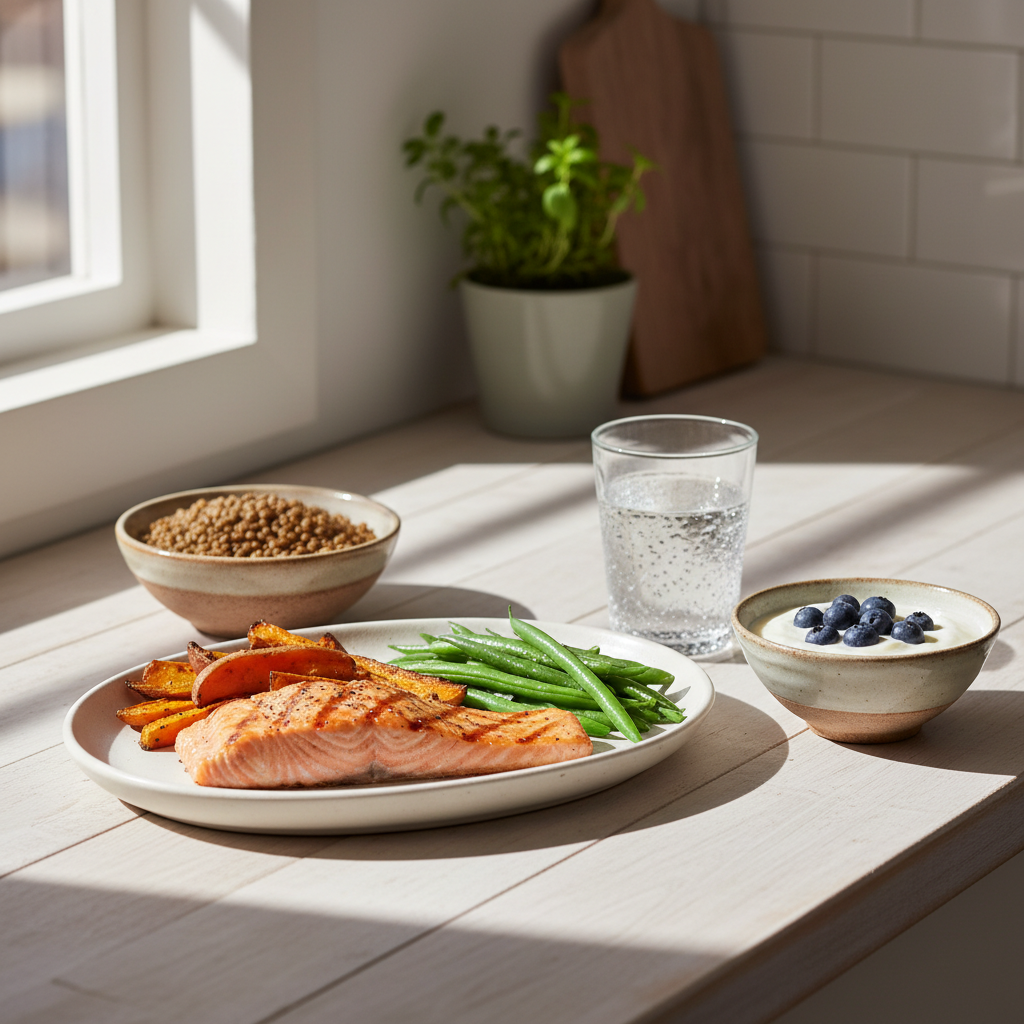
Your surgeon handed you a date, a fasting sheet, and maybe a list of pills to stop. Nobody handed you a grocery list. That gap matters more than most people think, because the two weeks before an operation are when your body builds the reserves it will spend on healing. Hospitals have a name for this now, prehabilitation, and the nutrition half of it is simple enough to do from your own kitchen.
This is the first post in a series on what to eat before a specific event. Here we cover what to eat before surgery, and the short version is below. One rule sits above all of it: your surgical team's instructions override anything on this page, especially on fasting and medication.
The short version
- Two weeks out: eat protein at every meal, about 25 to 30 grams, four times a day. Do not start a diet.
- One week out: stop herbal products and supplements unless your surgeon says otherwise. Tell them about every pill you take.
- The last three days: keep meals light and familiar, drink enough water, and take any nutrition drink your team prescribed.
- The night before and the morning of: follow your fasting sheet to the minute. Many hospitals now allow clear liquids, sometimes a carb drink, until two hours before you arrive.
Why food before surgery changes how you recover
Surgery is a controlled injury. Your body responds the way it would to any wound, by raising inflammation, burning through protein to rebuild tissue, and pulling on whatever stores you walked in with. If you walk in underfed, it pulls from muscle.
The American College of Surgeons runs a program called Strong for Surgery, and its nutrition sheet is blunt about this. Eating enough calories, protein, vitamins, and minerals before an operation helps you heal and fight infection. A narrative review of nutritional prehabilitation in abdominal surgery found the same pattern across studies: patients who shored up their nutrition beforehand had fewer complications and shorter hospital stays.
I find this reassuring, honestly. There is a lot about an operation you cannot control. What you eat for the next fourteen days is one thing you can.
The exception is weight loss surgery, where your surgeon may put you on a specific pre-op diet to shrink the liver. If you have been given a diet like that, it wins. This post is for everyone else.
Two weeks out: protein at every meal
Protein is the one nutrient every surgical nutrition guide agrees on. Alberta Health Services, whose prehab handout is one of the clearest I have read, puts the target at a meal with about 25 to 30 grams of protein four times a day. Spreading it out matters, because your body can only use so much at once.
What 25 to 30 grams looks like on a plate:
- Three eggs plus a slice of cheese
- A palm-sized piece of chicken, fish, or lean beef
- A cup of Greek yogurt or cottage cheese
- A cup and a half of cooked lentils or beans
- A scoop of whey or soy protein powder stirred into oatmeal or a smoothie
A few other things worth adding this week:
- Iron. Red meat, poultry, egg yolks, beans, and lentils. Low iron makes you tire faster and fight infection worse, and some surgeries lose blood. If you are worried about your iron, ask your team before you buy a supplement, because iron pills are often on the stop list.
- Omega-3 fats from food. Salmon, sardines, trout, walnuts, chia. Get them from food this week. Capsules go on the stop list below.
- Fluids. The ACS sheet says at least six to eight cups a day. Alberta's guide says nine to twelve for adults under 65. Water, milk, soup, and coffee all count.
- Fruit, vegetables, and whole grains. Nothing exotic. Half the plate at most meals.
And one thing to stop doing: dieting. The NHS prehab guidance says plainly that this is not the time to lose weight unless your surgeon has told you to. A calorie deficit means a protein deficit, and the muscle you lose now is the muscle you need to get out of a hospital bed.
If your appetite is poor, or you have lost weight without trying, say so at your pre-op appointment. That is exactly the situation a protein drink or a dietitian referral is for. Look for a drink with at least 10 grams of protein per serving.
One week out: stop the supplements
This is the part people get wrong, because it feels harmless. A fish oil capsule, a turmeric gummy, a melatonin before bed. Several of these thin the blood or interact with anesthesia, and surgeons care about bleeding more than almost anything.
UW Medicine's patient handout is the most direct version I found: starting seven days before surgery, stop all herbal products, natural supplements, and vitamins. Its list of products that may cause bleeding includes fish oil, flax seed, garlic, ginger, ginkgo, ginseng, glucosamine, turmeric, vitamin E, and melatonin. Some surgeons ask for two weeks on vitamin E and ginkgo.
Two things are different from supplements:
- Prescription blood thinners and aspirin. Do not stop these on your own. Warfarin, Eliquis, Plavix, and daily aspirin all need a specific plan from the doctor who prescribed them.
- Ibuprofen, naproxen, and Advil-type painkillers. Usually stopped before surgery too, but your team will tell you when. Tylenol (acetaminophen) is typically fine.
The practical move is to put every bottle you take on the counter, photograph it, and go through the list with your pre-op nurse. Then put the stop date on the calendar.
Alcohol belongs on this list too. Many teams ask you to stop drinking in the week or two before, and anyone who drinks heavily needs to tell their anesthesiologist, because it changes how anesthesia is dosed. Smoking is the other one, and your team will ask you to stop as early as you possibly can.
The last three days: light, familiar, and well-watered
By now the protein habit should be running. The last few days are about not surprising your gut.
- Eat the way you normally do. This is the wrong week to try a new restaurant, a new cuisine, or a cleanse.
- Keep meals moderate in size and lower in fat the day before. A heavy, greasy dinner the night before an early surgery is a common cause of nausea after.
- Drink water through the day instead of chugging it at night.
- If your team gave you an immune-modulating drink, this is when it runs. Programs like Strong for Surgery suggest about a week of it before complex surgery, and the ACS sheet says these drinks can cut complications by nearly half in the right patients. Your team prescribes them. They are a different product from the protein shakes at the grocery store.

The night before and the morning of
Here is where the rules are absolute and the folklore is out of date.
The old instruction was "nothing after midnight." Current American Society of Anesthesiologists guidance, summarized in this ERAS review, is a six-hour fast from a light meal and a two-hour fast from clear liquids. Many hospitals now run Enhanced Recovery After Surgery (ERAS) protocols that go further and actively want you to drink. University Hospitals in Ohio, for example, tells ERAS patients they can have up to 13.5 ounces of clear liquid on the morning of surgery and must stop two hours before arrival.
That drink is often a carbohydrate drink, something like Ensure Pre-Surgery, or ten ounces of a full-sugar sports drink in a color that will not stain (no red or purple). The ESPEN surgical nutrition guideline recommends a carb drink the evening before and two hours before most major surgeries, because arriving with some fuel in your system lowers insulin resistance and nausea, along with the shaky, hungry misery of waking up after a 14-hour fast.
What counts as a clear liquid, per the UH sheet: anything you can see through in a glass. Water, apple juice, clear sports drinks, black coffee or tea with no milk. Milk, orange juice, smoothies, and broth with fat floating in it all break the fast.
Three things that override everything above:
- Your anesthesia team's sheet. If it says nothing after midnight, do nothing after midnight. Protocols vary, and your surgery may have its own reasons.
- Diabetes. The carb drink is handled differently if you have diabetes, and you will get separate instructions.
- The time. The clock usually runs from your scheduled arrival time rather than the surgery time. Check which one your sheet means and set an alarm for the cutoff.
If you slip and eat something, say so at check-in. A delayed surgery is far better than anesthesia on a full stomach.
Stock the house for the week after
You will not want to cook when you get home, and whoever is helping you will not know what to buy. Do it now.
- Protein that takes no effort: Greek yogurt, cottage cheese, eggs, rotisserie chicken, canned tuna, protein shakes.
- Soft, easy foods for the first day or two: soup, oatmeal, mashed potatoes, applesauce, bananas.
- Fiber and fluids for constipation. Pain medication backs almost everyone up. Prunes, pears, oats, beans, and a lot of water.
- A few meals in the freezer. Chili, lentil soup, anything you can heat in one bowl.
How BodyBuddy helps
Most people read their pre-op packet once, in the car, and never again. BodyBuddy is an AI coach that texts you every day, and it was built for exactly this gap between the appointment and the follow-through.
Upload a photo or PDF of your pre-op instructions in the BodyBuddy app and it turns them into a daily plan: the supplement stop date, the protein target, the fasting cutoff. Then it texts you each day to help you stick to it. Text it a photo of lunch and it tells you how much protein was on the plate, so hitting 25 to 30 grams four times a day stops being a math problem. Ask it whether you can have coffee tomorrow morning and it answers from your own sheet.
After surgery the same thing works in reverse. Upload your discharge instructions and BodyBuddy turns them into daily texts for wound care, exercises, and the follow-up appointment. There is a page about that at bodybuddy.app/coaching/post-op-recovery.
BodyBuddy is not medical care and does not replace your surgeon, your anesthesiologist, or a registered dietitian. It helps you follow their instructions. For anything concerning, call the office.
FAQ
Can I drink coffee before surgery?
Often yes, black, until the clear-liquid cutoff on your fasting sheet. Black coffee counts as a clear liquid under ASA guidance. Milk or cream does not, so a latte breaks the fast. Confirm with your team, because some hospitals still ask for nothing at all.
Should I lose weight before surgery?
Only if your surgeon has asked you to, and then with a dietitian's plan. Otherwise no. Dieting in the two weeks before an operation costs you muscle and protein at the moment you need both.
Do I need a protein shake?
You do not if you can eat 25 to 30 grams of protein four times a day from food. If your appetite is low, you are losing weight, or you eat small meals, a daily shake with at least 10 grams of protein is an easy way to close the gap. The ACS sheet specifically recommends one for people who cannot eat enough.
What if I ate something by accident during the fast?
Tell the pre-op nurse before you go in. They may delay or reschedule, which is annoying but safe. Hiding it is the only truly bad option.
Can I take my regular medications the morning of surgery?
Usually yes, with a small sip of water, but it depends on the medication. Blood thinners, diabetes drugs, and some blood pressure medications have specific rules. Your pre-op call is where you ask.
What to do this week
Print your pre-op sheet and put it on the fridge. Then do three things: put the supplement stop date and the fasting cutoff in your calendar, buy enough protein for four servings a day, and tell your care team about every pill, gummy, and powder you take.
If you want something that keeps all of that in view without re-reading the packet, upload it to BodyBuddy and let the daily texts carry it to the day of.
Related BodyBuddy guides
Everyone gives you a plan.BodyBuddy texts you until it happens.
BodyBuddy keeps you on track—from meals to doctor's appointments and everything in between.