
Nutrition|February 13, 2026|Francis
How to meal prep for beginners: a no-nonsense guide
A practical BodyBuddy guide to how to meal prep for beginners: a no-nonsense guide, with useful considerations and next steps.
Every Sunday, your Instagram feed fills up with people showing off their perfectly arranged meal prep containers. Twelve identical meals lined up in neat rows, color-coded vegetables, matching lids. It looks impressive, but it also looks like a lot of work. And for most beginners, that image is intimidating enough to keep them from ever starting.
Here is what I want you to know: meal prep does not have to look like that. You do not need twelve containers, a label maker, or a three-hour cooking session. You need a plan to make weeknight eating easier, and that can be as simple as cooking a protein and chopping some vegetables in advance.
Start by mapping the week with this free meal plan template and grocery list, then prep only the components that remove real friction.
Why meal prep matters for weight loss
The single biggest predictor of what you will eat for dinner is how tired and hungry you are at 6 PM. If you walk in the door starving with nothing prepared, you are going to order takeout or grab whatever is fastest. That is not a character flaw. That is decision fatigue meeting hunger, and hunger always wins.
A 2017 study published in the International Journal of Behavioral Nutrition and Physical Activity found that people who spent more time on meal planning and preparation had significantly better diet quality and were less likely to be obese. The effect was independent of cooking skill. It was the planning itself that made the difference.
Meal prep removes the daily decision of "what should I eat?" from the equation. When healthy food is already sitting in your fridge, ready to heat up, choosing it becomes the path of least resistance instead of the path of most effort.
The beginner-friendly approach: prep ingredients, not full meals
Most meal prep advice tells you to cook complete meals. That works for some people, but it has a downside: by Wednesday, you are tired of eating the same thing. Meal prep burnout is real, and it kills more meal prep habits than laziness does.
A better approach for beginners is to prep components. Cook proteins, prepare bases, and chop vegetables separately. Then mix and match throughout the week to create different meals from the same ingredients.
For example, on Sunday you might:
- Bake 2 pounds of chicken thighs with basic seasoning (salt, pepper, garlic powder, paprika)
- Cook a big batch of rice or quinoa
- Roast a sheet pan of mixed vegetables (broccoli, bell peppers, sweet potato)
- Wash and chop salad greens
- Hard-boil a dozen eggs
Monday those ingredients become a chicken rice bowl with roasted vegetables. Tuesday they become a salad with chopped chicken and hard-boiled eggs. Wednesday you toss the chicken and veggies in a tortilla with hot sauce. Same prep, different meals, and it takes about 90 minutes on Sunday.
Your first meal prep session: a step-by-step plan
If you have never meal prepped before, start here. This covers roughly 10 meals for under $40 and takes about 90 minutes.
Shopping list
- 2 pounds boneless skinless chicken thighs ($5-7)
- 1 pound ground turkey ($4-6)
- 2 cups dry rice ($1)
- 1 dozen eggs ($3)
- 2 heads of broccoli ($3)
- 1 bag of mixed salad greens ($3)
- Bell peppers, onion, sweet potatoes ($4-5)
- Olive oil, salt, pepper, garlic powder, paprika (pantry staples)
- Tortillas or wraps ($3)
- Your favorite sauce or dressing ($3-4)
The cook sequence
The key to efficient meal prep is doing multiple things at once. Here is the order that minimizes total time:
- Preheat oven to 425 degrees. Start the rice cooker or pot of rice.
- While rice cooks, season chicken thighs and arrange on a sheet pan. Put eggs in a pot, cover with water, bring to boil.
- Chop vegetables. Toss broccoli, peppers, and sweet potato with olive oil and seasoning on a second sheet pan.
- Put both sheet pans in the oven. Chicken: 25-30 minutes. Vegetables: 20-25 minutes.
- While things roast, brown the ground turkey with taco seasoning or whatever spices you like.
- Once eggs have boiled for 10 minutes, move them to ice water. Wash and dry salad greens.
- Let everything cool, then portion into containers. Refrigerate what you will eat in the next 3-4 days, freeze the rest.
Common meal prep mistakes to avoid
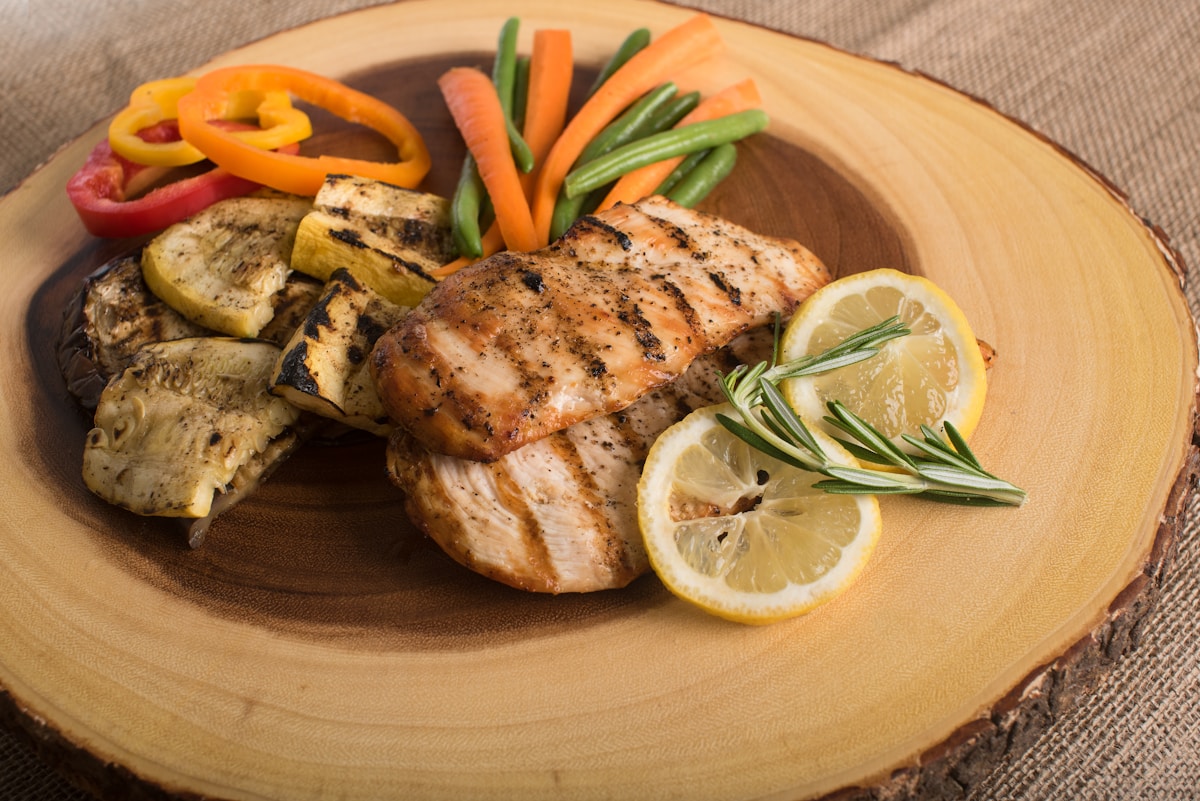
Cooking too much of the same thing is the number one killer of meal prep habits. If you make five identical chicken and rice bowls, you will be sick of them by day three. The component-based approach solves this, but even within that framework, variety matters. Use different sauces. Add different toppings. Change the format from bowl to wrap to salad.
Not accounting for taste fatigue is related. Some foods reheat well and some do not. Fish is terrible reheated in a microwave. Chicken thighs hold up much better than chicken breast. Roasted vegetables are fine for three days but get mushy after that. Learn which foods maintain quality in the fridge and favor those.
Forgetting snacks is a sneaky problem. You prep beautiful lunches and dinners, but you have nothing for that 3 PM hunger that hits every day. Include easy snacks in your prep: pre-portioned nuts, washed fruit, cut vegetables with hummus, string cheese, or Greek yogurt cups.
Spending too much time on it. If your meal prep takes four hours, you will not do it consistently. Aim for 60-90 minutes maximum. If a recipe requires 30 minutes of active prep time, it is too complex for batch cooking. Save the fancy recipes for Friday night.
How to stay consistent with meal prep
Pick a specific day and time. For most people this is Sunday afternoon, but it works on any day. The important thing is that it becomes a routine, not a decision you make each week.
Start smaller than you think you need to. If prepping five days of food feels overwhelming, start with three. Or just prep lunches and let dinners be flexible. You can always expand once the habit is established.
Keep a rotation of four to five meal templates. You do not need to reinvent the wheel each week. A protein bowl, a salad, a wrap, a stir-fry, and a soup cover most bases. Rotate the specific proteins, vegetables, and sauces to keep things interesting.
How BodyBuddy supports your meal prep habit
One of the things we hear from BodyBuddy users is that having a coach check in about meals makes them more likely to actually eat the food they prepped. It sounds simple, but the accountability loop works. When you know someone will ask what you had for lunch, reaching for the container in the fridge becomes the default.
BodyBuddy can also help with meal planning itself. Text what ingredients you have and ask for meal ideas. Tell it you are bored with your current rotation and want new suggestions that fit your calorie and protein targets. It works like texting a friend who happens to know a lot about nutrition. Try it at bodybuddy.app.
Frequently asked questions
How long does meal prepped food last in the fridge?
Most cooked proteins and grains last 3-4 days refrigerated. Raw chopped vegetables last 4-5 days. If you are prepping for a full five days, cook the protein for the second half of the week and freeze it, then thaw it Wednesday night.
What containers should I buy?
Glass containers with snap lids are the gold standard because they do not stain, reheat well, and last forever. But you can start with whatever you have. Repurposed takeout containers, mason jars, or basic plastic containers all work fine. Do not let container shopping become a reason to delay starting.
Is meal prep actually cheaper than eating out?
Almost always, yes. The prep outlined above costs about $30-40 and covers roughly 10 meals, which works out to $3-4 per meal. A comparable restaurant meal or delivery order runs $12-20. Even with the time investment, most people save $50-100 per week by meal prepping consistently.
The bottom line
Meal prep does not need to be complicated or Instagram-worthy to work. Start by prepping components rather than full meals: cook a protein, make a grain, and roast some vegetables. Mix and match throughout the week. Keep it under 90 minutes. Use sauces and toppings to create variety from the same base ingredients. The goal is not perfection. The goal is having something healthy and ready to eat when you are tired and hungry, because that is when your food choices matter most.
Related BodyBuddy guides
- Meal prep for weight loss: a beginner's guide that actually sticks
- Meal prep for weight loss: a beginner's guide that won't ruin your Sundays
- Meal prep for weight loss: a beginner's guide that actually saves time
- How to meal prep for weight loss: a week-by-week system that actually works
- Intermittent fasting for beginners: a honest guide to getting started (without the hype)
Want daily accountability?
BodyBuddy texts you every day.
Build a healthier relationship with food and movement, one text at a time.