First 20 minutes
Start with your why

We talk before we count anything. I ask what you want, what reaching it would really feel like, what got in the way last time, and why it matters now. I bring it back up on the day you need it.
Tell me the goal and how hard you want me to push. I'll take it from there, one day at a time.
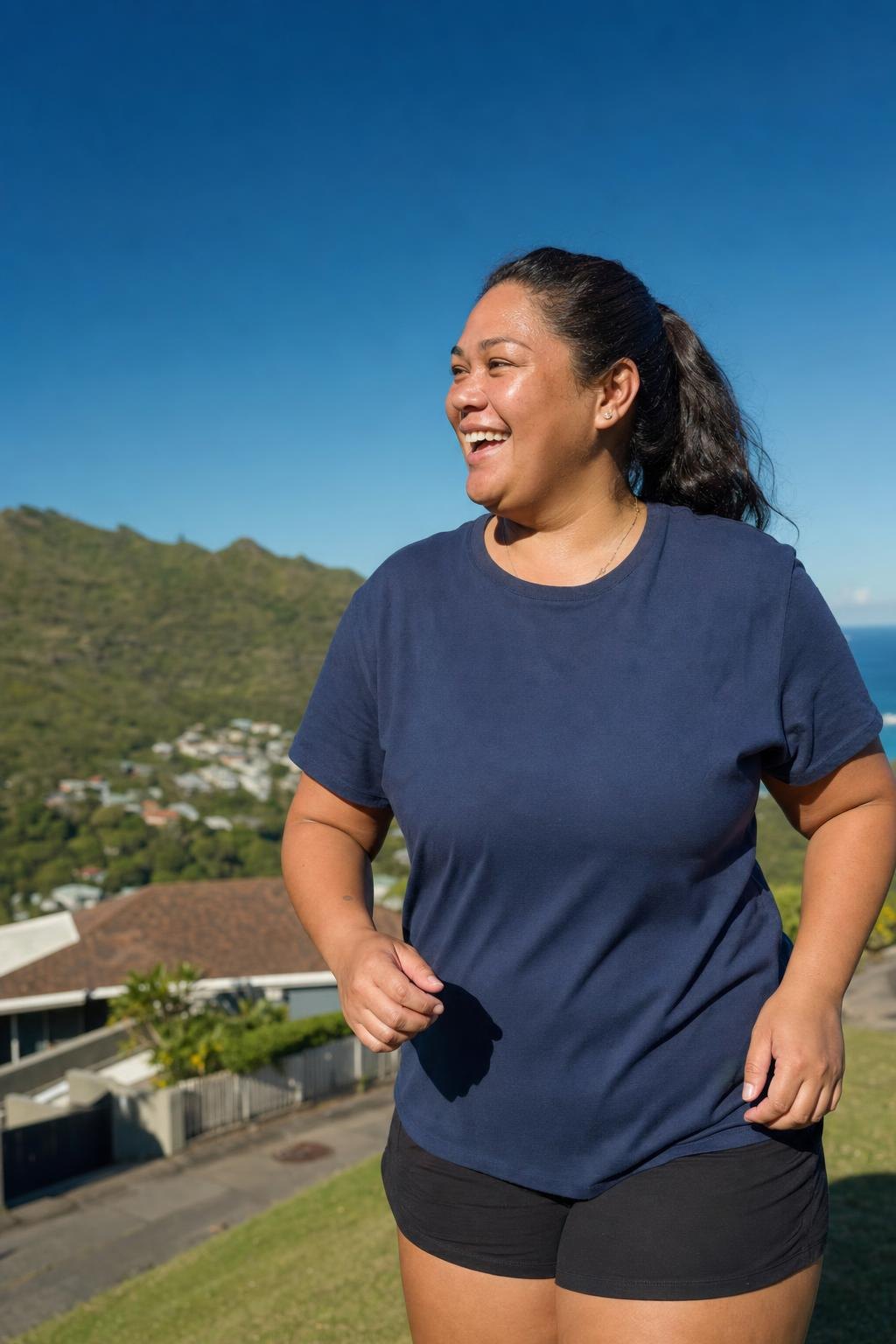
“Down 62 lbs since starting the service”

This is what we do to help clients lose weight. Your journey will bend to you, but this is the shape.
First 20 minutes
We talk before we count anything. I ask what you want, what reaching it would really feel like, what got in the way last time, and why it matters now. I bring it back up on the day you need it.
Week 1

Text me each meal, or a photo, and I log it. Nothing changes this week. By the end of it we both know where your calories and protein really are, and we set your targets from that.
Week 2
If you already have a meal plan from a dietitian, YouTube, or TikTok, send it to me and I'll help you stick to those meals. If you don't have one, we'll build it around food you already like, and I'll make the grocery list.
Every day

A photo or a sentence, and your numbers come back the same minute, protein first. I teach the basics as they come up: what a serving of protein looks like, how to shop, and what to order at the Thai place. I check in every morning and ask how it went at night.
Every day

We figure out what you enjoy and can sustain. Walking counts, and your steps come from your phone. If you want a program, pick one or we build it together, and I text you each session.
Some days

I keep track of your sleep from your devices or from what you tell me, and I work out your sleep debt. We reinforce the sleep habits that work for you. A rest day is part of the plan and I'll say so before you have to ask. On a sick day the targets come down.
Every two weeks
We recommend once every two weeks, so we don't get in the weeds with daily fluctuations. Same day, same time, first thing. Text me the number or let your scale send it, and I keep the trend.
Sundays

You tell me how the week felt. Then I tell you what I saw. If a target keeps getting missed, the target is wrong for your life, and I say so.
Around month 2

My most successful clients always seem to hit something around now: a surgery, a flare-up, a breakup, a brutal week at work. We'll adapt our targets to whatever life throws at you and keep you moving forward.
Month 3 and on

The trip, the wedding, the busy week: we plan it before it starts. When the scale stalls, you get the boring explanation first, then a question about what the number means to you, then the honest talk about pace.
Everyone losing weight runs into the same traps. The scale stalls. One bad meal turns into a bad weekend. The snacks in the cupboard win at 9pm. When you hit one, I text you a short lesson on it: a few picture cards you can flip through, right in our thread. Here is one of them.





 meal photo
Log with a photo, a voice note, or a text
Send a picture of the plate, talk it out, or type a line. I log it either way.
Live updates in the Dynamic Island
With the app, your day sits at the top of your phone while you text me.
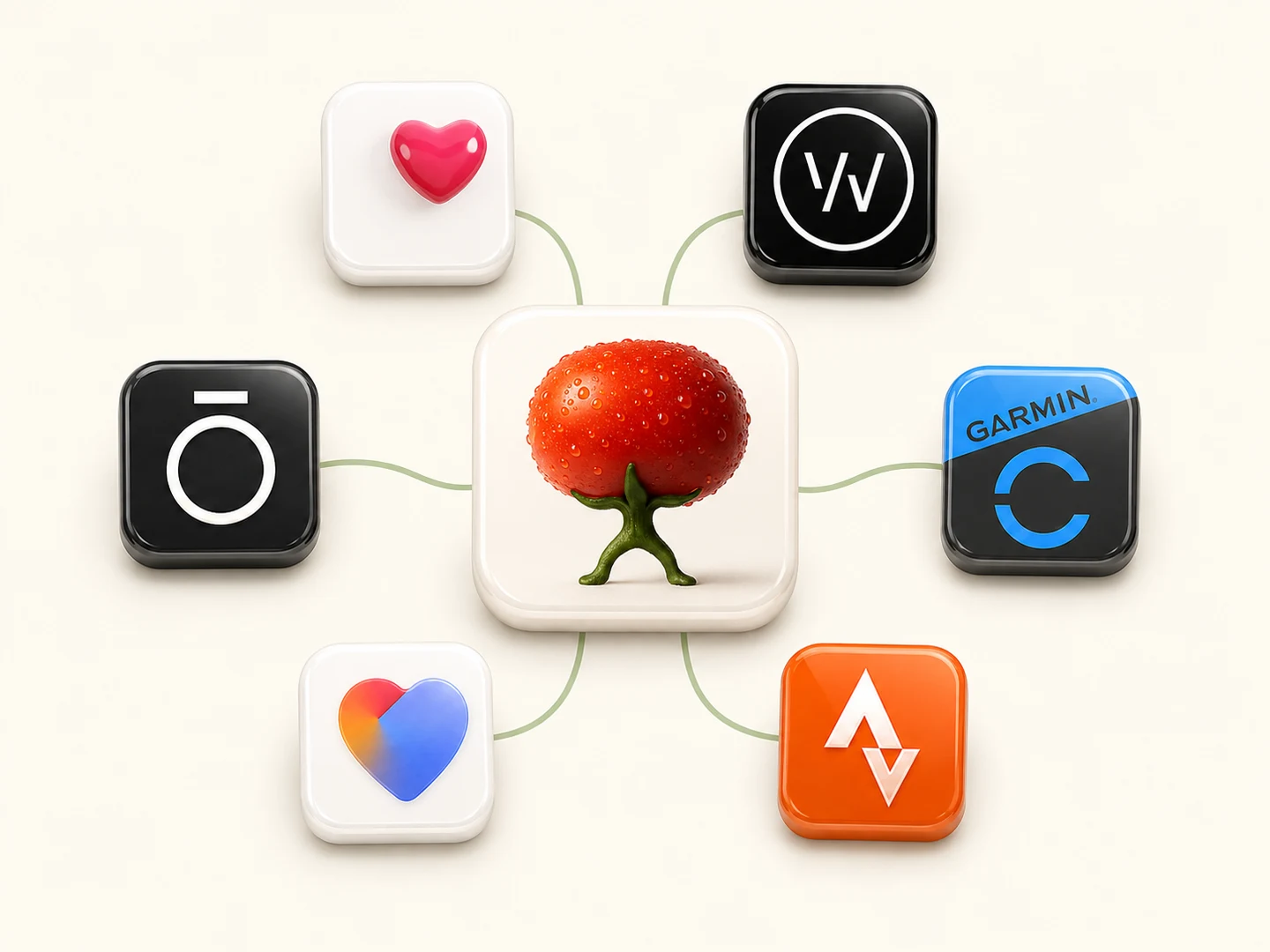
Apple Health and device integrations
Steps, sleep, and workouts sync from your phone or device, giving me a fuller picture of your health and deeper insights into your progress.
Weight trend
last 8 check-ins
Ask me about any of your data
Ask a question about anything we've tracked and I send back a chart, right in the thread.
Tap to start a conversation if this sounds like you.
Everything above starts from one text, and the baseline week starts the day you send the first meal. If you already have a plan from a dietitian, a trainer, or your doctor, bring it and the days come from there. And if you want to see the numbers behind this before you text, they're published.
No. BodyBuddy is an AI coach, and I say so. What you get is someone paying attention every day: I read what you send, I remember it, and I text first when it matters.
You don't. Text me what you ate or send a photo and I do the counting. The first week nothing changes; by the end of it we both know where your calories and protein really are, and we set targets from that.
Bring it. Photo the plan from your dietitian, your trainer, or your doctor, or send me a YouTube or TikTok link, and the days come from there. I check the meals off and count the protein.
Read the full answerYes. I keep protein and fluids in view while the dose goes up, I hold what you report against the label's own list, and the plan follows your appetite. I never touch the dose.
Read the full answerWe recommend once every two weeks, so we don't get in the weeds with daily fluctuations. Text me the number or let your scale send it, and I keep the trend.
Almost everyone hits one: a trip, a flare-up, a brutal week at work. The targets come down to something you can actually do that week and we keep going. Nobody starts over.
The method is the same and two parts get more weight: strength training twice a week and protein at every meal. The full page has what the sources say and where the figures come from.
Read the full answerPlenty of people who have had a baby recently use BodyBuddy, and what they tell us is that it takes some of the mental load of their own health off their plate. Your provider decides when you start; I keep track of the rest.
Read the full answerWhat the research says about eating late, sleep and hunger, the habits the guidelines name for the evening, and where it becomes a clinical question.
Read the full answerThe weekly and six-month figures with their owners, why loss slows, why the 3,500-calorie rule is wrong, and what the trials produced.
Read the full answerWhat the diet trials say predicts results, the habits the registries and reviews keep finding, and what the sources say to do after a bad day.
Read the full answer
Hi, I'm Francis 👋
I quit every plan on a day when nobody asked how it was going. I built BodyBuddy so that day never comes.
Francis John, BodyBuddy FounderText me7-day free trial, cancel anytime.
No one is reading your texts
Nobody monitors your thread. A conversation is reviewed by our own staff only in limited cases, such as a request for human help or a safety concern, and never shared outside.
Your data is yours to delete
You can request deletion of your personal data at any time, and deleting your account removes it from our systems.
Not sold or used for advertising
We do not sell consumer health data or share it for advertising. Service providers process it only to deliver the features you choose.
A coach that stays with you through every plan, every setback, and all the days in between.