Nutrition|August 12, 2026|BodyBuddy Team
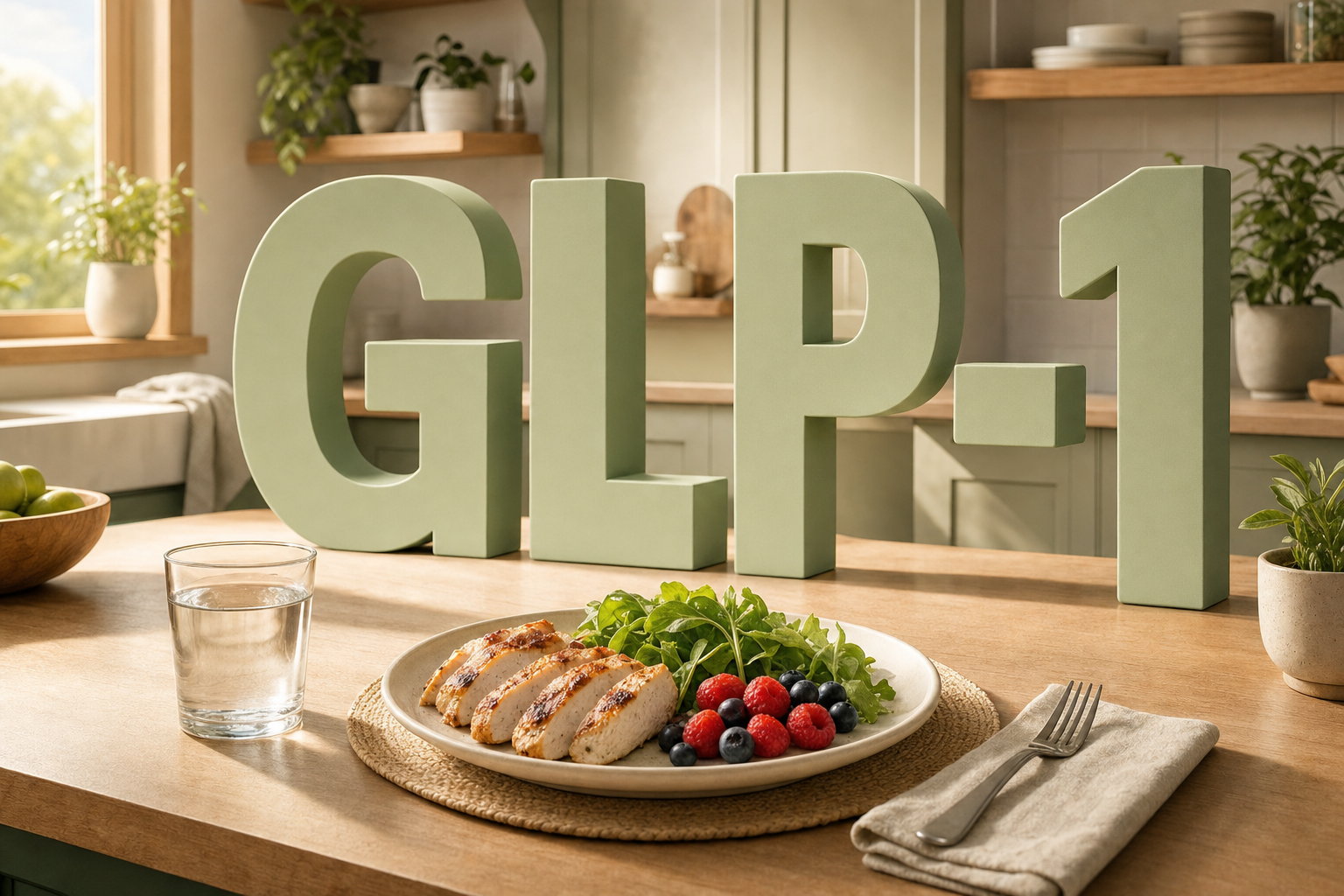
GLP-1 Diet Plan: 7-Day Meal Plan, Food List & Grocery List
A flexible 7-day GLP-1 meal plan with a food list, grocery list, easy swaps, protein guidance, and practical options for low-appetite days.

Starting a GLP-1 medication can change the most ordinary parts of eating. A normal portion may suddenly feel enormous. Breakfast may stop sounding interesting. Rich food that used to sit fine may feel heavy. At the same time, eating substantially less can make it harder to cover protein, fluids, fiber, vitamins, and minerals.
That is why a useful GLP-1 diet plan is not simply “eat as little as possible.” It should help you make a smaller amount of food count, adapt meals to what you can comfortably tolerate, and keep following the plan your clinician or registered dietitian gave you.
The short answer
There is no single medically correct GLP-1 diet. A practical plan uses small, regular, nutrient-dense meals; includes a tolerable protein source when you eat; keeps fluids available throughout the day; and changes with your appetite, symptoms, medical conditions, and clinician’s instructions. The seven-day plan below is a flexible example, not a calorie prescription.
Important: This guide is general education. It does not replace your prescriber or a registered dietitian, and it does not tell you how to start, stop, or adjust medication. If your care team has given you a meal plan, fluid limit, protein target, diabetes plan, or other medical instructions, follow those instead.
Download the free printable 7-day GLP-1 meal plan and grocery list. It includes the flexible menu, swap matrix, shopping checklist, and a page for your own care-team instructions.
What makes a GLP-1 meal plan useful?
GLP-1-based medications used for weight management include semaglutide products such as Wegovy and dual GIP/GLP-1 medications such as Zepbound. Their current FDA labels note that they delay gastric emptying, and nausea, vomiting, diarrhea, constipation, and abdominal discomfort are among the common adverse reactions.
That does not mean everyone needs a bland diet or a rigid list of forbidden foods. It means the plan should be easier to adjust than a conventional seven-day weight-loss menu.
1. Use smaller meals as a starting point
Large meals are often harder to tolerate when you feel full sooner. Current expert guidance recommends smaller, more regular meals for people struggling with early fullness or nausea, particularly during the first weeks of treatment or after a dose increase.
“Small” is intentionally not a measured portion here. Eat slowly, notice when you feel comfortably full, and stop rather than finishing a serving by force. You can save the rest and return to it later.
2. Give protein an early place in the meal
Reduced appetite can make it difficult to eat enough protein. The 2025 joint advisory from four nutrition and obesity medicine organizations suggests eating protein-rich foods first when appetite is limited.
Useful options include:
- Eggs
- Greek yogurt or cottage cheese
- Fish and seafood
- Lean poultry
- Tofu, tempeh, and edamame
- Beans, peas, and lentils
- Milk or fortified soy milk
- Nuts, seeds, and their spreads
That does not mean protein should crowd everything else off the plate. Fruits, vegetables, whole grains, legumes, and other nutrient-dense foods still matter. It also does not mean protein alone preserves muscle; resistance training is an important part of that picture too.
3. Protect variety when total intake falls
When food volume drops, an all-snack diet can become surprisingly narrow: a shake, a bar, crackers, then nothing until dinner. Convenience foods can be useful, but they should not quietly replace every fruit, vegetable, whole grain, and varied protein source.
A simple way to audit a day is to ask:
- Did I have more than one kind of protein food?
- Did I eat at least a few different plant foods?
- Did I include a grain, bean, potato, or another carbohydrate I tolerate?
- Did I drink fluids, rather than waiting to feel thirsty at night?
You do not need to win every category at every meal. Look at the day and the week.
4. Keep fluids visible and easy to sip
The FDA labels for Wegovy and Zepbound warn that nausea, vomiting, or diarrhea can lead to dehydration and, in some cases, kidney injury. Keep a drink nearby and sip across the day rather than trying to catch up all at once.
There is no universal water target in this guide. Climate, activity, body size, kidney function, heart conditions, and medications can all change fluid needs. Follow any limit or target from your care team.
5. Let tolerance change the format, not erase the plan
Some days a full salad sounds fine. On another day, soup, yogurt, eggs, rice, or a smoothie may be easier. That is not failure. The job of a flexible plan is to preserve the nutritional purpose of the meal while changing its texture, temperature, volume, or ingredients.
A flexible 7-day GLP-1 meal plan
This plan does not prescribe calories, macros, or portion sizes. Adjust it to your appetite and the plan you received from your clinician or dietitian.
The smaller meal listed each day is optional. You can use it as a snack, split a larger meal into two sittings, or skip it when your regular meals comfortably cover your needs. If you have diabetes or take glucose-lowering medication, do not change your meal timing based on this sample without checking your clinical plan.
Day 1
Breakfast: Greek yogurt or fortified soy yogurt with berries and oats
Lunch: Lentil and vegetable soup with whole-grain toast
Dinner: Salmon or tofu with quinoa and cooked zucchini
Optional smaller meal: Cottage cheese or soy yogurt with soft fruit
Make it easier: Use a smooth blended vegetable soup if chunky food is unappealing. Save half the dinner for later rather than forcing a large serving.
Day 2
Breakfast: Eggs or tofu scrambled with spinach, served with toast
Lunch: Chicken or chickpea grain bowl with cucumber, tomato, and a light dressing
Dinner: Turkey-and-bean chili or lentil chili
Optional smaller meal: Banana with a small amount of nut or seed butter, if tolerated
Make it easier: Turn the lunch into two smaller portions. If raw vegetables feel uncomfortable, substitute cooked carrots or squash.
Day 3
Breakfast: Oatmeal made with milk or fortified soy milk, berries, and yogurt on the side
Lunch: Tuna and white bean salad, or mashed chickpea salad, with toast or crackers
Dinner: Chicken or tempeh with sweet potato and green beans
Optional smaller meal: Kefir or soy yogurt
Make it easier: Mash the sweet potato and serve the protein in a smaller amount first. Use fewer raw salad ingredients when nausea or early fullness is active.
Day 4
Breakfast: Smoothie made with yogurt or fortified soy milk, berries, and oats
Lunch: Quinoa tabbouleh with chickpeas and a modest amount of yogurt dressing or tahini
Dinner: Cod or tofu with rice and cooked carrots
Optional smaller meal: An egg or a small serving of edamame
Make it easier: Blend the smoothie thinner and drink it slowly. If fat worsens nausea or reflux, use less tahini rather than removing the entire meal.
Day 5
Breakfast: Cottage cheese or tofu ricotta with fruit and toast
Lunch: Turkey or tempeh wrap with cucumber and greens
Dinner: Whole-grain pasta with lean turkey or lentils, tomato sauce, and spinach
Optional smaller meal: Plain or lightly sweetened yogurt
Make it easier: Serve the pasta and sauce separately so you can choose the amount that feels comfortable. A bowl of turkey-lentil soup can replace the wrap when dry food is unappealing.
Day 6
Breakfast: Greek yogurt or soy yogurt with banana and oats
Lunch: Chicken or tofu vegetable soup with toast or crackers
Dinner: Shrimp or tofu rice bowl with cooked vegetables
Optional smaller meal: Fruit with cheese or a fortified soy alternative
Make it easier: Keep the rice bowl simple. Heavy sauces and fried toppings can wait for a day when your stomach feels settled.
Day 7
Breakfast: Overnight oats with yogurt or fortified soy yogurt and berries
Lunch: A leftovers bowl using one protein, one grain, and one cooked vegetable from the week
Dinner: Sheet-pan salmon or tofu with potatoes and broccoli
Optional smaller meal: Cottage cheese or soy yogurt
Make it easier: Use cooked spinach, zucchini, or carrots instead of broccoli if a cruciferous vegetable feels too bulky. Flake the salmon or cube the tofu into rice if a plated dinner seems like too much.
GLP-1 meal-plan swap matrix
The easiest plan to follow is one that survives a missing ingredient, a vegetarian guest, and a low-appetite Wednesday. Use this matrix to change the food without losing the meal’s basic structure.
- Protein anchor: Eggs, Greek yogurt, cottage cheese, chicken, turkey, fish, or shrimp. Plant-based swaps include tofu, tempeh, edamame, lentils, beans, and fortified soy yogurt. For a softer or lower-volume option, try yogurt, eggs, silken tofu, flaked fish, or a slowly sipped smoothie.
- Carbohydrate base: Oats, rice, quinoa, potatoes, or whole-grain bread or pasta. These choices are naturally plant-based. Rice, toast, oatmeal, and mashed potato can be easier on a lower-appetite day.
- Produce: Choose any tolerated fruit or vegetable. Soft fruit, cooked carrots or zucchini, vegetable soup, and blended fruit may feel easier than raw or bulky produce.
- Flavor and fat: Olive oil, avocado, nuts, seeds, and tahini can add flavor and energy. Use smaller amounts if rich foods worsen nausea or reflux.
- Fluid: Water, milk, fortified soy milk, or another unsweetened beverage that fits your clinical plan. Small, frequent sips may feel easier than a large drink with a meal.
Food allergies, cultural preferences, cost, access, and medical conditions all belong in the plan. No particular food in this table is mandatory.
GLP-1 food list and grocery list
You do not need to buy every item. Choose two or three proteins, two grains or starches, several fruits and vegetables, and a few flavor builders. That is enough to make the seven days above without turning grocery shopping into a project.
Protein foods
- Eggs
- Greek yogurt, cottage cheese, kefir, or fortified soy alternatives
- Salmon, cod, tuna, or shrimp
- Chicken or turkey
- Tofu, tempeh, or edamame
- Lentils, chickpeas, and white or black beans
- Milk or fortified soy milk
- Nut or seed butter
Fruits and vegetables
- Berries
- Bananas
- Soft fruit you enjoy
- Spinach or other leafy greens
- Carrots
- Zucchini or squash
- Green beans
- Broccoli
- Cucumbers and tomatoes
- Sweet potatoes and white potatoes
- Frozen vegetables for low-prep days
Grains and starches
- Oats
- Rice
- Quinoa
- Whole-grain bread, wraps, or crackers
- Whole-grain pasta
Pantry and freezer helpers
- Low-sodium broth
- Canned beans and lentils
- Canned tuna or salmon
- Tomato sauce
- Olive oil
- Tahini
- Nuts and seeds
- Herbs and seasonings you tolerate
- Frozen berries
- Frozen cooked grains or microwaveable rice for difficult days
Fluids
- Water
- Milk or fortified soy milk
- Other unsweetened drinks that fit your clinical plan
Before buying supplements, electrolyte products, or meal replacements, ask whether you actually need them. A clinician or registered dietitian can help identify a gap and choose something appropriate for your health conditions and medications.
What foods should you avoid on a GLP-1?
There is no single banned-food list for everyone taking a GLP-1 medication. Expert guidance does suggest going easier on certain foods and eating patterns when digestive symptoms are active:
- Very large meals
- Fried or especially high-fat meals
- Eating quickly or continuing after comfortable fullness
- Long gaps followed by a heavy meal
- Alcohol, particularly when it worsens nausea or reflux
- Foods that reliably trigger your own symptoms
This is about tolerance, not labeling food as good or bad. A food that causes trouble during a dose adjustment may be comfortable later. Likewise, a normally nutritious high-fiber meal can feel like too much during acute nausea. Adjust the preparation and amount, record what happened, and bring recurring symptoms to your clinician.
Adjusting the plan when eating feels difficult
The adaptations below are for mild, short-lived symptoms. They are not treatments for medication side effects.
For early fullness or mild nausea
- Split a meal into two smaller sittings.
- Start with a tolerable protein food, then eat the rest according to comfort.
- Choose simpler preparations such as yogurt, eggs, tofu, rice, soup, or cooked vegetables.
- Limit very rich or high-fat additions if you notice they make symptoms worse.
- Eat slowly and stop at comfortable fullness.
For constipation
- Keep fluids consistent within any instructions from your care team.
- Add fiber-containing foods gradually rather than making a sudden jump.
- Try tolerated options such as oats, beans, fruit, vegetables, and whole grains.
- Contact your clinician if constipation persists, becomes painful, or does not respond to the plan they gave you.
For diarrhea or vomiting
- Prioritize contact with your clinician if symptoms persist.
- Take small sips of fluid if you can keep them down and have not been given a fluid restriction.
- Avoid forcing a large meal to “make up” for what you missed.
- Do not change your medication dose based on an online meal plan.
For very low appetite
- Reduce volume without abandoning variety: yogurt with fruit, a small bowl of soup, eggs with toast, or a smoothie can cover more than crackers alone.
- Set a practical meal reminder if you are unintentionally going most of the day without eating.
- Tell your care team if low intake continues. They may need to assess nutrition, hydration, symptoms, medication tolerability, or other causes.
Contact your healthcare provider promptly if:
- Nausea, vomiting, or diarrhea persists or you cannot maintain fluids
- Stomach or abdominal symptoms are severe or will not go away
- You have persistent or severe abdominal pain, with or without vomiting
- You develop signs of dehydration or feel acutely unwell
- You have diabetes and experience symptoms of low blood sugar
For severe or rapidly worsening symptoms—including trouble breathing, fainting, confusion, seizure, or severe abdominal pain—seek urgent or emergency care. Otherwise, contact your prescriber promptly and follow their instructions. BodyBuddy cannot evaluate or treat medication side effects.
How much protein should you eat on a GLP-1?
There is no responsible one-number answer for every person.
The standard adult Recommended Dietary Allowance is 0.8 grams per kilogram per day. Expert guidance has discussed higher amounts during active weight loss, including ranges around 1.2–1.6 grams per kilogram per day. But the same joint advisory cautions that using actual body weight can substantially overestimate protein needs for some people with obesity. Age, lean mass, kidney function, total food intake, activity, and medical conditions all change the calculation.
So treat online protein ranges as a conversation starter, not a prescription. Ask your prescriber or registered dietitian to set an appropriate target—especially if you have kidney disease, are an older adult, or are struggling to eat enough overall. If you use insulin or a sulfonylurea, follow your clinician’s meal-timing and glucose-monitoring plan because reduced intake can increase hypoglycemia risk. Our separate guide explains how current GLP-1 protein guidance works without pretending one number fits everyone.
The practical lesson is simpler: include a protein source when you eat, and pair adequate nutrition with strength or resistance exercise that is appropriate for you. Protein cannot preserve muscle by itself.
Make the plan easier before the week begins
You do not need seven fully cooked days lined up in identical containers. Prepare components that can change form:
- Cook one animal or plant protein.
- Make one grain or batch of potatoes.
- Cook a tray of vegetables.
- Keep yogurt, eggs, tofu, canned beans, soup ingredients, and frozen produce available as backups.
- Choose two sauces or seasonings you tolerate.
The same ingredients can become a grain bowl, soup, wrap, simple plate, or smaller snack-sized meal. Our beginner’s meal-prep guide shows how to prep components without sacrificing an entire Sunday.
Turn your clinician’s GLP-1 plan into daily follow-through
Disclosure: This guide was published by the creators of BodyBuddy.
A sample menu can give you ideas. Your own clinician or dietitian’s plan should be the one that runs your week.
That creates a different problem: the appointment ends, the handout goes into a bag, and real life starts. Lunch gets delayed. Water disappears from the desk. The protein-rich breakfast you planned becomes coffee. None of those moments requires another medical appointment, but together they determine whether the plan becomes a routine.
BodyBuddy provides daily GLP-1 accountability over text. You can bring the plan from your prescriber or dietitian into the BodyBuddy app, then BodyBuddy can check in over text about the ordinary follow-through: meals, protein, hydration, movement, weigh-ins, and getting back on track after a difficult day.
BodyBuddy does not prescribe medication, alter doses, diagnose symptoms, or replace your clinical team. It helps you remember and follow the plan that team already gave you.
If you also need a medication, dose, injection-site, or symptom log, compare the best GLP-1 tracking apps. BodyBuddy is the daily follow-through layer, not a structured medication tracker.
If you are planning for the period after medication, read how to keep weight off after stopping Ozempic or Wegovy. Any decision to stop or change medication belongs with your prescriber.
Frequently asked questions
Is there an official GLP-1 diet?
No single diet is required for everyone taking a GLP-1 medication. Current expert guidance emphasizes an individualized, nutrient-dense eating pattern, adequate protein and hydration, management of digestive symptoms, and support for sustainable habits. Your medical conditions and clinical plan take priority over a generic menu.
What should I eat for breakfast on a GLP-1?
Choose something you can comfortably tolerate that contains a protein source and other nutrients. Examples include yogurt with fruit and oats, eggs or tofu with toast, oatmeal made with milk or fortified soy milk, or a slowly sipped yogurt-based smoothie. A smaller breakfast can be followed by another small meal later.
Should I skip meals if I am not hungry?
Do not create a rigid eating rule from a generic article. Expert guidance notes that very long gaps can make adequate nutrition harder, and smaller regular meals may be useful when appetite is low. Meal timing can also have safety implications for people taking insulin or other glucose-lowering medicine. Ask your clinician what schedule fits your treatment.
Can I use this meal plan with Ozempic, Wegovy, Mounjaro, or Zepbound?
The menu reflects broad nutrition principles, not medication-specific instructions. These products have different FDA indications, formulations, dosing, and clinical considerations. Use the plan only as a source of meal ideas, and follow the instructions for your specific medication and health conditions from your prescriber.
Do I need protein shakes on a GLP-1?
Not necessarily. Many people can use ordinary foods such as yogurt, eggs, fish, poultry, tofu, beans, or lentils. A shake can be convenient when appetite is limited, but it is not automatically nutritionally complete and may not be appropriate for every person. Ask a clinician or dietitian before using supplements to replace meals regularly.
Can BodyBuddy manage GLP-1 side effects?
No. BodyBuddy is a consumer accountability coach, not a medical provider. It can help you follow meal, hydration, movement, and tracking instructions from your care team. Questions about side effects, medication, dosing, labs, or concerning symptoms belong with your clinician or pharmacist.
Sources
- Mozaffarian D, Agarwal M, Aggarwal M, et al. Nutritional priorities to support GLP-1 therapy for obesity: a joint advisory. The American Journal of Clinical Nutrition. Published online May 30, 2025; July 2025;122(1):344–367. DOI: 10.1016/j.ajcnut.2025.04.023.
- Mozaffarian D, Agarwal M, Aggarwal M, et al. Corrigendum to the joint GLP-1 nutritional-priorities advisory. Published online April 7, 2026.
- U.S. Food and Drug Administration. Wegovy prescribing information. Revised June 2026.
- U.S. Food and Drug Administration. Zepbound prescribing information. Revised February 2026.
- Gorgojo-Martínez JJ, Mezquita-Raya P, Carretero-Gómez J, et al. Clinical recommendations to manage gastrointestinal adverse events in patients treated with GLP-1 receptor agonists. Journal of Clinical Medicine. Published December 24, 2022; collected January 2023. DOI: 10.3390/jcm12010145.
- Sievenpiper JL, Ard J, Blüher M, et al. Nutritional and lifestyle supportive care recommendations for management of obesity with GLP-1-based therapies. Obesity Pillars. Published online November 11, 2025; March 2026;17:100228. DOI: 10.1016/j.obpill.2025.100228. The authors note that many recommendations rely on indirect evidence and expert consensus because direct GLP-1-specific nutrition evidence remains limited.
Put this into practice
Keep going with BodyBuddy
Use the next step that matches what you came here to do.
Related BodyBuddy guides
- How Much Protein on GLP-1? What Current Guidance Actually Says
- How to Stay Consistent with Your Diet: 7 Science-Backed Strategies That Actually Work
- 17 High-Protein Fast-Food Orders: Calories and Protein
- How much protein do you actually need to lose weight?
- Meal prep for weight loss: a beginner's guide that actually sticks
Want daily accountability?
BodyBuddy texts you every day.
Build a healthier relationship with food and movement, one text at a time.