Weight Loss|May 9, 2026|Francis
Portion control for weight loss: how to eat less without counting a single calorie
Portion control for weight loss: how to eat less without counting a single calorie
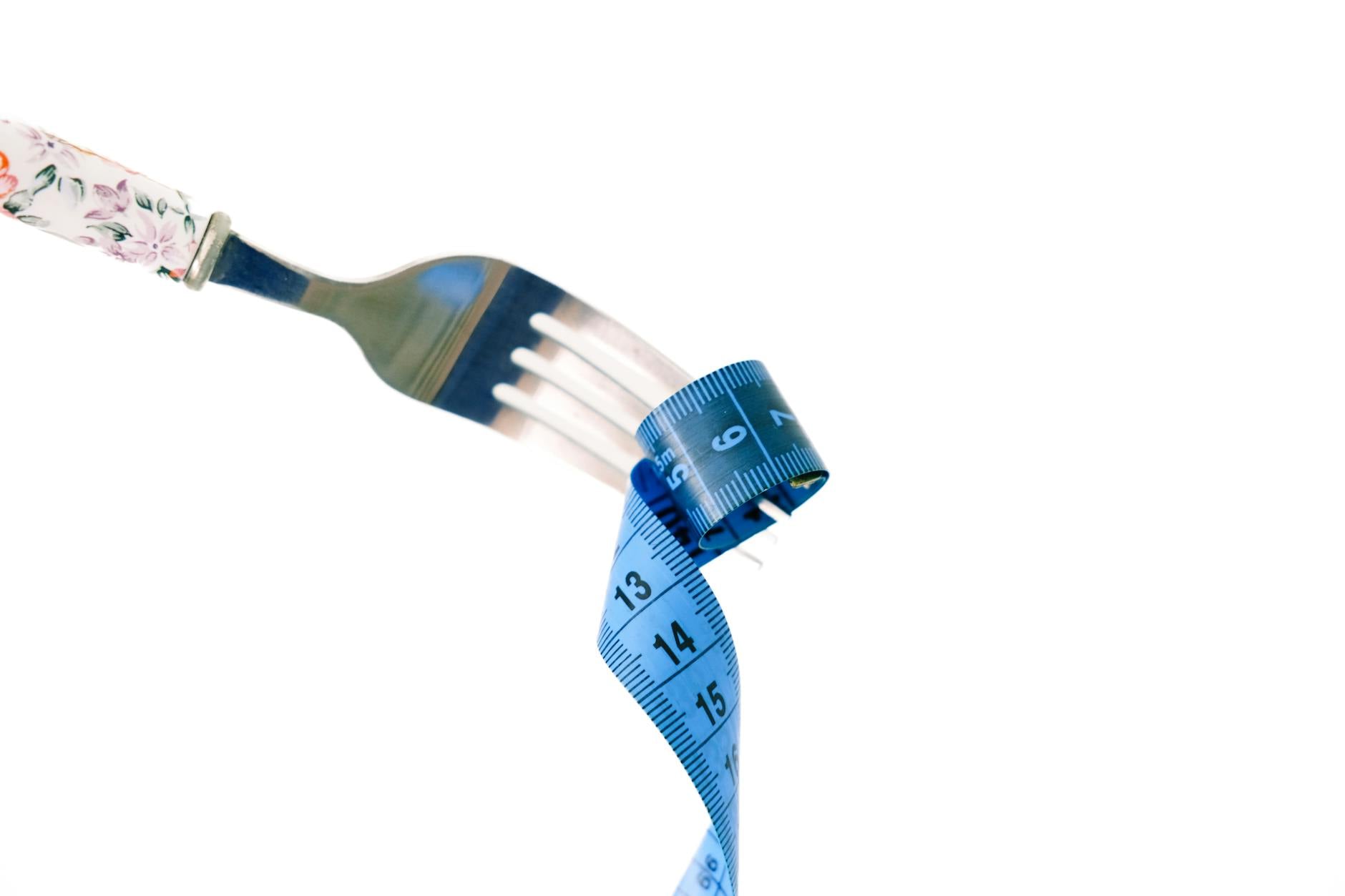
Counting calories works. Nobody serious about nutrition disputes that. But here's the thing nobody talks about: most people hate doing it. And things you hate doing tend not to last very long.
Calorie counting requires a food scale, a tracking app, and the willingness to weigh your chicken breast at a restaurant while your friends pretend not to notice. It's effective for the three weeks you actually do it, and then it goes the way of every other unsustainable habit.
Portion control is the middle path. It gives you structure without obsession, awareness without spreadsheets. It's how most naturally lean people eat without even thinking about it. And the research supports it: a study in the Journal of the Academy of Nutrition and Dietetics found that portion control interventions produced comparable weight loss to calorie-counting approaches, with significantly better long-term adherence.
Here's how to actually do it.
Why portions have gotten out of control
Before we fix the problem, let's understand how we got here. Because this isn't your fault.
American portion sizes have roughly doubled over the past 40 years. A standard bagel in 1980 was 3 inches in diameter and 140 calories. Today, the average bagel is 6 inches and 350 calories. A serving of soda went from 6.5 ounces to 20 ounces. Restaurant plates literally got bigger, from 9 inches to 12 inches on average.
This matters because of something behavioral scientists call the "unit bias": humans tend to eat in units. One plate. One bowl. One container. When those units get bigger, we eat more without realizing it. A landmark study by Brian Wansink at Cornell found that people given larger bowls served themselves 31% more ice cream than those given smaller bowls. They didn't feel fuller afterward. They just ate more.
So you're not overeating because you're greedy or undisciplined. You're overeating because the environment is engineered to make you overeat. Portion control is about re-engineering that environment in your favor.
The hand method: your built-in portion guide
Forget measuring cups and food scales. Your hands are proportional to your body, which makes them surprisingly good portion-measurement tools. This method comes from Precision Nutrition, and it's been validated in multiple studies as a practical alternative to calorie counting.
Here's how it works:
- A palm-sized portion of protein (about 4 ounces of meat, fish, or tofu) at each meal
- A fist-sized portion of vegetables (about one cup) at each meal
- A cupped-hand portion of carbohydrates (about one-half cup of rice, pasta, or fruit) at each meal
- A thumb-sized portion of fats (about one tablespoon of oil, butter, or nut butter) at each meal
For most women, one of each per meal is a reasonable starting point. For most men, two of each per meal works. Adjust based on hunger, activity level, and whether you're losing weight at the pace you want.
Is this precise? No. Does it need to be? Also no. The goal is to get you within the right range without turning every meal into a math problem. If you're consistently eating a palm of protein, a fist of vegetables, a cupped hand of carbs, and a thumb of fat at each meal, you're almost certainly eating a reasonable amount of food.
Use smaller plates (it actually works)
This is one of those tips that sounds too simple to matter, but the research behind it is surprisingly robust.
The Delboeuf illusion is a well-documented optical phenomenon: identical portions look larger on smaller plates and smaller on larger plates. Your brain uses the plate as a reference frame. A 500-calorie meal on a 12-inch plate looks small and sad. The same meal on a 9-inch plate looks full and satisfying.
A meta-analysis published in the Journal of the Association for Consumer Research found that halving the size of a plate led to a 30% reduction in the amount of food consumed. Participants didn't report feeling hungrier or less satisfied. They simply served themselves less and ate less.
Here's the practical version: use your regular dinner plates for salads and vegetables. Use smaller plates (salad plates, roughly 8-9 inches) for your main meals. Use bowls instead of plates for dishes like pasta, stir-fry, or curry, because bowls naturally hold less than a wide plate.
This takes zero willpower. You don't have to resist eating more. You just naturally serve yourself less.
The protein-first strategy
Here's a portion control hack that's less about restriction and more about sequencing: eat your protein first.
Protein is the most satiating macronutrient. It triggers the release of hormones like PYY and GLP-1 that tell your brain you're getting full. By eating your protein before your carbs and fats, you front-load the most filling part of your meal. By the time you get to the bread basket or the rice, you're already partially satisfied and naturally inclined to eat less.
A study published in Diabetes Care found that eating protein and vegetables before carbohydrates led to lower blood sugar spikes and reduced overall food intake compared to eating the same foods in the opposite order. Same food, same meal, different results just from the sequence.
This works especially well at restaurants, where portions tend to be largest. Start with your protein, eat your vegetables, and then see how much of the carb-heavy side you actually want. Often, you'll find you're satisfied before you finish.
The 80% rule (from the world's healthiest people)
In Okinawa, Japan, one of the world's Blue Zones where people routinely live past 100, there's a practice called "hara hachi bu." It roughly translates to "eat until you're 80% full."
This concept is simple but counterintuitive for Westerners who've been trained to "clean your plate." Eating to 80% fullness means stopping when you're satisfied but not stuffed. It means there's probably a little food left on your plate, and that's okay.
The physiological logic is sound. As mentioned earlier, there's a lag between your stomach being full and your brain registering fullness. By stopping at 80%, you account for that lag. Twenty minutes later, you feel perfectly full without feeling uncomfortable.
Practically, this means eating more slowly (which gives your brain time to catch up), putting your fork down when you notice you're no longer hungry rather than waiting until you're completely full, and being willing to save leftovers rather than finishing everything in front of you.
It also means learning to sit with slight "not-fullness" for a few minutes after a meal. This is the hardest part for most people, because we've associated the end of a meal with the feeling of being stuffed. That association was trained. It can be untrained.
Pre-plate everything
This one is deceptively powerful: never eat from the original container.
When you eat chips from the bag, crackers from the box, or ice cream from the pint, you have no visual reference for how much you're consuming. Your brain can't estimate volume from a deep opaque container. So you eat until something external stops you, usually the bottom of the bag.
Instead, put a portion on a plate or in a bowl. Close the bag. Put it away. Then sit down and eat what you've plated. This gives your brain visual information about how much food you're having and creates a natural stopping point that doesn't require willpower.
Research from the International Journal of Obesity found that people who pre-portioned their snacks consumed 25% fewer calories than those who ate from full-sized packages. Same snack, same setting. Just a different container.
This applies to meals too. Plate your food at the stove and sit down, rather than putting serving dishes on the table. When the food is right in front of you, second helpings happen automatically. When it requires getting up and walking to the kitchen, you have a moment to ask yourself if you're actually still hungry.
Build a better plate
If you're going to remember one thing from this article, make it this: the composition of your plate matters as much as the size.
Here's a simple template that works for almost everyone:
- Half your plate: vegetables or salad
- Quarter of your plate: protein (meat, fish, tofu, eggs, legumes)
- Quarter of your plate: starchy carbs (rice, potato, pasta, bread)
- A small amount of healthy fat (olive oil, avocado, nuts)
This template is essentially what the Harvard Healthy Eating Plate recommends, and it naturally manages portions without any counting. When half your plate is vegetables, which are high in volume but low in calories, you end up eating a reasonable amount of total calories even if you eat until you're full.
The trick is to fill the vegetable section first. Most people build their plate around the protein and starch, then squeeze in a few token vegetables. Flip that. Start with a big pile of vegetables, add your protein, then fill in the remaining space with starch. Same plate, radically different calorie profile.
Restaurant survival strategies
Restaurants are where portion control goes to die. The average restaurant meal contains 1,200 calories, roughly half of what most people need in an entire day. And the portions keep growing because bigger portions justify higher prices, and customers have been trained to equate value with volume.
Some strategies that work:
- Split an entree with someone, or ask for a half portion (many restaurants will accommodate this even if it's not on the menu)
- Ask for a to-go box when your food arrives and immediately box up half before you start eating
- Order an appetizer as your entree, which are often closer to reasonable portion sizes
- Skip the bread basket entirely; it's there to fill you up on cheap carbs while you wait
- Eat slowly and check in with your hunger at the halfway point; if you're satisfied, stop
You don't need to be weird about it. You don't need to announce to the table that you're watching your portions. Just make quiet choices that put the odds in your favor.
How BodyBuddy helps you master portion control
Portion control is a skill, and like any skill, it improves with feedback and practice. BodyBuddy gives you both, right in your iMessage.
Instead of making you log every gram of food, BodyBuddy uses photo-based meal tracking. Snap a picture of your plate and send it over. Your AI coach can see the general proportions and give you feedback: "Looks like a great protein portion. Maybe add some more vegetables next time?" It's the kind of gentle, practical advice that actually changes behavior.
How BodyBuddy supports portion control:
- Photo-based meal check-ins that give you visual feedback on your plate composition
- Daily conversations about what and how much you're eating, without calorie counting
- Personalized coaching that helps you find the right portion sizes for your body and goals
- Pattern recognition that spots when portion creep is happening before it derails your progress
- Accountability that keeps you mindful of portions without making it feel like a chore
The daily rhythm of checking in creates a natural pause that makes you think about your portions before you eat, not after. And that pause makes all the difference.
FAQ
Can you lose weight with portion control alone?
Yes, and many people do. Portion control is really just another way of creating a calorie deficit without actually counting calories. If you reduce your portion sizes by 20-25%, you'll reduce your calorie intake by roughly the same percentage. For most people, that's enough to produce steady weight loss of 0.5-1 pound per week. You don't need to change what you eat. You just need to eat appropriate amounts of it.
How do I know if my portions are too big?
A few signs: you regularly feel stuffed (not just satisfied) after meals, you always clean your plate regardless of how much food is on it, you often feel sluggish or need a nap after eating, and your weight is gradually increasing even though you feel like you're "eating healthy." The hand-size method is a good calibration tool. If your portions are consistently larger than the hand-based guidelines, they're probably too big.
Won't I be hungry if I eat smaller portions?
Initially, maybe. But your stomach is a muscle that stretches to accommodate what you give it. If you've been eating large portions for years, your stomach has stretched accordingly. When you reduce portions, it takes a week or two for your stomach to adjust and for your hunger signals to recalibrate. During that adjustment period, eating slowly, drinking water with meals, and front-loading protein and fiber can help bridge the gap. After two weeks, most people report feeling completely satisfied with smaller portions.
Is portion control better than calorie counting?
Neither is inherently better. Calorie counting is more precise but harder to sustain. Portion control is less precise but much easier to maintain as a lifelong habit. For most people who aren't competitive athletes or bodybuilders, the precision of calorie counting is unnecessary. Portion control gets you close enough to produce results while being sustainable enough to actually stick with. The best method is the one you'll actually do consistently.
How do I handle portion sizes at social events?
Social events are tricky because you're often eating buffet-style with no portion reference points. A few tactics: use the smallest plate available, survey all the options before putting anything on your plate, fill half the plate with vegetables and salad, take modest portions of everything you want (you can always go back), and eat slowly so you can enjoy the conversation as much as the food. The goal isn't to restrict yourself at a party. It's to eat with intention rather than on autopilot.
Eat less without thinking about it
The whole point of portion control is that it doesn't require constant mental effort. You change your plates, build your meals with a simple template, eat your protein first, and stop at 80% full. These aren't heroic acts of discipline. They're small environmental and behavioral tweaks that compound into meaningful calorie reduction over time.
You don't need to count a single calorie. You don't need a food scale. You need a smaller plate, a bigger vegetable section, and the habit of checking in with your hunger before reaching for seconds.
Start with one change this week. Use a smaller plate for dinner. Or pre-plate your snacks instead of eating from the bag. See what happens. Small changes, repeated daily, produce results that crash diets can only dream of.
Want daily coaching to build better portion habits? BodyBuddy checks in with you every day via iMessage, helping you eat the right amount without the stress of tracking every bite. Try it free.
Want daily accountability?
BodyBuddy texts you every day.
Build a healthier relationship with food and movement, one text at a time.