
Fitness|May 6, 2026|Francis
Is walking enough to lose weight? What the research actually says
Is walking enough to lose weight? What the research actually says
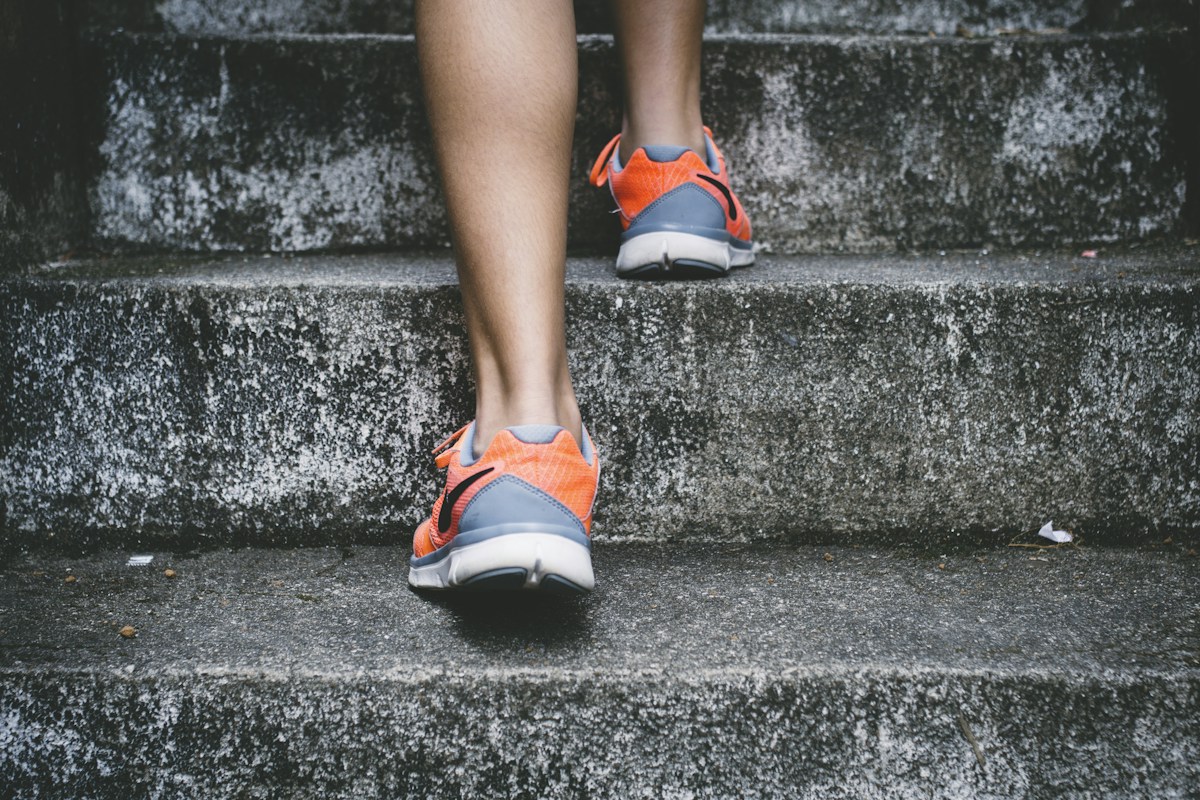
You don't need to run marathons or crush HIIT classes to lose weight. Here's what the science says about walking for weight loss, and how to make it work.
What the science actually shows
A meta-analysis of nine controlled studies found that people who added 2,000 to 4,000 daily steps to their routine lost an average of 2.8 pounds over 16 weeks without changing anything about their diet. That might sound modest, but consider that these participants weren't restricting calories or following meal plans. They just walked more.
When you combine walking with some attention to what you eat, the results get substantially better. Research from long-term weight loss registries shows that people who maintained losses of 10 percent or more of their body weight averaged around 10,000 steps per day, with at least 3,500 of those at a moderate-to-vigorous pace.
The calorie math is straightforward. A 150-pound person burns roughly 30 to 40 calories per 1,000 steps. Hit 10,000 steps and that's 300 to 400 extra calories burned — comparable to a 3-mile jog but without the joint stress, the expensive shoes, or the motivation crisis that comes with trying to maintain a running habit you hate.
The intensity question matters more than the step count
Not all steps are equal, and this is where most walking-for-weight-loss advice falls short.
A leisurely stroll through the grocery store and a brisk 30-minute walk through your neighborhood burn very different amounts of energy. Research consistently shows that moderate-to-vigorous walking — the kind where you're slightly breathless and can talk but can't sing — has a significantly greater impact on fat loss than casual walking at the same step count.
The practical takeaway: don't obsess over hitting a specific step number. Instead, aim for at least one dedicated walk per day where you're moving with purpose. Twenty to thirty minutes of brisk walking does more for your metabolism than 10,000 meandering steps accumulated while shuffling between meetings.
This doesn't mean casual steps are worthless. They absolutely contribute to your total daily energy expenditure, and NEAT (non-exercise activity thermogenesis) is a bigger factor in daily calorie burn than most people realize. But if weight loss is the specific goal, some of those steps need to have tempo behind them.
Why walking works when other exercise fails
Here's what rarely gets discussed: the best exercise for weight loss is the one you'll actually do consistently. And for most people, that's not CrossFit. It's not 5am boot camp classes.
Walking has the highest adherence rate of any exercise modality studied. The dropout rate for walking programs is dramatically lower than for gym-based or high-intensity programs. It doesn't hurt, it doesn't require scheduling, it doesn't cost money, and it doesn't leave you too sore to function the next day.
There's also a psychological component that matters. High-intensity exercise tends to increase appetite and can trigger compensatory eating, where you unconsciously eat more because you feel like you earned it. Walking doesn't create this same effect. The effort feels modest enough that it doesn't trigger the reward-seeking response.
This compensation effect is a major reason why many people who start intense exercise programs don't lose weight. They burn 400 calories in a spin class, then eat 500 extra calories because they're starving afterward and feel justified. Walking sidesteps this entire problem.
The real answer: walking alone produces modest results
Let's be direct about what walking can and can't do by itself.
Walking without any dietary awareness typically produces weight loss of about 2 to 3 percent of body weight over six months. For a 180-pound person, that's roughly 4 to 5 pounds. Real, but probably not what you were hoping for.
Walking combined with attention to eating patterns — not extreme dieting, just awareness and moderate adjustments — produces weight loss of 8 to 12 percent of body weight over the same period. For that same 180-pound person, that's 14 to 22 pounds. Much more meaningful.
The distinction matters because it sets realistic expectations. If you add daily walks but change nothing about your eating, you'll likely feel better, sleep better, have more energy, and lose a small amount of weight. But if the goal is significant fat loss, walking needs to be paired with some form of nutritional awareness.
This doesn't mean counting every calorie or weighing your chicken breast. It means noticing what you're eating, recognizing patterns, and making gradual adjustments. The combination of daily movement and daily awareness is far more powerful than either one alone.
How to build a walking habit that sticks
The biggest mistake people make with walking for weight loss is treating it like a workout program. They download a 12-week walking plan, buy new shoes, map out routes, and try to go from 3,000 steps to 12,000 overnight. Two weeks later they're back on the couch.
A better approach:
Start with what's easy. If you currently average 4,000 steps, aim for 5,500. Not 10,000. Just 1,500 more than you're doing now. Build from there over weeks, not days.
Attach walking to something you already do. Walk after dinner. Walk during your lunch break. Walk while you're on a phone call. Habits stick when they're anchored to existing routines.
Make one walk per day intentional. Even if it's only 15 minutes, put on shoes, pick a direction, and walk with purpose. This is your "exercise" walk. Everything else is bonus.
Walk outside when possible. Treadmills and walking pads work fine for step counts, but outdoor walking provides additional benefits — vitamin D exposure, varied terrain that engages more muscles, and a genuine mood boost from being in natural light.
How BodyBuddy helps you stay consistent with walking
The hardest part of any walking program isn't the walking itself. It's doing it consistently, day after day, when the initial enthusiasm wears off and life gets busy.
This is exactly what BodyBuddy is designed for. The daily check-in creates a simple accountability loop — you report what you did, and your AI coach responds with honest, personalized feedback. Skipped your walk today? Your coach notices and helps you identify why, without judgment. Hit a new step record? That gets acknowledged too.
BodyBuddy's photo-based meal tracking also addresses the other half of the equation. Since walking produces the best weight loss results when paired with nutritional awareness, logging your meals with a quick photo helps you notice eating patterns without the tedium of calorie counting.
The combination of daily movement accountability and effortless meal awareness is what turns "I should walk more" into an actual, sustained habit.
How many steps per day do I need to lose weight?
Research suggests 7,000 to 10,000 steps per day is an effective range, but the quality matters as much as the quantity. Aim for at least 3,000 to 3,500 of those steps at a brisk, purposeful pace rather than accumulating all of them through casual movement.
Can I lose belly fat by walking?
You can't spot-reduce fat from any specific area, including your belly. But walking does contribute to overall fat loss, and visceral belly fat is often among the first to go when you increase daily activity and improve eating habits.
Is walking better than running for weight loss?
Running burns more calories per minute, but walking is more sustainable for most people. Over the course of a year, someone who walks every day will likely burn more total calories than someone who runs three times a week and quits by month three.
Do I need to walk 10,000 steps every day?
No. The 10,000-step target originated from a 1960s Japanese marketing campaign for a pedometer, not from scientific research. Recent studies suggest that health benefits begin increasing at around 4,000 steps per day, with diminishing returns above 8,000 to 10,000.
Should I walk before or after eating?
A short walk after meals — even just 10 to 15 minutes — has been shown to improve blood sugar regulation. Post-meal walking is one of the simplest, most underused health habits available. That said, a longer brisk walk is often more comfortable on a lightly-fed stomach. The best time to walk is whenever you'll actually do it.
The bottom line
Walking is enough to lose weight, but probably not as much weight as you want unless you pair it with some nutritional awareness. Walk daily with purpose, pay attention to what you eat, and stay consistent. That combination outperforms complicated training programs and restrictive diets for the vast majority of people.
The real advantage of walking isn't the calorie burn — it's that it's the one form of exercise most people can do every single day, forever, without burning out. And consistency over time beats intensity in bursts, every time.
Start your 7-day free trial at BodyBuddy and get daily accountability for both your walking habit and your eating patterns. No calorie counting. No complicated programs. Just a coach in your pocket that keeps you moving forward.
Want daily accountability?
BodyBuddy texts you every day.
Build a healthier relationship with food and movement, one text at a time.