Healthy Eating|April 26, 2026|Francis
How to stop snacking when you work from home (without white-knuckling it)
How to stop snacking when you work from home (without white-knuckling it)
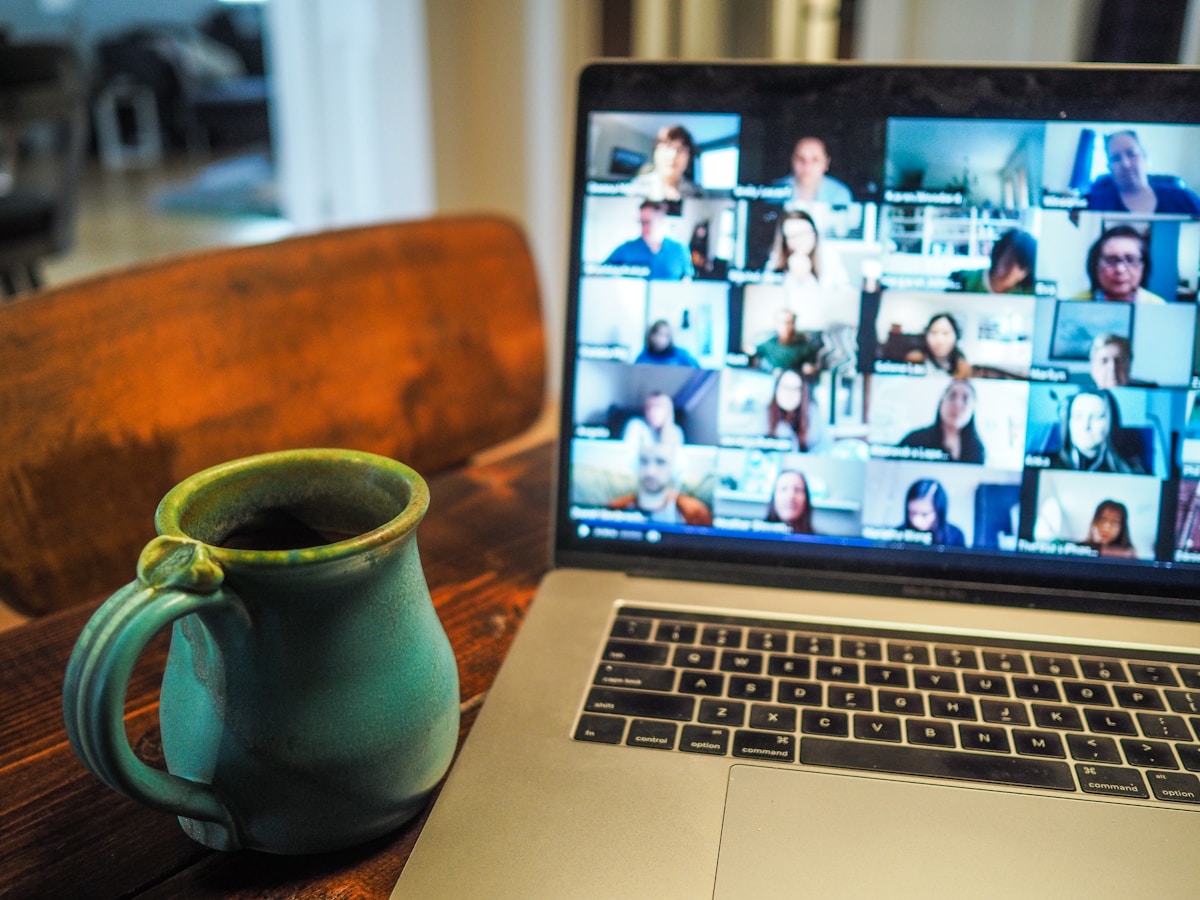
Here's the thing about working from home: the fridge is maybe 15 feet from your desk. You don't even have to stand up all the way. You can sort of half-shuffle into the kitchen, grab a handful of something, and be back in your chair before your Slack status changes to "away." I've done this so many times that I wore a path in the carpet between my office and the pantry.
If you're trying to figure out how to stop snacking working from home, I want to save you some time. This isn't a discipline problem. You don't need more willpower. You have a structural problem, and structural problems need structural solutions.
Why working from home makes you eat more
Let's be honest about what's actually happening here.
You live where the food is. This sounds obvious, but it matters more than you think. Researchers at Cornell found that people who kept cereal on their kitchen counter weighed about 20 pounds more than those who didn't. It's called the "see food" diet, and it's not a joke. When food is visible and convenient, you eat more of it. Period.
Nobody is watching you. In an office, there's a subtle social pressure that keeps your eating somewhat structured. You eat lunch when other people eat lunch. You don't walk to the vending machine six times before noon because Karen from accounting would notice. At home, there's no Karen. There's just you and an entire kitchen full of food with zero witnesses.
Boredom is your worst enemy. We all pretend we snack because we're hungry. Most of the time, we snack because we're bored, stuck on a problem, or avoiding a task we don't want to do. That spreadsheet isn't going to finish itself, but opening a bag of chips feels like progress somehow.
Your boundaries are gone. In an office, there's a clear lunch break. There's a morning and an afternoon. At home, the whole day blurs together into one long stretch where work, meals, and snacking all happen in the same physical space. A 2020 study published in the American Journal of Clinical Nutrition found that eating while distracted (say, during a Zoom call or while answering emails) increases calorie intake by roughly 15%. When your desk is your dining table, distraction is the default.
- Proximity to food removes the friction that normally limits snacking
- No coworkers means no social accountability around eating
- Boredom and procrastination drive most WFH snacking, not hunger
- Without clear meal times, the whole day becomes one long grazing session
Work from home snacking isn't a character flaw. It's a predictable outcome of your environment.
The willpower approach doesn't work (here's what does)
I spent about six months trying to just... not snack. I told myself I was stronger than a bag of trail mix. I was wrong. The trail mix won every single time, usually around 2:30pm.
Willpower is a finite resource. Roy Baumeister's research on ego depletion has been debated, but the practical reality holds up: the more decisions you make in a day, the worse your self-control gets. By mid-afternoon, after eight hours of work decisions, your ability to resist the leftover pizza in the fridge is basically zero.
So stop fighting it. Instead, change the environment so the fight doesn't happen in the first place.
This is called environmental design, and it works way better than gritting your teeth. Brian Wansink's food proximity research showed that office workers who kept candy on their desk ate about 48% more than those who put it six feet away in a drawer. Fifty percent less snacking just from moving a bowl. No discipline required.
Here's what this looks like in practice:
- Move snacks behind closed doors. If chips are in a closed pantry instead of on the counter, you eat significantly less of them. Out of sight genuinely means out of mind.
- Create physical distance between your workspace and the kitchen. If you can, set up your desk in a room that requires you to actually walk to get food. Even 30 extra seconds of friction makes a difference.
- Keep your workspace stocked with non-food rewards. A good cup of coffee, sparkling water, gum. Give yourself something to reach for that isn't calories.
- Make healthy options the easy option. Put fruit on the counter. Put the cookies in the back of the highest cabinet.
You're not trying to become a monk. You're trying to make the default choice a better one.
7 strategies that actually reduce WFH snacking
These aren't theoretical. These are things that actually worked for me and for the people I've talked to about WFH eating habits.
1. Set specific eating windows. I'm not talking about intermittent fasting or anything rigid. Just decide: breakfast at 8, lunch at 12:30, afternoon snack at 3, dinner at 7. When you have a plan, you're less likely to wander into the kitchen at random. Structure replaces willpower.
2. Front-load protein at breakfast. A breakfast with 25-30 grams of protein keeps you full dramatically longer than a bowl of cereal. Eggs, Greek yogurt, a protein shake. Whatever works. I switched from toast to eggs and my 10am snacking basically disappeared.
3. Keep a water bottle at your desk. You've heard this before because it works. A lot of what feels like hunger is actually thirst or just the desire to put something in your mouth. A 32oz water bottle sitting next to your keyboard solves both problems.
4. Take a real lunch break away from your screen. Eat at a table. Sit down. Look at your food. Meals eaten with attention are more satisfying, and you actually register that you ate. When you inhale a sandwich while reading Slack, your brain barely notices it happened.
5. Plan your snacks the night before. This one sounds annoying, but it takes about 90 seconds. Just decide what you'll snack on tomorrow and put it in a container. When 3pm hits and your brain says "snack time," you already have an answer. No decision-making required.
6. Use the 10-minute rule. When you want a snack, set a timer for 10 minutes. If you still want it after the timer goes off, eat it. No guilt. About half the time, I forget I even set the timer. The craving was just a passing thought, not actual hunger.
7. Track what triggers your snacking. Keep a simple note on your phone. When you snack, write down what time it was, what you were doing, and how you were feeling. After a week, the patterns are painfully obvious. Mine was: bored + stuck on a hard problem = chips. Every time.
The difference between hunger and habit
Here's a question worth asking yourself the next time you open the fridge at 2pm: am I actually hungry right now?
Most of us are terrible at answering this honestly. We've spent years eating on schedule, eating socially, eating emotionally, and eating out of boredom. Actual physical hunger, the kind where your stomach is empty and your energy is dropping, accounts for maybe half of our daily eating. Maybe less.
There's a simple test I like. It's sometimes called the "apple test." Ask yourself: would I eat an apple right now? If the answer is yes, you're probably genuinely hungry. Eat something. If the answer is "no, I want chips specifically," that's not hunger talking. That's a craving, a habit, or an emotion wearing a hunger costume.
This doesn't mean you should never eat chips. Eat the chips sometimes. The goal isn't to eliminate snacking. It's to snack intentionally instead of automatically. There's a big difference between choosing to have an afternoon snack and finding yourself elbow-deep in a bag of pretzels with no memory of how you got there.
- Real hunger builds gradually and can be satisfied by a variety of foods
- Cravings hit suddenly and demand something specific
- Emotional eating usually comes with a feeling you can identify if you pause long enough
- Habitual eating happens at the same time every day regardless of actual hunger
Once you start noticing the difference, you can't un-notice it. That awareness alone changes your behavior.
How BodyBuddy helps
I've been talking a lot about tracking patterns and building awareness. That's exactly what BodyBuddy is built for.
BodyBuddy is a fully AI-powered daily accountability coach. There's no human on the other end scheduling calls with you. It's an AI that checks in with you every day, learns your habits, and gives you honest feedback based on what you're actually doing, not what you say you're doing.
One of the features that makes the biggest difference for WFH snacking is photo-based food tracking. You snap a photo of what you eat, and the AI logs it. This catches the mindless stuff. That handful of almonds you grabbed between meetings? It counts. The three cookies you ate while waiting for code to compile? Those too. You can't ignore what you can see.
The daily check-ins are where things get interesting. Over time, BodyBuddy's AI starts spotting patterns you'd never catch on your own. Things like: "You snack more on days you skip lunch" or "Your afternoon eating goes up on days you have more than three meetings." Those kinds of connections are really hard to see when you're living them day to day.
The whole thing runs through iMessage, which means it fits into your WFH routine without adding another app to your screen. You just text back and forth with it like you would a friend who happens to have perfect memory and zero judgment.
If you're serious about fixing your work from home snacking habits, give BodyBuddy a try. It's the accountability partner that actually shows up every day.
FAQ
Is it bad to snack while working from home?
No. Snacking itself isn't the problem. The problem is unconscious, automatic snacking that adds hundreds of calories you didn't intend to eat and don't even enjoy. Planned snacks with real nutritional value (fruit, nuts, yogurt, vegetables) are perfectly fine and can actually help you maintain energy throughout the day. The question isn't whether you snack. It's whether you're choosing to snack or just doing it on autopilot.
Why do I eat so much more when I work from home?
Three main reasons. First, food is always within arm's reach, and proximity is the single strongest predictor of how much you eat. Second, there's no social structure around meals, so you graze all day instead of eating at set times. Third, the boredom and stress of working alone drives a lot of emotional eating that you might not even recognize as emotional eating. It feels like hunger, but it's really your brain looking for a dopamine hit.
How do I stop stress eating when working from home?
Start by recognizing when it's happening. Stress eating usually comes with physical tension (tight shoulders, clenched jaw) and a craving for something specific and comforting, not just any food. When you notice it, try a non-food stress reliever first: a five-minute walk, ten deep breaths, or even just standing up and stretching. If you still want to eat after that, go ahead. But give yourself the option to respond to stress with something other than food. Over time, you'll build new default responses.
What are good snacks for working from home?
The best WFH snacks combine protein or healthy fat with fiber, because that combination keeps you full the longest. Some specific options: Greek yogurt with berries, apple slices with peanut butter, a small handful of mixed nuts, hummus with carrots or bell peppers, string cheese with whole grain crackers, or a hard-boiled egg. Pre-portion them so you're not eating directly from a large container. The container is never your friend.
How long does it take to break a snacking habit?
The "21 days to form a habit" thing is mostly a myth. Research from University College London found that it takes an average of 66 days for a new behavior to become automatic, with a huge range from 18 to 254 days depending on the person and the behavior. The good news is that you don't need to fully break the habit to see results. Even reducing mindless snacking by half makes a meaningful difference in how you feel and how your clothes fit. Focus on progress, not perfection.
Conclusion
If you take one thing from this article, make it this: fix your environment first, then build awareness second. Move the snacks out of sight, put distance between your desk and the kitchen, and give yourself structure around meals. Those changes alone will do more than any amount of willpower ever could.
Then start paying attention. Notice when you eat, why you eat, and how you feel before and after. That awareness is what turns automatic snacking into intentional choices.
If you want help with that second part, BodyBuddy makes it easy. Daily AI check-ins, photo-based tracking, and pattern recognition that shows you exactly where your WFH eating habits are going sideways. No judgment, no human coach you have to schedule around, just consistent accountability that fits into your day.
Your fridge isn't going anywhere. But your relationship with it can change.
Want daily accountability?
BodyBuddy texts you every day.
Build a healthier relationship with food and movement — one text at a time.
Join 500+ usersstaying healthy