
All posts
How to eat out and still lose weight (yes, it's actually possible)
A practical BodyBuddy guide to how to eat out and still lose weight (yes, it's actually possible), with useful considerations and next steps.
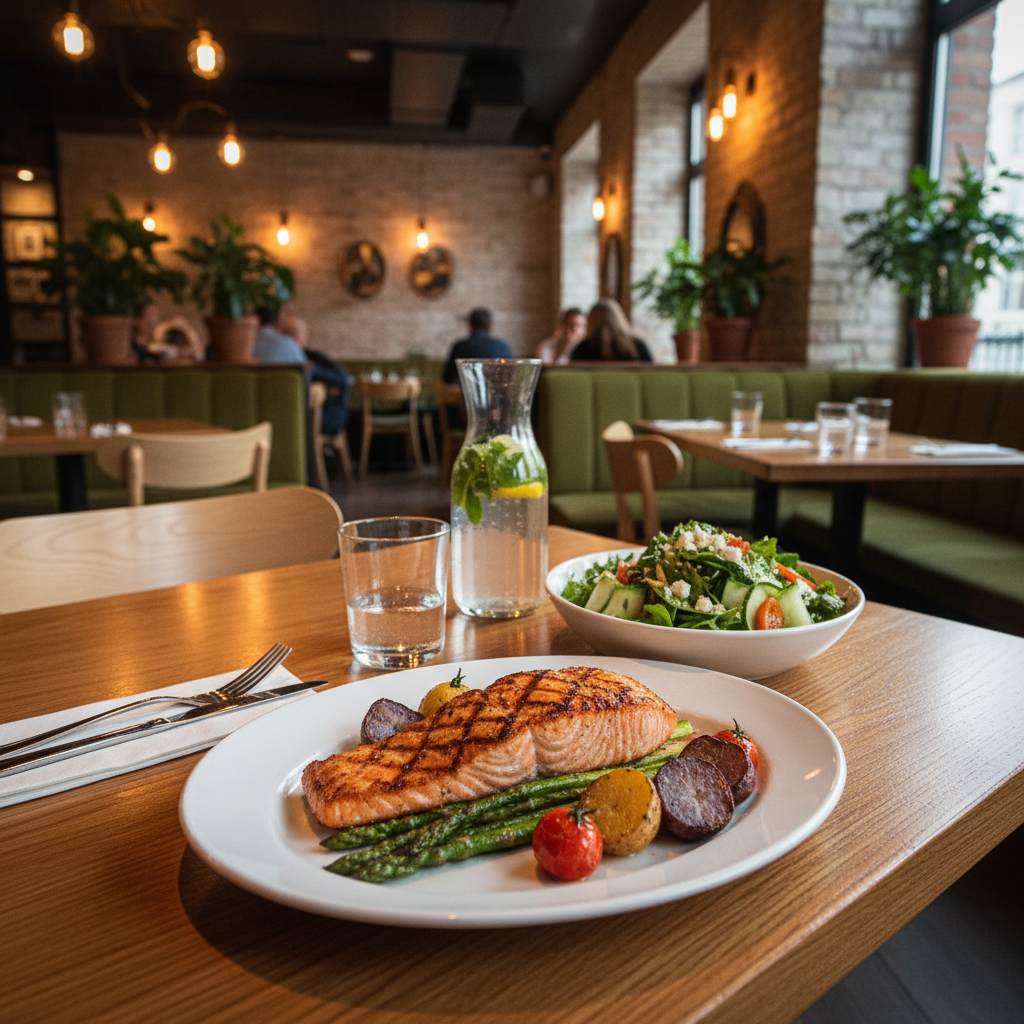
You don't have to choose between a social life and your weight loss goals. That's the lie diet culture keeps selling -- that restaurants are minefields and the only safe meal is the one you prepped on Sunday in a sad little container.
Here's the truth: people who successfully lose weight and keep it off eat at restaurants. They go to birthday dinners. They order off menus they didn't design. The difference isn't avoidance. It's strategy.
This guide breaks down exactly how to eat out without derailing your progress -- no calculator apps at the table, no interrogating your server about cooking oils, and no ordering a plain salad while everyone else enjoys their meal.
The real reason restaurant meals throw people off
It's not just the calories. Restaurant portions in the U.S. are roughly 2-3 times larger than a standard serving. A typical pasta dish at a chain restaurant clocks in around 1,000-1,500 calories. A burger with fries? Easily 1,200+.
But the bigger issue is something most people don't talk about: the environment itself changes how you eat.
Research from Cornell University's Food and Brand Lab found that ambient lighting, music tempo, and even plate size at restaurants all influence how much food you consume. You're not just fighting bigger portions. You're fighting an entire atmosphere designed to make you eat more and linger longer.
Add alcohol, bread baskets, and social pressure ("Come on, we're splitting dessert!"), and it's no wonder a single restaurant meal can undo three days of careful eating.
That said, understanding this dynamic is half the battle. Once you know what's working against you, you can plan around it.

How to order smarter (without being weird about it)
You don't need to become that person who makes fifteen substitutions and asks for everything on the side. But a few low-key adjustments go a long way.
Scan the menu before you go. Most restaurants post their menus online. Spend two minutes picking your meal ahead of time when you're not hungry, not surrounded by friends ordering nachos, and not influenced by descriptions like "smothered in our signature sauce." Deciding in advance is the single most effective strategy, according to behavioral research on pre-commitment.
Lead with protein and vegetables. Look for grilled, baked, or roasted proteins. Get a vegetable side instead of fries. This isn't about restriction -- it's about building a plate that actually fills you up. Protein and fiber take longer to digest, so you'll feel satisfied without eating 2,000 calories.
Watch the liquid calories. Two margaritas can add 600-800 calories to your meal before you've touched the food. If you want a drink, stick to wine, a light beer, or spirits with soda water. Or just drink water. Nobody actually cares what's in your glass.
Ask for a box when your food arrives. Portion the meal before you start eating. Put half away. It feels weird the first time. By the third time, it's automatic. You get two meals for the price of one, and you stay on track.
What to do at different types of restaurants
Not all restaurants are created equal. Here's how to navigate the most common ones:
Italian: Skip the bread basket (or let yourself have one piece). Order grilled chicken or fish with a side of vegetables. If you want pasta, go for a tomato-based sauce over cream-based, and ask for a half portion if they offer it.
Mexican: Avoid the chips and queso trap. Order fajitas (tons of protein and vegetables) and skip the tortillas or use just one. A taco salad without the fried shell is another solid option.
Asian/Chinese: Steamed dishes beat fried ones. Go for stir-fries with lots of vegetables, and ask for sauce on the side. Brown rice over white if available. Watch out for sweet sauces -- they're loaded with sugar.
Fast casual (Chipotle, etc.): These are actually your best friend. Build a bowl with protein, vegetables, salsa, and skip the sour cream and cheese. You can easily put together a 500-600 calorie meal that's genuinely filling.
Steakhouses: Get a lean cut (sirloin, filet) with steamed or grilled vegetables. Avoid loaded baked potatoes and creamed spinach.
The pattern is simple across all of these: protein first, vegetables second, and be selective with starches and sauces.
The mindset shift that makes all of this work
Here's where most advice articles stop. They give you the tactical tips and call it a day. But the real reason people struggle with eating out isn't that they don't know grilled chicken is healthier than fried chicken. It's that they fall into all-or-nothing thinking.
You sit down at the restaurant. You eat a roll from the bread basket. And then your brain says: "Well, I already blew it. Might as well get the fettuccine alfredo and the chocolate lava cake."
Sound familiar? Psychologists call this the "what-the-hell effect." One small slip triggers a cascade of worse decisions because you've mentally categorized the meal as a failure.
The fix isn't perfection. It's what researchers call "flexible restraint" -- maintaining general guidelines while allowing yourself room to deviate without spiraling. One roll doesn't ruin your day. One higher-calorie restaurant meal in a week of solid eating changes almost nothing on the scale.
Think of it like a budget. If you overspend by $20 at dinner, you don't burn your credit cards and buy a sports car. You adjust the next few days and move on.
How often can you eat out and still lose weight?
This depends on your overall calorie balance, but most people can eat out 2-3 times per week and still make steady progress. The key is what you do at the other 18-19 meals that week.
A 2014 study published in the Journal of the Academy of Nutrition and Dietetics found that people who ate out for lunch at least once a week lost 5 fewer pounds over a year compared to those who didn't. But -- and this matters -- the difference disappeared for people who tracked their meals and made intentional choices at restaurants.
In other words, eating out doesn't automatically mean gaining weight. Eating out without thinking about it does.
How BodyBuddy helps you stay on track when eating out
This is where having an AI coach in your pocket changes the game. BodyBuddy coaches you through iMessage, so when you're sitting at a restaurant staring at a menu, you can literally text your coach a photo of the menu and get real-time guidance on what to order.
That's not hypothetical. BodyBuddy's iMessage-based coaching means you can:
- Snap a photo of your meal and log it instantly -- no manual data entry, no searching through food databases
- Text your coach before dinner and get a quick strategy for the restaurant you're going to
- Get accountability nudges throughout the day that keep you making good choices before you even get to the restaurant
- Track everything through the companion iOS app, which shows your nutrition data, daily missions, and your "Future You" -- an AI-generated avatar that shows what you'll look like when you hit your goal
At $29.99/month, it's cheaper than one nice dinner out. And unlike apps that just track numbers, BodyBuddy actually coaches you through the hard moments -- like when the waiter asks if you want to see the dessert menu.
Frequently asked questions
Can I lose weight if I eat out every day?
Technically yes, but it's much harder. Restaurant meals tend to be higher in calories, sodium, and fat than home-cooked meals. If you must eat out daily (travel, work obligations), focus on choosing restaurants with transparent nutrition info and stick to the protein-and-vegetables formula.
Should I skip meals before eating out?
No. Arriving at a restaurant starving is one of the worst things you can do. You'll order more, eat faster, and make worse decisions. Have a small protein-rich snack (Greek yogurt, a handful of nuts) an hour before dinner. You'll show up with an appetite, not desperation.
Is it okay to get dessert?
Sometimes, yes. If you've eaten a reasonable meal and you genuinely want dessert, split it with someone. The first three bites are the best anyway -- after that, you're just eating for the sake of finishing. What you want to avoid is the autopilot dessert, where you order it because everyone else did.
How do I handle social pressure to eat more?
Practice a simple, confident response: "I'm good, thanks." You don't owe anyone an explanation about your eating choices. If someone pushes, "I ate a big lunch" works every time. Most people care far less about what you're eating than you think they do.
What's the worst thing to order at a restaurant?
Anything described as "crispy," "smothered," "loaded," or "stuffed" is usually the highest calorie option on the menu. Deep-fried appetizers (mozzarella sticks, fried calamari) combined with a heavy entree and sugary cocktails can easily push a single meal past 2,500 calories.
The bottom line
Eating out and losing weight aren't mutually exclusive. You just need a plan: scan the menu ahead of time, build your plate around protein and vegetables, watch the liquid calories, and ditch the all-or-nothing mindset that makes one bread roll feel like a catastrophe.
The people who succeed at this long-term aren't the ones who avoid restaurants forever. They're the ones who learn to navigate them without stress. And if you want a coach who's available right when you're staring at that menu, BodyBuddy is there in your iMessage -- no appointment needed, no judgment, just smart guidance when you need it most.
Related BodyBuddy guides
- How much protein do you need to lose weight (without the bro-science)
- 17 high protein snacks for weight loss that actually taste good
- Ultra-processed food and weight loss: what the science actually says
- Alcohol and weight loss: what actually happens when you drink (and how to handle it)
- Does drinking water help you lose weight? The science behind hydration and fat loss
Everyone gives you a plan.BodyBuddy texts you until it happens.
BodyBuddy keeps you on track—from meals to doctor's appointments and everything in between.