← All posts
FrancisNutrition
How much protein do you need to lose weight (without the bro-science)
A practical BodyBuddy guide to how much protein do you need to lose weight (without the bro-science), with useful considerations and next steps.
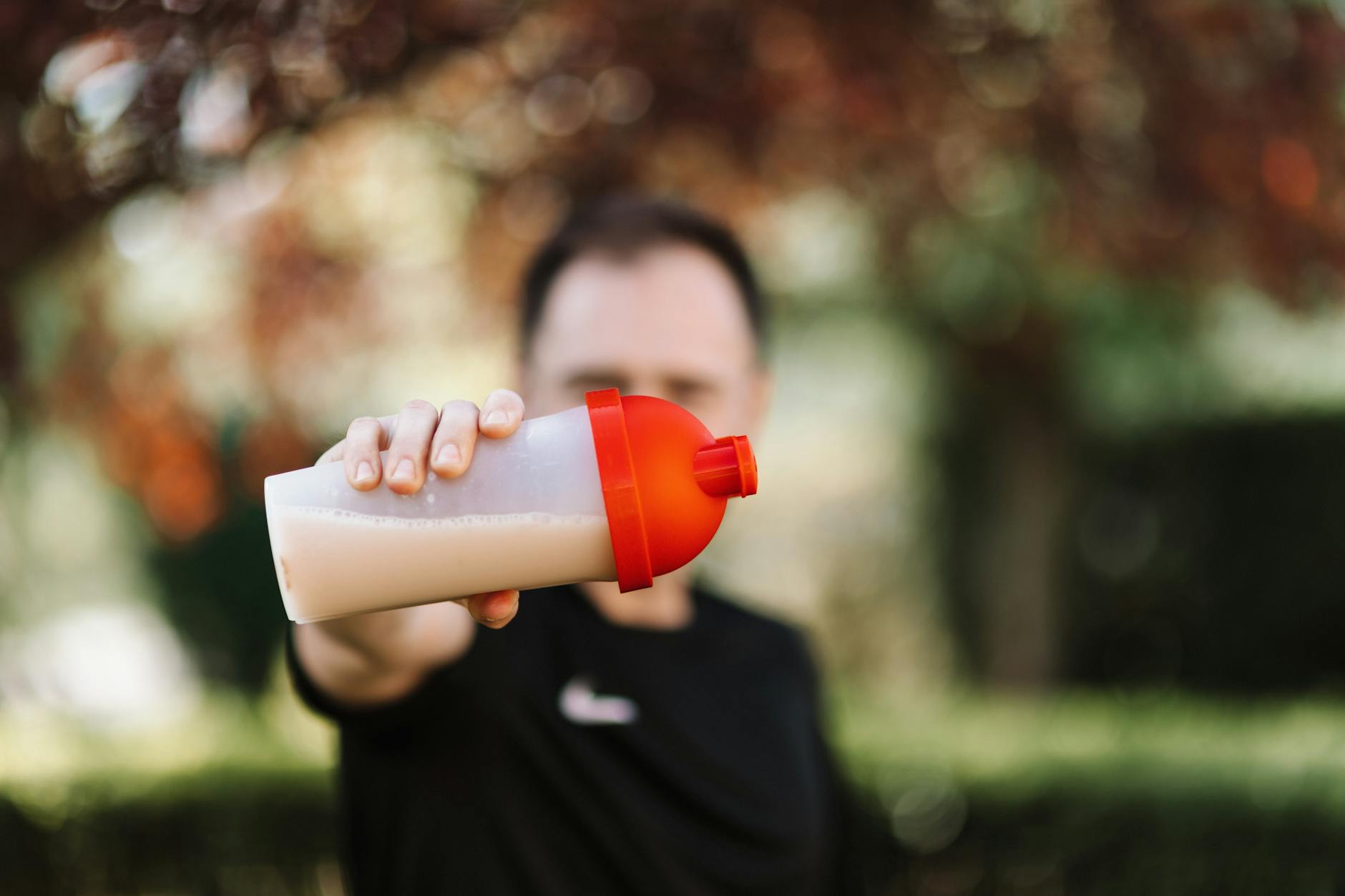
Protein has become the main character of every weight loss conversation. Scroll through any fitness forum or nutrition subreddit and you'll find people arguing about whether you need 100 grams, 150 grams, or some astronomical number that would require eating chicken breast for every meal. The protein supplement industry is worth over $25 billion, and they'd very much like you to believe you're not getting enough.
Here's the thing: protein genuinely matters for weight loss. That's not marketing. But the actual science is more nuanced and more forgiving than the fitness internet would have you think. You don't need to hit some magic number with military precision, and you definitely don't need to reorganize your entire life around protein shakes.
Let's cut through the noise and figure out what the research actually says, how much you personally need, and how to get there without turning every meal into a math problem.
Why protein matters more when you're losing weight
When you eat fewer calories than you burn, your body doesn't exclusively tap into fat stores for energy. It also breaks down muscle tissue. This is the dirty secret of dieting that nobody talks about enough. A 2008 review in the International Journal of Obesity found that roughly 25% of weight lost during caloric restriction comes from lean mass, not fat. That's a problem, because muscle is metabolically active tissue. Lose too much and your metabolism slows down, making future weight loss harder and weight regain easier.
Protein directly counteracts this. A landmark 2016 study by Thomas Longland and colleagues at McMaster University put participants on an aggressive caloric deficit and split them into higher-protein and lower-protein groups. The higher-protein group (2.4 g/kg/day) not only preserved more muscle but actually gained lean mass while losing fat. The lower-protein group lost muscle along with fat.
Beyond muscle preservation, protein has the highest thermic effect of any macronutrient. Your body uses about 20-30% of the calories from protein just to digest and process it, compared to 5-10% for carbs and 0-3% for fat. So 200 calories of chicken doesn't net out the same as 200 calories of bread. Your body burns more energy processing the protein.
Then there's satiety. Protein keeps you full longer than carbs or fat, and it does this through multiple mechanisms. It triggers the release of appetite-suppressing hormones like GLP-1 and PYY while reducing the hunger hormone ghrelin. A 2005 study in the American Journal of Clinical Nutrition found that increasing protein intake from 15% to 30% of total calories led participants to spontaneously eat 441 fewer calories per day. They weren't told to eat less. They just weren't as hungry.
The actual numbers (what the research recommends)
The official Recommended Dietary Allowance for protein is 0.8 grams per kilogram of body weight per day. This is the minimum to prevent deficiency in sedentary adults. It is not a weight loss recommendation, and using it as one is like using the speed limit in a school zone as your highway cruising speed.
For weight loss specifically, the research converges on a range of 1.2 to 2.2 grams per kilogram of body weight per day, depending on several factors. The updated 2025 Dietary Guidelines for Americans raised the general recommendation to 1.2-1.6 g/kg, which was the first significant increase in decades and a quiet acknowledgment that the old number was too low for most people.
Here's what the evidence supports for different situations. If you're moderately active and want to lose weight while preserving muscle, aim for 1.2-1.6 g/kg per day. That's the sweet spot identified by a 2018 systematic review in Advances in Nutrition. If you're doing regular strength training during your cut, push that to 1.6-2.2 g/kg. The higher end protects against muscle loss when you're both dieting and demanding a lot from your body. If you're significantly overweight, calculate based on your goal body weight or lean mass rather than current weight, because adipose tissue doesn't require the same protein support as muscle.
For a practical example: a 180-pound person aiming to lose weight while doing some resistance training should target roughly 120-145 grams of protein per day. That's meaningful, but it's not the 200-plus grams that gym culture often insists on.
The diminishing returns problem
More protein is better up to a point, and then it just doesn't matter. A 2018 meta-analysis by Morton and colleagues in the British Journal of Sports Medicine found that protein intakes above 1.6 g/kg/day provided no additional benefit for muscle growth or retention. The gains plateaued. You can absolutely eat more than that without harm, but you're not getting extra results for the extra effort.
This matters because obsessing over protein can create its own problems. When every food decision revolves around protein content, you tend to sacrifice variety. You eat the same five meals on rotation. Your fiber intake drops because you're prioritizing chicken over lentils. Your relationship with food gets more rigid and less enjoyable, which, ironically, is one of the biggest predictors of diet failure.
The research also suggests that protein distribution throughout the day matters somewhat, but not as much as total daily intake. A 2018 study in the Journal of the International Society of Sports Nutrition found that spreading protein across 3-4 meals with roughly 0.4 g/kg per meal was slightly more effective for muscle protein synthesis than loading it all into one or two meals. But "slightly more effective" is the key phrase. If you can only manage two protein-heavy meals and a lighter one, you'll still be fine.
Getting enough without making it your whole personality
The easiest way to hit your protein target is to make sure every meal has a solid protein anchor. That doesn't require supplements, meal prep services, or food scales. It means building meals around protein sources and letting everything else fill in naturally.
A palm-sized portion of meat, fish, or poultry provides roughly 25-35 grams. Two eggs give you about 12 grams. A cup of Greek yogurt has 15-20 grams. A cup of cooked lentils or black beans delivers about 18 grams. A serving of tofu or tempeh contributes 15-20 grams. If you're eating three meals with a reasonable protein source at each, you're probably in the 75-100 gram range before you even try.
From there, small additions close the gap. Cottage cheese as a snack. Edamame on the side. A handful of almonds. Protein powder in a smoothie if you want, but it's a convenience, not a necessity. A 2021 study in Nutrients found no meaningful difference in body composition outcomes between people who got their protein from whole foods versus supplements, assuming total intake was matched.
The trap to avoid is treating protein like a video game score that needs to be maximized. If you're consistently hitting 1.2-1.6 g/kg and training with some resistance work, you're covering your bases. The difference between 130 grams and 160 grams for a 180-pound person is real but marginal. Don't let the pursuit of perfection wreck the sustainability of your diet.
Common protein myths that won't die
Let's clear a few things up. High protein diets do not damage healthy kidneys. This myth originated from the observation that people with existing kidney disease need to limit protein. A 2018 meta-analysis in the Journal of Nutrition found no adverse kidney effects in healthy adults consuming up to 2.2 g/kg/day.
Protein timing around workouts matters less than you think. The "anabolic window" concept, where you supposedly need protein within 30 minutes of training, has been largely debunked. A 2013 meta-analysis by Schoenfeld, Aragon, and Krieger found that total daily protein intake was far more important than timing. Eat a protein-containing meal within a couple hours of training and you're fine.
Plant protein is not inferior to animal protein for weight loss. It's true that most plant proteins have lower concentrations of certain amino acids, but a 2019 study in the American Journal of Clinical Nutrition found that when total protein and leucine intake were equated, plant and animal proteins produced similar muscle-building outcomes. You might need slightly more volume of plant-based foods to match the protein density, but the end result is the same.
And no, eating protein won't make you bulky. Building significant muscle mass requires years of progressive resistance training, adequate calories, and favorable genetics. Protein alone does not create bulk any more than buying running shoes makes you a marathoner.
How BodyBuddy makes protein tracking effortless
Most people abandon nutrition tracking because it's tedious. Opening a food logging app, searching through databases, guessing serving sizes, manually entering everything. It works for about two weeks before it feels like a second job.
BodyBuddy eliminates the friction entirely. Snap a photo of your meal and text it to your AI coach through iMessage. That's it. BodyBuddy analyzes what you're eating, estimates macros including protein, and tracks it all without you ever opening a separate app or scrolling through food databases.
Over time, your AI coach learns your patterns. Consistently falling short on protein at breakfast? BodyBuddy will notice and suggest practical swaps. Getting plenty of protein but not enough fiber? It'll flag that too. It's not just a tracker; it's a coach that pays attention and gives you feedback that's actually personalized.
The daily check-ins keep protein intake on your radar without making it an obsession. You're not counting grams with a calculator. You're having a conversation about what you ate, and your coach handles the numbers. It's the difference between micromanaging your diet and having someone knowledgeable watch your back.
FAQ
How much protein should I eat per day to lose weight?
Most research supports 1.2-1.6 grams per kilogram of body weight per day for weight loss with muscle preservation. If you're actively strength training, you can go up to 2.2 g/kg. For a 150-pound person, that translates to roughly 80-110 grams per day. Calculate based on your goal weight if you have a significant amount to lose.
Can I eat too much protein?
For people with healthy kidneys, protein intakes up to 2.2 g/kg per day are well-established as safe. Going higher is unlikely to cause harm but provides no additional benefit for muscle preservation or weight loss. The bigger practical concern with very high protein diets is that they can crowd out other important nutrients like fiber, vitamins from fruits and vegetables, and healthy fats.
Is protein powder necessary for weight loss?
No. Protein powder is a convenience food, not a requirement. A 2021 study in Nutrients showed equivalent body composition results between whole food and supplement-based protein intake when total amounts were matched. If you struggle to hit your protein target through meals alone, a protein supplement can help fill the gap. But it's not magic.
What are the best high-protein foods for weight loss?
Foods that are high in protein relative to their calorie content give you the most bang for your buck: chicken breast, turkey, fish, egg whites, Greek yogurt, cottage cheese, tofu, tempeh, lentils, and edamame. But don't sleep on moderately high-protein foods like regular eggs, beans, nuts, and cheese, which bring other nutritional benefits along with decent protein.
Does protein timing matter for weight loss?
Total daily protein intake matters far more than when you eat it. That said, distributing protein somewhat evenly across meals appears to be slightly better for muscle protein synthesis than cramming it all into one meal. Aim for 25-40 grams per meal across three to four meals, and don't stress about post-workout windows.
Stop overthinking it and start eating enough
Protein is important for weight loss. Not because it's a magic fat-burning nutrient, but because it protects your muscle mass, keeps you full, and costs your body more energy to process. The science is clear: 1.2-1.6 g/kg per day is the target for most people trying to lose weight, scaling up to 2.2 g/kg if you're training hard.
But the biggest mistake isn't eating too little protein. It's getting so caught up in optimization that you make your diet unsustainable. Eat a protein source at every meal, don't skip meals, and stop treating nutrition like an engineering problem. Consistency with a reasonable protein intake will always beat perfection that lasts two weeks.
If you want help tracking your protein intake without the hassle of food logging apps, try BodyBuddy free. Just text a photo of your meal to your AI coach and it handles the rest. No databases, no calorie counting, no friction.
Next steps
Related BodyBuddy guides
- Does drinking water help you lose weight? The science behind hydration and fat loss
- How Much Protein on GLP-1? What Current Guidance Actually Says
- 17 high protein snacks for weight loss that actually taste good
- Ultra-processed food and weight loss: what the science actually says
- How to eat out and still lose weight (yes, it's actually possible)
Everyone gives you a plan.BodyBuddy texts you until it happens.
BodyBuddy keeps you on track—from meals to doctor's appointments and everything in between.