Nutrition|May 12, 2026|Francis
How much protein do you actually need per day to lose weight
A practical BodyBuddy guide to how much protein do you actually need per day to lose weight, with useful considerations and next steps.
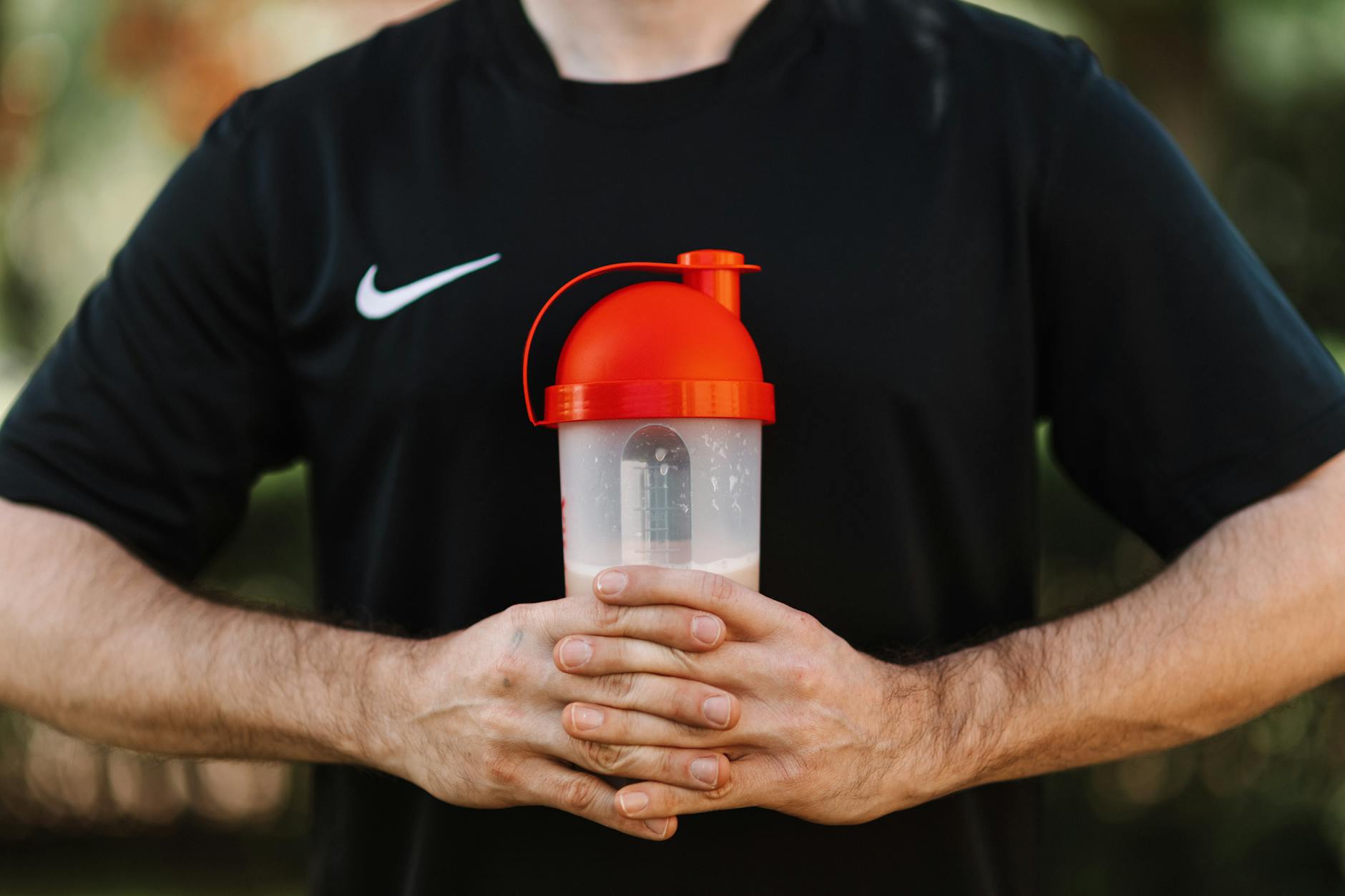
The protein conversation has gotten completely out of hand. Scroll through any fitness forum and you'll find people chugging six protein shakes a day, terrified that missing their "anabolic window" will cost them muscle. On the other side, you've got folks eating 40 grams of protein a day and wondering why they're always hungry and losing muscle along with fat.
The truth, as usual, is somewhere in the middle. But it's not as complicated as the supplement industry wants you to believe. The science on protein and weight loss is actually pretty clear, and the updated 2026 dietary guidelines finally caught up with what researchers have been saying for years.
Let's cut through the noise.
The old guidelines were too low
For decades, the recommended dietary allowance (RDA) for protein was 0.8 grams per kilogram of body weight per day. For a 150-pound person, that's about 55 grams. Enough to prevent deficiency. Not enough to support weight loss, preserve muscle, or keep you full between meals.
The 2026 updated dietary guidelines finally bumped the recommendation to 1.2 to 1.6 grams per kilogram per day. That's a meaningful jump. For our 150-pound person, that's 82 to 109 grams per day. Still not the 200+ grams that bodybuilding culture insists on, but substantially more than most people currently eat.
A Stanford Medicine report from March 2026 noted that the average American woman gets about 65 to 75 grams of protein per day, and the average man gets 90 to 100. For many people, especially women, that's not enough if you're actively trying to lose fat while keeping muscle.
Why protein matters more when you're in a calorie deficit
When you eat fewer calories than you burn, your body needs to find energy somewhere. Ideally, it pulls from fat stores. But your body isn't that precise. It'll happily break down muscle tissue for fuel, especially if you're not giving it a reason to keep that muscle around.
Protein provides that reason. A 2018 meta-analysis published in Advances in Nutrition found that higher protein intakes during calorie restriction significantly reduced lean mass loss compared to standard protein diets. The participants who ate more protein lost the same amount of total weight, but a larger percentage of that weight came from fat rather than muscle.
This matters more than most people realize. Muscle is metabolically active tissue. Lose it, and your metabolic rate drops. Your metabolic rate drops, and now you need to eat even less to keep losing weight. It's a miserable cycle that explains why so many crash dieters end up worse off than when they started.
So what's the right number for you?
The research points to a pretty consistent range. If you're trying to lose weight while preserving muscle, aim for 1.6 to 2.2 grams of protein per kilogram of body weight per day. In pounds, that's roughly 0.7 to 1 gram per pound of body weight.
Here's how that looks for different body weights:
- 130 pounds (59 kg): 94 to 130 grams per day
- 150 pounds (68 kg): 109 to 150 grams per day
- 180 pounds (82 kg): 131 to 180 grams per day
- 200 pounds (91 kg): 145 to 200 grams per day
- 220 pounds (100 kg): 160 to 220 grams per day
If those numbers look high, keep in mind that the upper end is really for people doing serious strength training while in a deficit. If you're moderately active and just want to lose fat without losing too much muscle, the lower end of the range (0.7 grams per pound) is a solid target.
A Cleveland Clinic review confirmed that aiming for 1.2 to 1.6 grams per kilogram is sufficient for most people looking to lose weight, with higher intakes benefiting those who exercise regularly.
Protein keeps you full (and that's half the battle)
Ask anyone who's tried to lose weight what the hardest part is. It's hunger. Constant, nagging, "why did I even start this" hunger. Protein is the single most effective macronutrient for fighting it.
Protein increases levels of satiety hormones like GLP-1 and peptide YY while reducing ghrelin, the hormone that tells your brain you're hungry. A 2015 study in the American Journal of Clinical Nutrition found that increasing protein from 15% to 30% of total calories led to participants spontaneously eating 441 fewer calories per day. They weren't told to eat less. They just weren't as hungry.
That's not a small difference. Over a week, 441 fewer calories per day adds up to roughly a pound of fat loss without any additional effort. Protein essentially does some of the dieting for you.
Timing matters less than you think
The fitness industry loves to complicate protein timing. Eat within 30 minutes of your workout. Spread it evenly across six meals. Have casein before bed. Most of this is marginally useful at best.
A 2013 meta-analysis in the Journal of the International Society of Sports Nutrition found that total daily protein intake was a far stronger predictor of muscle preservation and body composition than meal timing. Whether you eat your protein in three meals or six, the results are nearly identical as long as the total adds up.
That said, there's one practical reason to spread protein across meals: most people can only absorb and effectively use about 25 to 40 grams of protein per meal for muscle protein synthesis. If you try to eat 150 grams of protein in one sitting, your body will still use the amino acids for energy and other functions, but you won't get the full muscle-building benefit. Three to four meals with 30 to 40 grams each is a reasonable approach, but don't lose sleep over it.
You probably don't need a protein supplement
Protein powder is convenient, not magical. A scoop of whey protein is nutritionally identical to a chicken breast in terms of amino acid content. The supplement industry has done an incredible marketing job convincing people that powder is somehow superior to food.
If you're hitting your protein target with whole foods, you don't need a supplement. If you find it genuinely hard to eat enough protein through meals alone, particularly if you're vegetarian or vegan, then a protein powder can help fill the gap. But it should be a gap-filler, not the foundation.
Whole food protein sources also come with other nutrients. Eggs give you choline. Salmon gives you omega-3s. Greek yogurt gives you probiotics. A scoop of whey protein gives you whey protein. There's a clear winner for overall nutrition.
Common mistakes people make with protein and weight loss
The first mistake is counting protein without counting calories. Protein helps with satiety, but adding 600 calories worth of protein on top of your existing diet won't help you lose weight. The goal is to increase the percentage of your calories coming from protein, not just add more food.
The second mistake is neglecting protein at breakfast. Most people eat a carb-heavy breakfast (cereal, toast, pastries) and load their protein into dinner. Front-loading protein earlier in the day has been shown to improve satiety and reduce overall calorie intake. Two eggs and Greek yogurt for breakfast changes the trajectory of your entire day.
The third mistake is thinking all protein is equal when it comes to fullness. Whole food protein is significantly more satiating than liquid protein. A chicken breast will keep you full for hours. A protein shake will keep you full for maybe 45 minutes. If hunger management is your primary goal, prioritize chewing your protein.
How BodyBuddy helps you hit your protein targets
Counting protein grams is one of those things that works great in theory and falls apart in practice. Most people do it diligently for about two weeks, then start estimating, then start forgetting, then stop entirely.
BodyBuddy takes the friction out of protein tracking entirely. Snap a photo of your meal, send it via iMessage, and your AI coach breaks down the protein content along with everything else. No searching through food databases. No weighing portions on a kitchen scale. No logging into yet another app.
Because BodyBuddy checks in with you daily through iMessage, it can spot patterns you'd miss on your own. Consistently low on protein at lunch? Your coach will notice and suggest adjustments. Eating enough protein but struggling with total calories? It adapts to that too.
The daily conversation format also means you can ask questions in real time. "Is this enough protein for lunch?" "What should I add to this salad to hit my target?" You get actual answers, not just a green or red number on a tracking dashboard.
FAQ
Can I eat too much protein?
For most healthy adults, yes technically, but you'd have to try hard. Research has consistently shown that protein intakes up to 2.2 grams per kilogram of body weight are safe for people with healthy kidneys. The myth that high protein diets damage kidneys comes from studies on people with pre-existing kidney disease. If you have kidney issues, talk to your doctor. If you don't, you're almost certainly fine eating more protein than you currently do.
Does the type of protein matter for weight loss?
Not as much as total intake. Animal proteins (meat, fish, eggs, dairy) are complete proteins with all essential amino acids. Plant proteins often need to be combined to get a complete amino acid profile, but this happens naturally if you eat a varied diet. Soy, quinoa, and buckwheat are complete plant proteins on their own. The best protein source for weight loss is whichever one you'll actually eat consistently.
Should I eat more protein on workout days?
You can, but it's not necessary for most people. The research suggests that consistent daily protein intake matters more than cycling between high and low protein days. If you find yourself hungrier on training days, adding an extra serving of protein makes sense. But don't stress about matching protein to activity level on a daily basis.
Will eating more protein automatically help me lose weight?
No. Protein supports weight loss by preserving muscle and increasing satiety, but you still need to be in a calorie deficit. If you add protein on top of an already excessive calorie intake, you'll gain weight. The goal is to replace some of your current calories, particularly from refined carbs and added sugars, with protein-rich foods.
How do I know if I'm getting enough protein?
Track your intake for a few days to get a baseline. Most people are surprised to find they're eating less than they thought. Signs you might need more protein include constant hunger between meals, losing strength during workouts, slow recovery from exercise, and losing weight but not looking any different in the mirror (a sign you're losing muscle along with fat).
The bottom line on protein and weight loss
You probably need more protein than you're currently eating. Not bodybuilder levels, but more than the old guidelines suggested. Aim for 0.7 to 1 gram per pound of body weight if you're actively trying to lose fat. Prioritize whole food sources over supplements. Front-load your protein earlier in the day. And don't overthink the timing.
Protein isn't a magic bullet, but it's the closest thing to one in the weight loss world. It keeps you full, protects your muscle, and makes the whole process of eating less feel a lot more manageable.
If tracking protein feels like too much work, try BodyBuddy free. Just snap a photo of your meals and your AI coach handles the rest. It lives in iMessage, so there's nothing new to download or remember to open. It's the easiest way to make sure you're eating enough protein without turning every meal into a math problem.
Put this into practice
Choose a useful next step
Related BodyBuddy guides
- How much protein do you actually need to lose weight?
- How much protein do you actually need to lose weight? (It's probably more than you think)
- How much protein do you need to lose weight (without the bro-science)
- How to stop sugar cravings when you're trying to lose weight (8 strategies that actually work)
- 17 high protein snacks for weight loss that actually taste good
Want daily accountability?
BodyBuddy texts you every day.
Build a healthier relationship with food and movement, one text at a time.