← All posts
FrancisWeight Loss
Does drinking water help you lose weight? The science behind hydration and fat loss
Water alone is not a weight-loss hack. See what trials show about sugary-drink swaps, pre-meal water, daily needs, and overhydration.
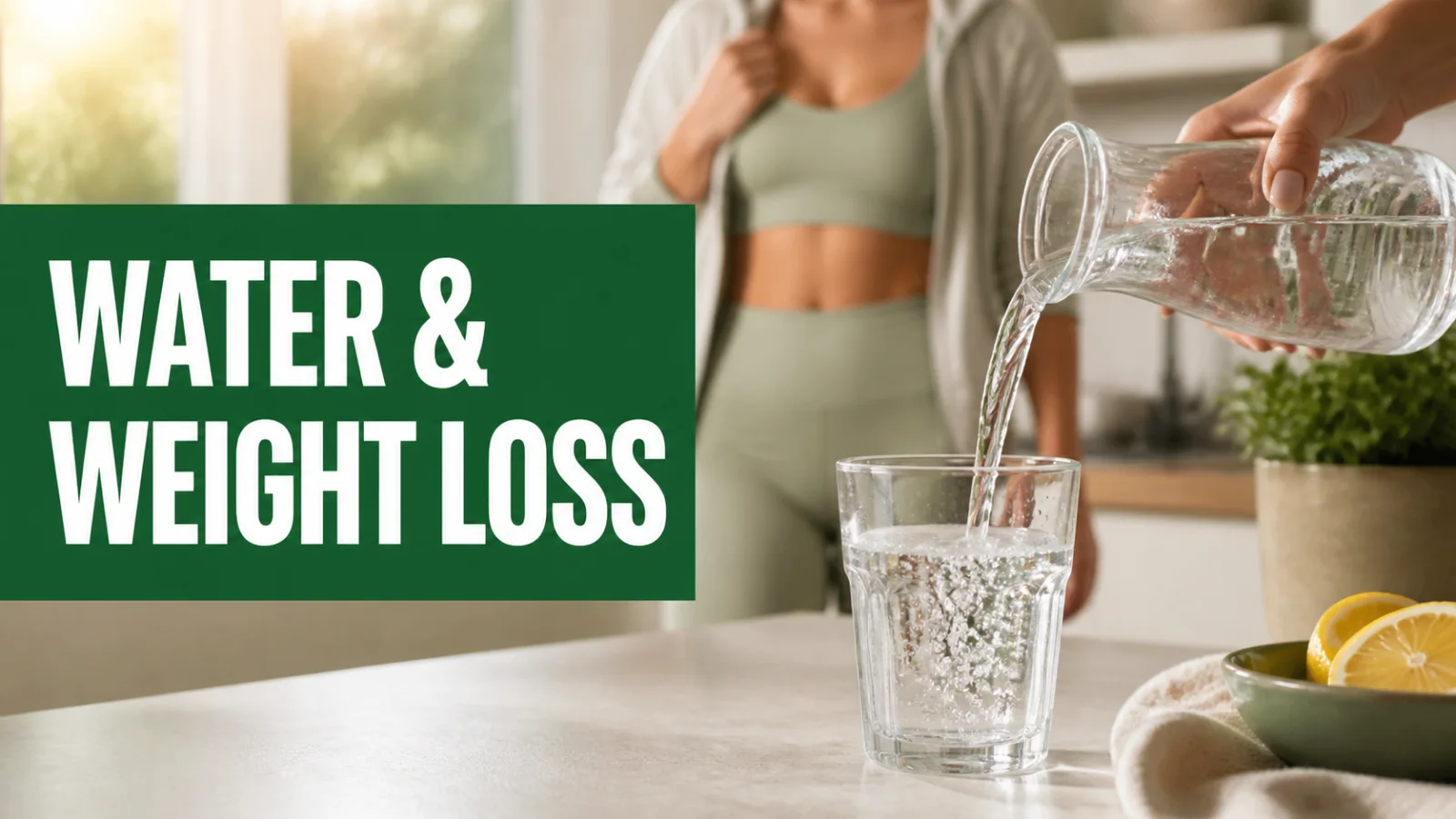
Short answer: drinking more water is not a stand-alone weight-loss treatment. The clearest benefit is simpler: water has no calories, so replacing a sugary drink with water can reduce calorie intake. Beyond that, the research is mixed and the effect is usually modest.
A 2024 meta-analysis of eight randomized trials found no significant average change in body weight, BMI, or waist circumference from interventions that increased water intake or substituted water for other drinks. Replacing sugar-sweetened drinks with water showed a possible modest benefit, but the result was not definitive. 2024 systematic review and meta-analysis
What the research actually shows
Water does not directly burn body fat
The popular claim that cold water creates a meaningful “metabolism boost” comes from small studies and has not held up consistently. A randomized reassessment found no meaningful increase in resting energy expenditure or fat oxidation after participants drank 500 mL of water. Water-induced thermogenesis reassessment
That means water is useful for hydration, but it is not a fat burner. Whether it is cold, room temperature, or warm matters far less than whether you enjoy drinking it.
Replacing sugary drinks is the strongest practical use
Plain water has no calories. If it replaces regular soda, sweet tea, a sweetened coffee, or another sugary drink, total calorie intake can fall without changing the rest of the meal.
The CDC specifically recommends choosing water over sugary drinks as a way to reduce added sugar and calorie intake. CDC: Water and healthier drinks
The important word is replacing. Adding water on top of everything you already drink does not automatically create a calorie deficit.
Water before meals may help some people—but the evidence is limited
One small 12-week trial included 48 adults ages 55 to 75 who were already following a lower-calorie diet. The group assigned to drink 500 mL of water before each main meal lost about 2 kg more than the diet-only group. Pre-meal water trial
That is encouraging, but it does not prove that everyone should drink two cups before every meal. The newer meta-analysis found no significant overall weight-loss effect across trials. If pre-meal water feels comfortable and helps you replace a caloric drink, it can be a reasonable experiment—not a requirement.
Thirst is not simply “hunger in disguise”
You may have heard that people routinely confuse thirst with hunger. A randomized crossover study found that dehydration increased thirst but did not change hunger, fullness, or how much participants ate at a test meal. Hydration and appetite trial
Drinking water before an unplanned snack can still be a useful pause. Just do not assume every craving means you are dehydrated.
How much water do you need?
There is no universal number that fits every person, and the “half your body weight in ounces” formula is not an official hydration standard.
The National Academies lists Adequate Intakes of 3.7 liters per day for adult men and 2.7 liters per day for adult women. Those numbers describe total water from all beverages and food, not a required number of glasses of plain water. Food supplies roughly 20% of total water intake on average, and the values are population-level guides rather than personalized prescriptions. National Academies water guidance
Your needs can change with:
- Heat and humidity
- Exercise and sweat rate
- Pregnancy or breastfeeding
- Fever, vomiting, or diarrhea
- Kidney, heart, or liver conditions
- Medications that affect fluid or sodium balance
For most healthy adults in ordinary conditions, thirst, regular access to fluids, and drinking with meals are reasonable guides. If a clinician has given you a fluid target or restriction, follow that plan instead of a formula from the internet.
A practical water habit for weight loss
If weight management is the goal, start with the change most likely to matter.
- Find one repeatable source of liquid calories. Look at regular soda, sweet tea, juice drinks, sports drinks, and sweetened coffee—not just food.
- Choose one swap. Replace one drink you have often with water, sparkling water, or another unsweetened option.
- Make the choice easy. Keep the option you want where the old drink usually lived: on your desk, in the refrigerator, or in your bag.
- Use a routine cue. Pair the drink with something that already happens, such as lunch or leaving for work.
- Judge the habit over a few weeks. A repeatable swap matters more than forcing a large daily volume for three days and quitting.
If you exercise for a long time, work in heat, or sweat heavily, your fluid and electrolyte needs may be different. Use guidance specific to that activity, especially if you have a health condition.
Can you drink too much water?
Yes. Drinking water faster than the body can clear it can dilute blood sodium and cause hyponatremia. Risk depends on the rate of intake, exercise, medications, kidney function, and other health factors; there is no single “safe gallon” rule for everyone.
Do not force large volumes despite nausea, headache, confusion, vomiting, or feeling unwell. Confusion, seizures, or reduced consciousness require urgent medical attention. NCBI overview of water toxicity
Urine color can be a rough everyday clue, but it is not a diagnosis. Food, supplements, medicines, and timing can all change it.
How BodyBuddy can support the habit
BodyBuddy is most useful here as a follow-through tool, not as a source of a medical water prescription.
Pick one specific action—such as “water instead of soda at lunch”—and keep it alongside the rest of your plan. BodyBuddy can help you make that action visible and check how it went over time. If a doctor, dietitian, coach, or physical therapist gave you hydration instructions, use their target and restrictions rather than replacing them with a generic rule.
Frequently asked questions
Does cold water help you lose more weight?
Not in a meaningful way. Research on water-induced thermogenesis is inconsistent, and any effect is too small to make water temperature a useful weight-loss strategy. Drink the temperature you prefer.
Do coffee and tea count toward total water intake?
Yes. The National Academies’ total-water guidance includes drinking water, other beverages, and moisture from food. If weight loss is the goal, what you add to coffee or tea may matter more than the caffeine itself.
Should I drink water before every meal?
You can try it if it feels comfortable, especially when it replaces a caloric drink. Evidence of a weight-loss benefit is limited and comes partly from small trials in specific populations, so it is optional rather than necessary.
Will drinking more water make me lose weight quickly?
No reliable timeline exists because water alone does not create predictable fat loss. The useful change is usually what water replaces.
Is sparkling water okay?
Unsweetened sparkling water is a zero-calorie alternative to sugary drinks and counts toward fluid intake. Check the label if it contains sugar or other caloric ingredients.
The bottom line
Water supports normal health, but more water is not automatically more weight loss. The evidence-backed move is to use water as a replacement for drinks that add calories—then build that swap into a routine you can keep.
If you have been told to restrict fluids, take diuretics, have kidney, heart, or liver disease, are pregnant or breastfeeding, or have unusual thirst or urination, get individualized guidance from a qualified health professional.
Next steps
Related BodyBuddy guides
- How much protein do you need to lose weight (without the bro-science)
- Ultra-processed food and weight loss: what the science actually says
- 17 high protein snacks for weight loss that actually taste good
- Alcohol and weight loss: what actually happens when you drink (and how to handle it)
- How to eat out and still lose weight (yes, it's actually possible)
Everyone gives you a plan.BodyBuddy texts you until it happens.
BodyBuddy keeps you on track—from meals to doctor's appointments and everything in between.