
All posts
Do carbs make you fat? What the science actually says
A practical BodyBuddy guide to do carbs make you fat? what the science actually says, with useful considerations and next steps.
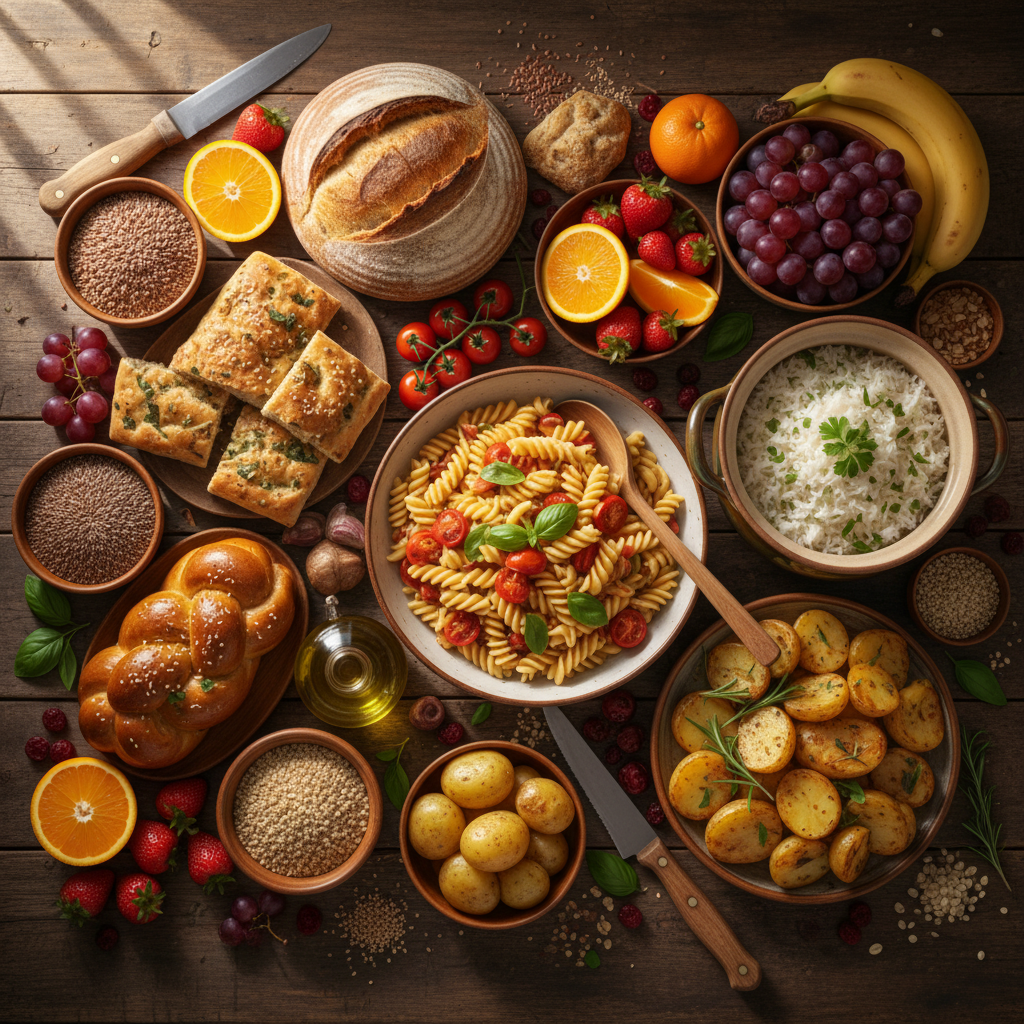
You've probably heard it before. Maybe from a coworker who swears by keto, or a fitness influencer who acts like bread is a controlled substance. "Carbs make you fat." It sounds simple enough to be true. But is it?
The short answer: no. Carbs don't make you fat. Eating more calories than your body uses makes you fat, and that can happen with any macronutrient. The longer answer is more interesting, and worth understanding if you want to stop feeling guilty every time you eat a potato.
Let's break down where this myth came from, what the research actually shows, and how to think about carbs in a way that helps you lose weight without cutting out entire food groups.
Where the "carbs make you fat" myth came from
The anti-carb movement picked up serious steam in the early 2000s with the Atkins diet. The basic argument: carbs spike insulin, insulin promotes fat storage, therefore carbs make you fat. It was a clean narrative. Easy to repeat at dinner parties. And it had just enough biochemistry to sound legit.
The problem is that it cherry-picks one piece of a much bigger metabolic picture. Yes, insulin rises after you eat carbs. But insulin also rises after you eat protein. And the presence of insulin doesn't automatically mean your body is storing fat. Insulin's job is to shuttle nutrients into cells. That's a normal, healthy process.
The carbohydrate-insulin model of obesity has been tested directly. In 2017, researcher Kevin Hall ran a tightly controlled metabolic ward study at the NIH where participants were given either low-carb or low-fat diets with identical calories. The result? No meaningful difference in body fat loss. When calories were matched, cutting carbs didn't give people a metabolic advantage.
That study wasn't an outlier. A 2018 meta-analysis in BMJ Open looked at 32 controlled feeding trials and reached the same conclusion: low-carb and low-fat diets produce nearly identical weight loss when protein and calories are equated.
What actually determines whether you gain fat
Weight gain comes down to energy balance. If you consistently eat more calories than you burn, your body stores the excess as fat. This is true whether those extra calories come from pasta, olive oil, chicken breast, or avocado toast.
That said, not all calories behave the same way in your body. The reason carbs get blamed is that certain carb-heavy foods are extremely easy to overeat. Nobody accidentally eats 1,000 calories of broccoli. But 1,000 calories of chips? That's a normal Tuesday night in front of the TV.
The distinction matters. It's not the carbohydrate molecule causing weight gain. It's the specific food context: ultra-processed, calorie-dense, engineered to be hard to stop eating. Blaming "carbs" for this is like blaming "liquids" for alcoholism.
Here's what the research consistently points to as the real drivers of overeating:
- Ultra-processed foods (which happen to often be carb-heavy, but their processing is the issue, not the carbs)
- Low protein intake (protein is the most satiating macronutrient, and when you don't get enough, you eat more overall)
- Low fiber intake (fiber slows digestion and helps you feel full longer)
- Poor sleep, high stress, and disrupted hunger hormones
- Eating in the absence of hunger (boredom, stress, habit)

The types of carbs that actually matter
Lumping all carbs together is one of the biggest mistakes in popular nutrition. A bowl of oatmeal with berries and a Snickers bar are both "carbs," but they do very different things in your body.
Complex carbs (whole grains, legumes, starchy vegetables, fruits) come packaged with fiber, vitamins, minerals, and water. They digest slowly, provide sustained energy, and keep you feeling full. A 2019 study in The Lancet found that people who ate the most fiber had a 15-30% lower risk of all-cause mortality compared to low-fiber eaters.
Refined carbs (white bread, sugary cereals, pastries, soda) have been stripped of most of their fiber and nutrients. They digest fast, spike blood sugar, and leave you hungry again within an hour or two. These are the carbs that correlate with weight gain in observational studies, but it's their lack of fiber and high calorie density doing the damage, not the fact that they contain carbohydrates.
A practical way to think about it: if a carb source has fiber and you can see what plant it came from, it's probably working in your favor. If it's been ground, processed, and sweetened until it barely resembles food, it's worth eating less of. But even then, you don't have to eliminate it. You just need to be aware of how much you're having.
Why low-carb diets work (but not for the reason you think)
Here's where it gets nuanced. Low-carb diets do work for weight loss. People lose real weight on keto, Atkins, and similar approaches. That's not disputed.
But they don't work because carbs are inherently fattening. They work because:
- Cutting carbs usually means cutting a huge chunk of calories. Bread, pasta, rice, cereal, and snack foods are calorically dense and easy to overeat. Remove them and your calorie intake drops by default.
- Low-carb diets tend to increase protein and fat intake, both of which are more satiating than refined carbs. You feel fuller on fewer calories.
- The rules are simple and restrictive. Having clear boundaries ("no bread, no pasta, no sugar") makes it easier to say no, at least in the short term.
- Initial weight loss is dramatic because your body sheds water when glycogen stores deplete. This feels motivating, even though much of the early loss isn't fat.
The Stanford DIETFITS trial, one of the largest and most rigorous diet comparison studies ever conducted, followed over 600 people for 12 months on either low-fat or low-carb diets. The average weight loss? Nearly identical. About 12 pounds in each group. The biggest predictor of success wasn't the diet type. It was whether people could stick to it.
And that's the real problem with extreme carb restriction for most people: sustainability. A 2020 review in the Journal of the American College of Nutrition found that adherence to low-carb diets drops significantly after 6 months. Most people reintroduce carbs, regain weight, and end up back where they started, sometimes heavier.
A smarter way to think about carbs and weight loss
Instead of asking "should I cut carbs?" a better question is "am I eating the right carbs in the right amounts for my body and goals?"
For most people trying to lose weight, the sweet spot looks something like this:
- Get most of your carbs from whole food sources: oats, rice, potatoes, sweet potatoes, fruits, beans, lentils
- Pair carbs with protein and fiber at meals to slow digestion and increase satiety
- Reduce (don't eliminate) refined carbs and sugary drinks
- Pay attention to portion sizes, especially with calorie-dense carb sources like pasta and bread
- Don't stress about individual meals. Your overall pattern across weeks matters far more than whether you had rice at dinner
This is where tools like BodyBuddy can be genuinely useful. Rather than following rigid macro rules, BodyBuddy coaches you through iMessage with daily check-ins and meal tracking via photo or text. You snap a picture of your plate, and the AI analyzes what you're eating and helps you make better choices over time. It's not about demonizing carbs or any food group. It's about building awareness of what works for your body.
The companion iOS app lets you view your tracked meals, nutrition data, and progress over time. There's also a "Future You" feature, an AI-generated Pixar-style 3D avatar that shows what you'll look like when you hit your goal. You unlock more of it by completing daily missions. It's a simple game mechanic, but it works because it keeps you focused on the process rather than obsessing over macros.
What about keto? Is it ever the right choice?
I want to be fair here. Keto and very low-carb diets aren't scams. Some people genuinely thrive on them. If you have insulin resistance, PCOS, or type 2 diabetes, there's decent evidence that reducing carb intake can help manage blood sugar and improve metabolic markers. A 2022 systematic review in Nutrients found that low-carb diets improved HbA1c levels in people with type 2 diabetes more effectively than low-fat diets over 6 months.
But for the average person who just wants to lose 20-30 pounds and keep it off? Going keto isn't necessary and often backfires. The restriction creates a sense of deprivation. Social situations become minefields. And when you eventually eat a sandwich, the guilt spiral starts.
The best diet for weight loss is one that creates a moderate calorie deficit, includes enough protein, gives you the nutrients your body needs, and doesn't make you miserable. For most people, that includes carbs.
Frequently asked questions
Do carbs make you gain belly fat specifically?
No. You can't target where your body stores or loses fat based on what you eat. Where you gain fat is determined by genetics and hormones, not by whether you ate bread or butter. A calorie surplus from any source can contribute to abdominal fat, and a calorie deficit from any approach can reduce it.
How many carbs should I eat per day to lose weight?
There's no single number that works for everyone. Most nutrition guidelines suggest getting 45-65% of your calories from carbs. If you're eating 1,800 calories a day, that's roughly 200-290 grams of carbs. But the exact amount matters less than your total calorie intake and whether you're getting enough protein and fiber. Some people do well with slightly fewer carbs (30-40% of calories), especially if they're less active.
Is it better to cut carbs or cut fat for weight loss?
Neither is inherently better. The research is remarkably consistent on this: low-carb and low-fat diets produce the same weight loss when calories and protein are matched. The best approach is whichever one you can actually maintain long-term. If you love bread and rice, a low-fat approach might feel more sustainable. If you prefer meat and cheese, lower-carb might work better. The goal is finding what fits your life.
Why do I feel bloated after eating carbs?
Carbs cause your body to retain water. For every gram of glycogen (stored carbohydrate) your body holds, it stores about 3 grams of water alongside it. So after a carb-heavy meal, especially if you've been eating low-carb, you might retain a few pounds of water weight. This isn't fat gain. It's a temporary, normal physiological response. It also explains why people lose so much weight in the first week of keto, and regain it quickly when they start eating carbs again.
Are certain carbs worse than others for weight gain?
Ultra-processed carb-heavy foods (chips, cookies, sugary drinks, fast food) are associated with weight gain in virtually every large-scale study. But whole food carb sources (fruit, potatoes, oats, legumes) are not. A 2019 Cell Metabolism study by Kevin Hall showed that people ate about 500 more calories per day when given ultra-processed foods compared to whole foods, even when both diets were matched for available calories, macros, fiber, and sugar. The processing matters more than the macronutrient.
The bottom line
Carbs don't make you fat. Chronically eating more than your body needs makes you fat, and that's true regardless of which macronutrient is doing the heavy lifting. The research on this is clear and has been for years.
If you want to lose weight, you don't need to swear off rice or feel guilty about a banana. Focus on eating mostly whole foods, getting enough protein, paying attention to your hunger signals, and building habits you can actually maintain. That approach works better than any extreme elimination diet, every single time.
If you struggle with knowing what and how much to eat, or you just want someone checking in on you every day, BodyBuddy might be worth a look. It's an AI coach that lives in your iMessage and helps you build sustainable eating habits, one meal at a time. No food groups banned. No macro obsession. Just consistent, personalized nudges that keep you moving forward.
Because the goal isn't to eat perfectly. It's to eat well enough, consistently enough, that the results take care of themselves.
Related BodyBuddy guides
- Does meal timing actually matter for weight loss? What the science says
- Ultra-processed food and weight loss: what the science actually says
- How to Stay Consistent with Your Diet: 7 Science-Backed Strategies That Actually Work
- Does drinking water help you lose weight? The science behind hydration and fat loss
- Is counting calories effective? What the research actually says
Everyone gives you a plan.BodyBuddy texts you until it happens.
BodyBuddy keeps you on track—from meals to doctor's appointments and everything in between.