
Fitness|May 11, 2026|Francis
Best at-home workouts for weight loss (no gym, no equipment, no excuses)
A practical BodyBuddy guide to best at-home workouts for weight loss (no gym, no equipment, no excuses), with useful considerations and next steps.
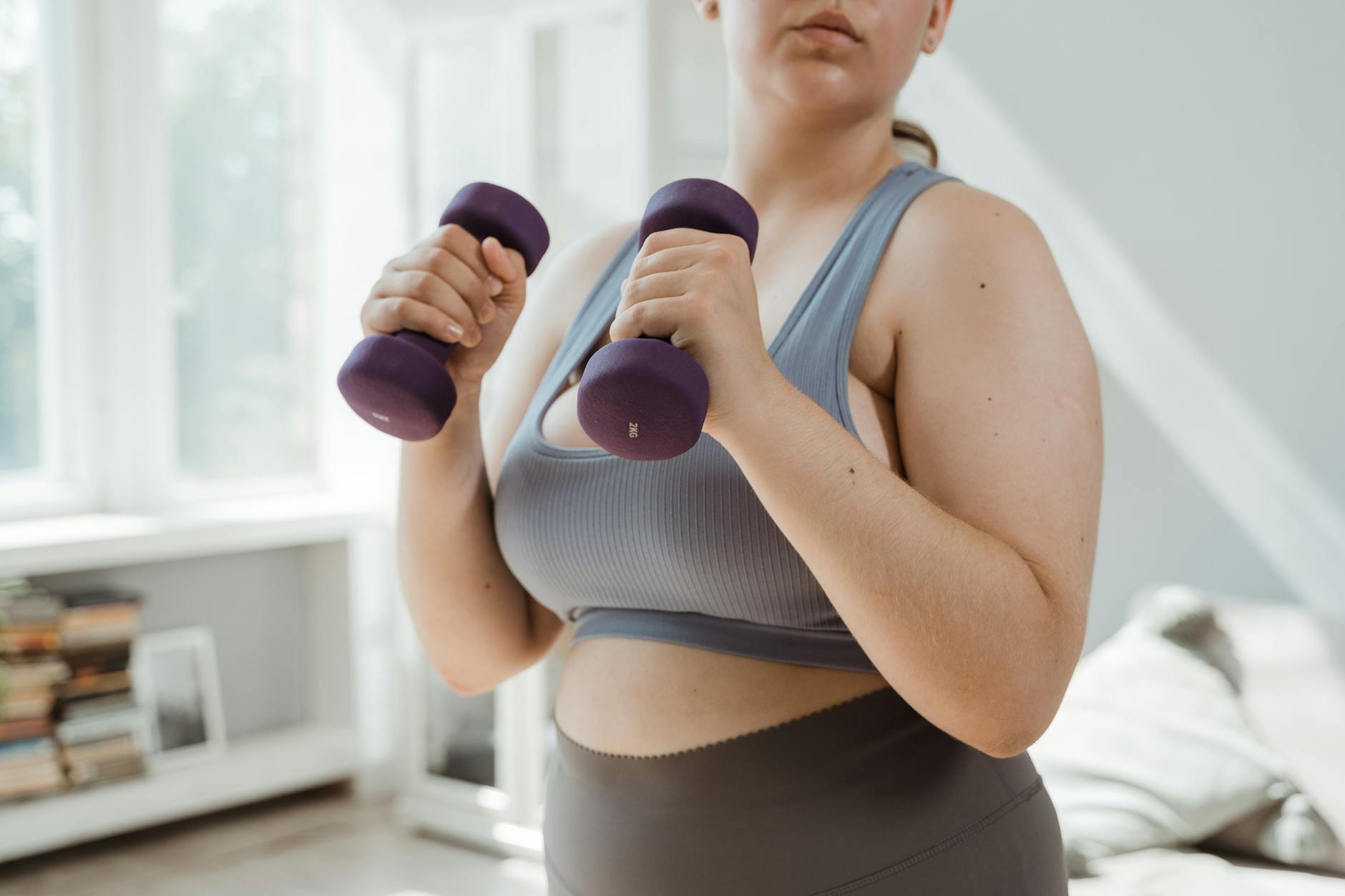
You don't need a gym membership to lose weight. You don't need dumbbells, resistance bands, or a Peloton collecting dust in the corner. What you need is your body, a small patch of floor space, and about 20-30 minutes. That's it.
The fitness industry has spent decades convincing people that effective exercise requires equipment, special clothes, and a monthly subscription. It's a nice story for their revenue, but it doesn't hold up to scrutiny. Bodyweight training has been building strong, lean physiques since long before commercial gyms existed, and the research confirms that it works just as well for fat loss as any fancy equipment, assuming you put in consistent effort.
Here's a complete guide to losing weight at home with nothing but your own bodyweight. No gear to buy. No commute to the gym. No excuses left.
Why bodyweight training works for weight loss
Let's address the skepticism head-on, because if you've been told you need heavy weights to lose fat, I get why you'd doubt bodyweight exercises. The claim isn't that push-ups are superior to bench press. The claim is that for fat loss specifically, bodyweight training gets the job done.
Weight loss fundamentally requires a calorie deficit. Exercise contributes to that deficit, and any form of exercise that elevates your heart rate and challenges your muscles burns calories. A 2018 systematic review in Sports Medicine found that bodyweight high-intensity interval training (HIIT) produced comparable fat loss results to traditional gym-based training over 8-12 week programs. The mechanism isn't complicated: work hard enough, consistently enough, and your body burns fuel.
Bodyweight exercises also carry a significant advantage for fat loss that gets overlooked: they're compound movements by nature. A squat works your quads, hamstrings, glutes, and core simultaneously. A push-up hits your chest, shoulders, triceps, and core. A burpee involves virtually every muscle in your body. More muscles working means more calories burned per minute of exercise.
A 2015 study in the Journal of Exercise Science and Fitness found that a 20-minute bodyweight circuit burned an average of 250-350 calories, with an elevated metabolic rate persisting for up to 14 hours after exercise. That afterburn effect, formally called excess post-exercise oxygen consumption (EPOC), is most pronounced with circuit-style training that alternates between muscle groups with minimal rest.
The other practical advantage is massive: accessibility. You can do a bodyweight workout in your living room at 6 AM or 11 PM. You can do it in a hotel room while traveling. You can do it in your office during lunch. The gym requires scheduling around operating hours, commute time, and crowd levels. Your living room requires none of that. And as we'll see, removing friction is one of the strongest predictors of exercise consistency.
The best bodyweight exercises for burning fat
Not all bodyweight exercises are created equal for weight loss. Isolation movements like bicep curls (even without weight) or calf raises burn relatively few calories because they involve small muscle groups working alone. For fat loss, you want exercises that recruit large muscle groups, elevate your heart rate, and can be done in combination to keep intensity high.
Squats and squat variations. The squat is the king of bodyweight exercises for a reason. It targets the largest muscle groups in your body: quads, hamstrings, and glutes. Basic bodyweight squats are a starting point, but you can progress to jump squats, Bulgarian split squats using a chair, pistol squats, or tempo squats where you slow down the lowering phase to 3-4 seconds. A 2016 study in the Journal of Sports Science and Medicine found that squat variations performed at high intensity elevated heart rate to 70-85% of maximum, well within the fat-burning zone.
Push-up variations. Push-ups work your chest, shoulders, triceps, and core. If standard push-ups are too challenging, start on your knees or against a wall. If they're too easy, try diamond push-ups, decline push-ups with your feet elevated on a couch, or explosive push-ups where your hands leave the ground. The versatility of the push-up makes it infinitely scalable.
Burpees. Nobody likes burpees, and that's precisely why they work. A single burpee involves a squat, a plank, a push-up, and a jump. A 2014 study in the Journal of Strength and Conditioning Research found that burpees produced one of the highest metabolic demands of any bodyweight exercise, elevating heart rate above 90% of maximum within the first minute of continuous work. Ten minutes of burpees will humble anyone.
Mountain climbers. This exercise combines a plank position with rapid alternating knee drives, hitting your core, hip flexors, shoulders, and cardiovascular system simultaneously. It's one of the best exercises for keeping intensity high during circuit rest periods without requiring you to stand up.
Lunges and lunge variations. Walking lunges, reverse lunges, jump lunges, and curtsy lunges all challenge your lower body unilaterally, meaning each leg works independently. This builds balance and stability while burning more calories than bilateral exercises because your stabilizer muscles have to work harder.
Plank variations. Standard planks, side planks, plank shoulder taps, and plank jacks build core strength and endurance. While planks alone don't burn massive calories, they're essential for maintaining the core stability needed for every other exercise on this list and for protecting your lower back during high-intensity work.
Two proven at-home workout routines
Here are two complete workouts you can start today. No equipment needed. No experience required. Scale the difficulty by adjusting the rest periods or choosing easier variations.
Routine 1: The 20-minute circuit (beginner-friendly). Perform each exercise for 40 seconds, rest 20 seconds, then move to the next. Complete all six exercises, rest 60-90 seconds, and repeat for a total of three rounds. That's about 21 minutes including rest. The exercises are bodyweight squats, push-ups (knees if needed), alternating reverse lunges, mountain climbers, plank holds, and jumping jacks. This format keeps your heart rate elevated throughout while giving each muscle group brief recovery between rounds. A 2019 study in the British Journal of Sports Medicine found that this style of alternating-muscle-group circuit training was as effective for cardiovascular fitness as traditional steady-state cardio, while also building muscular endurance.
Routine 2: The HIIT blast (intermediate). This one's harder and shorter. Perform each exercise at maximum effort for 20 seconds, rest 10 seconds, and move to the next. Eight exercises, four rounds, with a 60-second rest between rounds. Total time: about 20 minutes. The exercises are jump squats, burpees, push-ups, high knees, lunge jumps, mountain climbers, plank shoulder taps, and squat hold. This Tabata-inspired protocol is brutally efficient. A 2019 study in the Journal of Sports Science and Medicine found that Tabata-style bodyweight training improved both aerobic and anaerobic capacity while producing significant fat loss over an 8-week period. It's not fun. It's effective.
For both routines, form matters more than speed. A sloppy fast rep is worse than a clean slow one, both for results and injury prevention. If you can't maintain good form for the full interval, reduce the work time or choose an easier variation. There's no shame in that, and it's far smarter than hurting yourself.
How often and how long you actually need to train
The minimum effective dose for bodyweight training aimed at weight loss is three sessions per week, 20-30 minutes per session. That's it. A 2021 systematic review in the British Journal of Sports Medicine concluded that 150 minutes of moderate-intensity or 75 minutes of vigorous-intensity exercise per week was sufficient for meaningful improvements in body composition, cardiovascular health, and metabolic markers.
Three 25-minute bodyweight HIIT sessions per week lands you at 75 minutes of vigorous activity. You could also do four 20-minute sessions and take three full rest days. The research consistently shows that training frequency matters less than total weekly volume and consistency over months.
What about training every day? You can, but you don't need to, and daily high-intensity training without adequate recovery can lead to overtraining symptoms: elevated resting heart rate, persistent fatigue, decreased performance, and increased injury risk. A 2018 review in Sports Medicine recommended at least one full rest day per week for recreational exercisers and suggested alternating between high-intensity and lower-intensity sessions rather than going hard every day.
A practical weekly schedule might look like this: Monday, Wednesday, and Friday do the HIIT or circuit workout. Tuesday, Thursday, and weekends go for walks, light stretching, or active recovery. This gives you three hard sessions and four easier days, which the research supports as optimal for fat loss without burnout.
The nutrition part nobody wants to hear
I'd be doing you a disservice if I pretended exercise alone will produce significant weight loss. It won't. Not because exercise doesn't burn calories, but because it's shockingly easy to out-eat any workout.
A 25-minute bodyweight circuit burns roughly 250-350 calories. That's less than a large muffin from most coffee shops. One post-workout smoothie with granola, banana, peanut butter, and yogurt can easily exceed 500 calories. You can erase an entire workout with a single poor food decision made while you're hungry after training.
A 2019 meta-analysis in Obesity Reviews found that exercise without dietary modification produced minimal weight loss, typically 1-3 kg over 12 weeks. Exercise combined with dietary change produced 5-8 kg over the same period. The exercise is important for body composition, cardiovascular health, mood, and muscle preservation. But the calorie deficit that drives actual fat loss mostly needs to come from food.
This doesn't mean dieting. It means paying attention to what you eat. Track your meals, even roughly. Eat more protein to preserve muscle and stay full. Build meals around whole foods. And don't treat workouts as permission to eat whatever you want.
How BodyBuddy keeps your home workouts and nutrition on track
The hardest part of working out at home isn't the exercises. It's doing them consistently when nobody's watching. There's no trainer waiting for you, no class you've signed up for, no gym buddy expecting you to show up. It's just you and your living room, and it's incredibly easy to decide you'll do it tomorrow.
BodyBuddy solves this through daily accountability delivered straight to iMessage. Your AI coach checks in every day, asking about your workout and your meals. Not as a notification you swipe away, but as an actual conversation. Did you train today? What did you eat? How are you feeling? The check-in takes 30 seconds to respond to, and that small act of reporting keeps the commitment front of mind.
The photo-based meal tracking means you don't need a separate food app to manage the nutrition side. Snap a picture of your lunch, text it to your coach, and BodyBuddy handles the analysis. It tracks your nutrition patterns over time and gives you feedback that's specific to your habits, not generic advice pulled from a template.
Your streak counter creates a small but real motivation boost. When you're on a 15-day streak of checking in, you think twice before skipping. And when you do skip, your coach follows up the next day without judgment. It's the short feedback loop that keeps home exercisers honest, delivered in the app you already check constantly.
FAQ
Can you lose weight just doing bodyweight exercises at home?
Yes, provided your nutrition supports a calorie deficit. Bodyweight exercises burn significant calories and build muscle, which increases your resting metabolic rate. A 2018 review in Sports Medicine found that bodyweight HIIT produced comparable fat loss to gym-based training. The key variable isn't the type of exercise; it's consistency and diet.
How many calories does a 20-minute bodyweight workout burn?
It varies by intensity, body weight, and fitness level, but most research estimates 200-400 calories for a 20-minute circuit or HIIT session. Heavier individuals and higher-intensity protocols burn more. The afterburn effect (EPOC) can add another 50-100 calories over the hours following a vigorous session.
How long before I see results from working out at home?
Most people notice improved energy and mood within the first one to two weeks. Visible changes in body composition typically take four to eight weeks of consistent training combined with appropriate nutrition. The often-cited "21 days to a habit" is a myth; habit formation research suggests 66 days on average. Be patient and focus on consistency over rapid results.
Is it better to do cardio or strength training for weight loss at home?
Both. Circuit-style bodyweight training naturally combines elements of both cardio and strength training, which is one reason it's so effective for fat loss. Pure cardio like running burns calories during the session but does less for muscle preservation. Strength training preserves muscle and boosts metabolic rate. The routines in this article blend both for optimal results.
What if I can't do a full push-up or squat?
Start with easier variations. Push-ups on your knees or against a wall. Squats to a chair so you have a target depth and can sit down if needed. Half-range lunges holding onto a doorframe. Every exercise can be scaled to your current ability. A study in the Journal of Strength and Conditioning Research found that modified exercises produced similar adaptation rates to full versions when performed consistently. Start where you are and progress over time.
Your living room is enough
You don't need a gym to lose weight. You need consistency, a reasonable calorie deficit, and 20-30 minutes three times a week of bodyweight exercises that challenge you. Everything else is optional.
The best home workout program is the one you'll actually do on a Wednesday evening when you're tired and Netflix is calling. Keep it short, keep it simple, and focus on showing up rather than performing perfectly. Three months of imperfect consistency beats two weeks of an intense program you quit.
If you want daily accountability for your workouts and nutrition without downloading another fitness app, try BodyBuddy free. It lives in iMessage, checks in with you every day, and tracks your meals from photos. No gym required. No equipment required. Just you, your living room, and an AI coach that keeps you honest.
Put this into practice
Choose a useful next step
Related BodyBuddy guides
- Best home workouts for weight loss (no equipment needed)
- Best exercises for weight loss at home (no gym required)
- Why strength training beats cardio for long-term weight loss
- Strength training for weight loss: a beginner's guide that skips the bro science
- Exercise vs diet for weight loss: which one actually matters more
Want daily accountability?
BodyBuddy texts you every day.
Build a healthier relationship with food and movement, one text at a time.