
Best Of|March 9, 2026|Francis
7 best weight loss apps for diabetics in 2026
7 best weight loss apps for diabetics in 2026
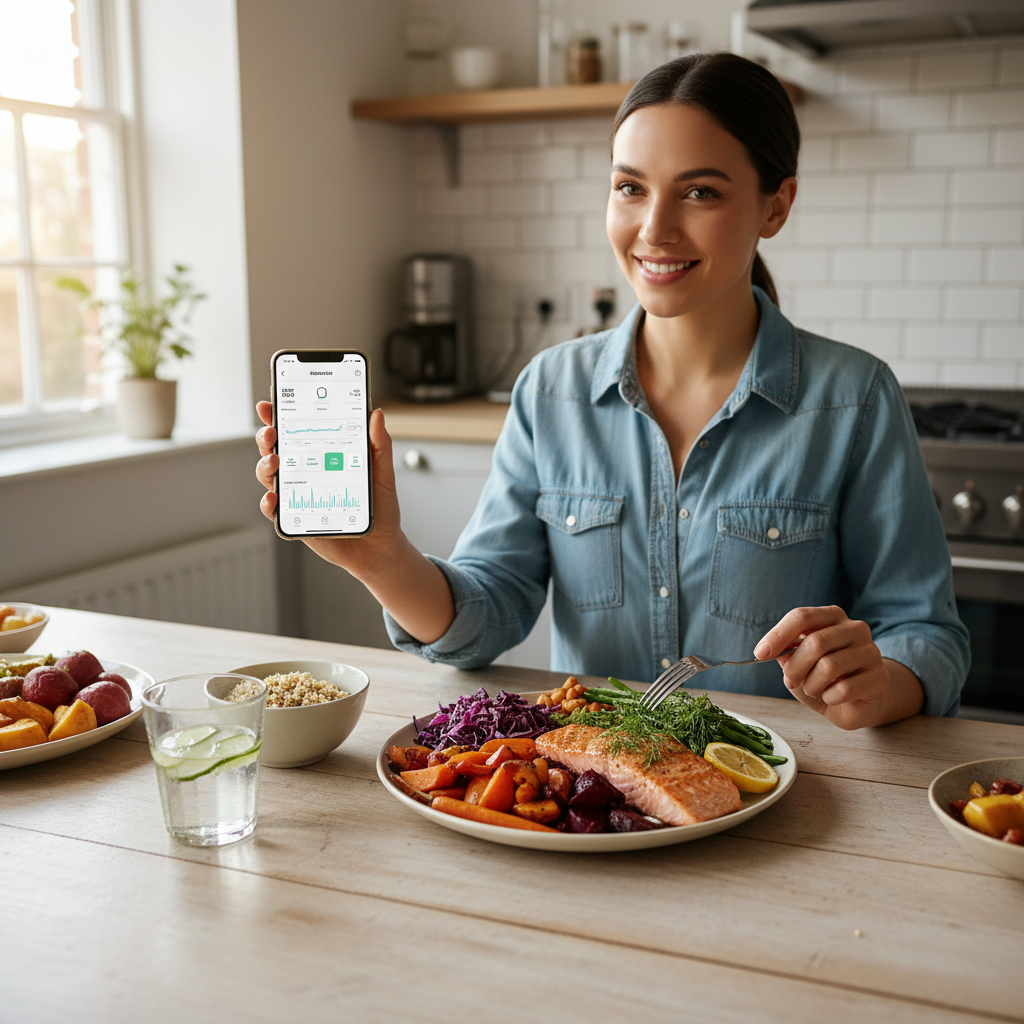
Losing weight when you have diabetes is a different game. You're not just counting calories — you're watching blood sugar spikes, managing medication timing, and trying not to crash after a workout. Most weight loss apps weren't built with any of that in mind.
I spent a few weeks testing the most popular options to see which ones actually work for people managing diabetes. Some are diabetes-specific. Others are general fitness apps that happen to have features diabetics can use. Here's what I found.
What to look for in a weight loss app if you have diabetes
Before jumping into the list, a few things matter more for diabetics than the average user:
- Blood sugar tracking or integration — either built-in or connected to a CGM/glucose meter
- Carb counting — not just calories. Macros matter when you're managing insulin.
- Meal logging that's actually easy — if it takes 5 minutes to log lunch, you won't do it
- No extreme diet plans — aggressive calorie restriction can mess with blood sugar in dangerous ways
- Accountability features — diabetics who track consistently have better outcomes. Something that keeps you showing up helps.
With that in mind, here are the 7 apps worth looking at.
1. MyFitnessPal
MyFitnessPal has been around forever, and there's a reason it's still one of the most downloaded health apps. The food database is massive — over 14 million foods — and barcode scanning makes logging fast.
For diabetics, the macro tracking is the real value. You can set custom carb targets and see exactly how your meals break down. It also syncs with most fitness trackers and smart scales.
The downside? It's a logging tool, not a coaching tool. It won't tell you why your blood sugar spiked after that sandwich, and it won't adjust your plan when you're struggling. You're on your own to interpret the data.
- Best for: people who want detailed macro/carb tracking and are self-motivated
- Pricing: Free with ads, Premium $24.99/month
- Diabetes-specific features: Custom carb goals, macro breakdown, large food database
2. Noom
Noom takes a psychology-first approach to weight loss. Instead of just tracking food, it tries to change your relationship with eating through daily lessons and color-coded food categories (green, yellow, red).
For diabetics, the color system roughly aligns with glycemic impact — green foods tend to be lower glycemic, which is helpful. Noom also offers a diabetes-specific program called Noom Med that includes GLP-1 medication support.
The catch is the price. Noom is one of the more expensive options, and the coaching you get is largely automated with some human check-ins. The daily lessons can also feel repetitive after a few months.
- Best for: people who overeat due to habits/emotional eating and want behavior change
- Pricing: $70/month (or ~$209 for an annual plan)
- Diabetes-specific features: Noom Med program, color-coded food system, behavioral coaching
3. Lose It!
Lose It! is the simpler, cheaper alternative to MyFitnessPal. The interface is cleaner and the food logging is just as fast with their Snap It feature — take a photo of your meal and it identifies the food automatically.
They recently added blood sugar tracking directly in the app, which is a nice addition for diabetics. You can log glucose readings alongside meals and see patterns over time. It's not as robust as a dedicated diabetes app, but it's more than most weight loss apps offer.
It's lighter on features than MyFitnessPal, which is either a pro or con depending on what you want. Less overwhelming, but also less data.
- Best for: people who want simple calorie and carb tracking without the complexity
- Pricing: Free basic, Premium $24.99/month
- Diabetes-specific features: Built-in blood sugar logging, photo-based meal tracking, carb tracking

4. MySugr
MySugr is built specifically for diabetes management, not weight loss. But if your diabetes is the primary concern and weight loss is secondary, it's worth considering.
The app makes logging blood sugar, meals, and insulin doses genuinely fast. The interface is well-designed and the estimated HbA1c feature gives you a running picture of your glucose control. It also integrates with Accu-Chek meters for automatic data sync.
The limitation is that it's not really a weight loss app. There's no calorie tracking, no exercise programming, and no coaching. You'd need to pair it with something else for the weight loss side.
- Best for: type 1 or type 2 diabetics who need solid glucose management first
- Pricing: Free basic, Pro $24.99/month (often free with Accu-Chek meters)
- Diabetes-specific features: Blood sugar logging, insulin tracking, estimated HbA1c, CGM integration
5. BodyBuddy
BodyBuddy takes a completely different approach from everything else on this list. It coaches you through iMessage, with a companion app that tracks your meals and shows your Future You avatar — an AI-generated image of what you'll look like at your goal weight. You text your AI coach what you ate (or send a photo), and it tracks everything for you. It also checks in daily to ask about workouts and meals.
It's not diabetes-specific, so you won't get blood sugar tracking or CGM integration. But here's why it's on this list: the accountability piece is genuinely strong. For diabetics who already know what they should be eating but struggle to actually do it consistently, having something check in every day through a text thread you're already using is surprisingly effective.
The AI coaching adapts to your goals, so you can tell it you're managing diabetes and it'll factor that into meal feedback — flagging high-carb meals, suggesting lower glycemic alternatives, that kind of thing. The photo-based meal tracking also removes the friction of manually logging every ingredient.
It won't replace a diabetes management app like MySugr. But as an accountability and meal tracking layer, it fills a gap most other apps miss.
- Best for: people who need daily accountability and hate opening apps to log food
- Pricing: $29.99/month
- Diabetes-specific features: None built-in, but AI coaching adapts to dietary needs including diabetic considerations
- Try it: bodybuddy.app
6. Glucose Buddy
Glucose Buddy has been around since the early days of the App Store and it remains one of the more comprehensive free diabetes tracking apps. It logs blood sugar, food, medications, and activity all in one place.
The food logging includes carb estimates and you can see how meals correlate with glucose readings, which is genuinely useful for identifying problem foods. It also generates reports you can share with your doctor.
The weight loss features are basic — it tracks weight over time and you can set goals, but there's no meal planning or coaching. The interface also feels dated compared to newer apps.
- Best for: diabetics who want free, comprehensive glucose and food logging
- Pricing: Free basic, Premium $29.99/month
- Diabetes-specific features: Glucose logging, A1C tracking, medication reminders, doctor reports
7. Fooducate
Fooducate grades your food choices from A to D based on nutritional quality, which is a simple way to make better decisions at the grocery store. Scan a barcode and it'll tell you if that granola bar is actually healthy or just marketing.
For diabetics, the grading system factors in added sugars and processing levels, which roughly correlates with glycemic impact. It also has a community feature where you can see what other people are eating, though the community isn't diabetes-specific.
It's lighter than the other options here. Think of it as a food quality filter rather than a full tracking app. Works well paired with something more comprehensive.
- Best for: people who want quick nutritional grades for packaged foods
- Pricing: Free basic, Pro $29.99/month
- Diabetes-specific features: Added sugar tracking, food quality grades, nutritional transparency
Which app should you actually use?
It depends on what your biggest problem is right now.
If you need serious glucose management first, start with MySugr or Glucose Buddy. Get your blood sugar data organized before worrying about weight loss apps.
If you're already managing your diabetes well and want to focus on losing weight, MyFitnessPal or Lose It! give you the carb and calorie tracking you need. Lose It! has the edge if you want built-in blood sugar logging.
If your problem is consistency — you know what to eat but can't stick with it — BodyBuddy's daily text check-ins are worth trying. It's the only option here that brings accountability to you instead of waiting for you to open an app.
If you want the full behavioral change package and don't mind the price, Noom's psychology-based approach has solid research behind it.
Honestly, some people will get the most value from combining two apps — a diabetes tracker for glucose data and something like BodyBuddy or MyFitnessPal for the weight loss side. There's no single app that does everything perfectly for diabetics, at least not yet.
A quick note on talking to your doctor
This should be obvious but I'll say it anyway: if you have diabetes and you're starting a weight loss program, loop in your doctor or endocrinologist. Losing weight can change your insulin sensitivity and medication needs. That's a good thing, but it needs to be managed. No app replaces that conversation.
Want daily accountability?
BodyBuddy texts you every day.
Build a healthier relationship with food and movement — one text at a time.
Join 500+ usersstaying healthy