
All posts
7 best diet apps in 2026 (honest reviews from someone who's tried them)
A practical BodyBuddy guide to 7 best diet apps in 2026 (honest reviews from someone who's tried them), with useful considerations and next steps.
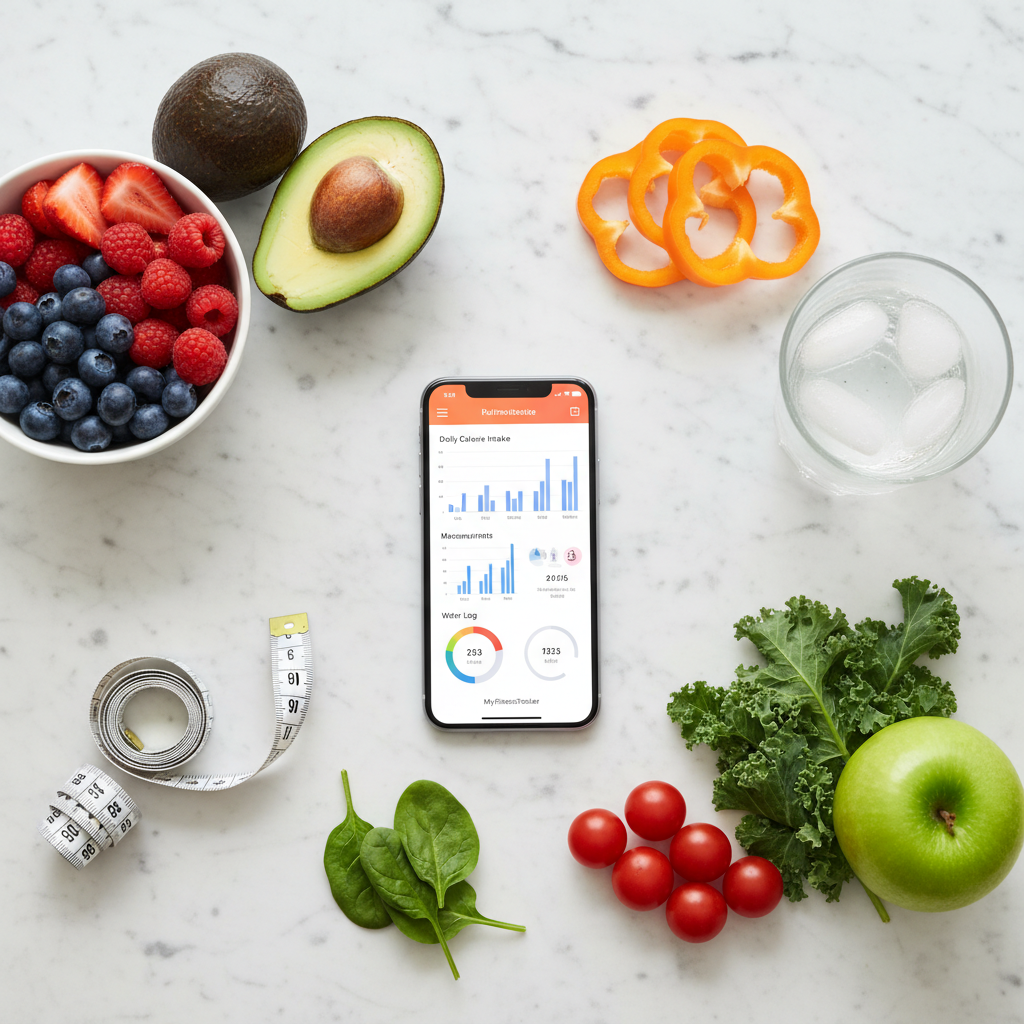
I have a confession: I have spent an embarrassing amount of money on diet apps over the past few years. Annual subscriptions I forgot to cancel, premium tiers I upgraded to at 2am after a bad weigh-in, the works. So when I sat down to write this roundup, I did not have to do much research. I already had opinions.
The best diet apps in 2026 do more than count calories. Some coach you through behavior change. Others geek out on micronutrients. A few just try to make logging less painful. The right one depends on what you actually need, not what has the flashiest Super Bowl ad.
Here are the seven I think are worth your time (and money), ranked by how likely they are to help you stick with it past February.
1. BodyBuddy - best for daily accountability via text
Full disclosure: I built BodyBuddy. But hear me out, because the reason I built it is the same reason it is on this list. I spent years trying every app here. What actually worked was having someone check in on me every single day. The problem was that a human accountability coach costs $300/month or more. BodyBuddy is AI-powered coaching delivered through iMessage, so it fits into your life without adding another app to your home screen.
You text what you ate (or snap a photo), and the AI gives you real feedback. Not a thumbs-up emoji. Actual coaching. It also sends daily check-ins so you cannot just ghost your diet like you ghost your gym buddy.
Pricing: $29.99/month. No clunky dashboards, no food database to scroll through.
Pros:
- Coaching happens in iMessage so there's minimal friction to log meals, and a companion app tracks your progress and shows your Future You avatar
- AI photo meal tracking means you do not need to weigh anything
- Daily check-ins that actually hold you accountable
- Way cheaper than a human coach
Cons:
- iPhone only (iMessage requirement)
- No detailed micronutrient breakdowns
- If you want to be left alone, this is not it
Best for: People who have tried tracking apps before and quit. If your problem is consistency rather than information, BodyBuddy is built for that.

2. Noom - best for understanding why you eat the way you do
Noom made its name with psychology-based weight loss, and the approach still works for a certain type of person. The daily lessons walk you through cognitive behavioral therapy concepts, helping you understand emotional triggers and build better habits from the inside out. In 2026, they have also added Noom Med for GLP-1 prescriptions, which is a whole separate conversation.
The color-coded food system (green, yellow, red) is polarizing. Some people find it clarifying. Others find it stressful and weirdly moralistic about food. I landed somewhere in the middle: it helped me rethink some habits, but I got tired of the daily lessons after about six weeks.
Pricing: Plans start around $70/month for monthly billing, dropping to roughly $17-25/month on annual plans. Not cheap.
Pros:
- Psychology-first approach that addresses the root causes of overeating
- Well-designed lessons that are actually interesting at first
- Group coaching adds a social element
Cons:
- Expensive, especially month-to-month
- Lessons get repetitive after the first month
- The food color system feels judgmental to some users
Best for: Emotional eaters who want to understand their patterns, not just track macros.
3. MyFitnessPal - best food database and calorie tracking
MyFitnessPal is the default answer when someone asks "what app should I use to track calories?" and for good reason. Its food database is massive. Barcode scanning works on almost everything. And after years of iteration, the logging experience is about as painless as manual calorie tracking gets.
In 2026, they have leaned into Premium+ with AI meal scanning (photo logging), custom meal plans, and grocery list syncing. The free version is still usable but increasingly limited. The Premium+ plan runs $29.99/month ($29.99/month), and regular Premium is $29.99/month.
My issue with MFP has always been the same: it is a great logging tool but a terrible accountability tool. You can track perfectly for three days and then just stop opening the app. Nobody notices. Nobody cares.
Pros:
- Largest food database of any diet app
- Barcode scanning is fast and accurate
- Integrates with almost every fitness tracker and smart scale
- New photo meal logging is solid
Cons:
- free version keeps getting more restricted
- No coaching or behavior change support
- Easy to obsess over numbers in an unhealthy way
Best for: People who want precise nutritional data and do not mind manual logging.
4. Lose It! - best free calorie counter
Lose It! does not try to be everything. It is a calorie counter, and a good one. The interface is cleaner than MyFitnessPal, the free version is more generous, and the snap-to-track photo feature has gotten surprisingly accurate.
Where it falls short is depth. If you care about micronutrients or want coaching, you will outgrow it. But if you just want a simple, no-nonsense calorie budget with a decent food database, Lose It! is hard to beat on value.
Pricing: free version is genuinely usable. Premium is about $29.99/month.
Pros:
- Generous free version
- Clean, simple interface that does not overwhelm you
- Photo food recognition is improving fast
Cons:
- Smaller food database than MyFitnessPal
- Limited macro and micronutrient tracking on free version
- No coaching or accountability features
Best for: Budget-conscious beginners who want straightforward calorie tracking.
5. MacroFactor - best for serious macro trackers
MacroFactor is the nerdy pick on this list, and I mean that as a compliment. Built by the team behind Stronger By Science, it uses an algorithm that adjusts your calorie and macro targets based on your actual weight trends over time. Instead of giving you a static number and hoping for the best, it learns your metabolism.
The food logging is also fast. Their "quick add" and recipe features are well-designed. The expenditure algorithm is genuinely clever and updates weekly based on real data.
Pricing: $29.99/month or $29.99/month. No free tier.
Pros:
- Adaptive algorithm that adjusts targets based on real weight data
- Science-backed approach from a trusted team
- Fast, well-designed logging experience
- Now includes workout tracking too
Cons:
- No free tier at all
- Can be overwhelming if you just want simple calorie counting
- Still requires manual logging discipline
Best for: Data-driven people who want their calorie targets to actually reflect reality, not a generic calculator.
6. Cronometer - best for micronutrient tracking
If you have ever wanted to know exactly how much zinc or vitamin K you ate today, Cronometer is your app. It tracks up to 84 micronutrients using verified, research-grade food data. While most apps focus on calories and macros, Cronometer goes deep on the stuff your body actually runs on.
The trade-off is that the interface feels more clinical than consumer-friendly. It is not ugly, but it is definitely built for people who care more about data accuracy than cute animations. Over 10 million downloads and a HIPAA-compliant pro tier speak to its credibility.
Pricing: Free tier available. Gold subscription is about $29.99/month.
Pros:
- Tracks 84 micronutrients, not just the big three macros
- Verified food database with research-grade accuracy
- Great for people with specific dietary needs (keto, vegan, medical conditions)
Cons:
- Interface feels clinical rather than fun
- Smaller food database for packaged/restaurant foods
- No coaching or accountability features
Best for: Health-focused individuals who want the full nutritional picture, not just a calorie count.
7. Yazio - best all-rounder for European users
Yazio is huge in Europe and gaining traction in the US. It combines calorie tracking with intermittent fasting timers, meal plans, and recipe suggestions. The design is polished and the onboarding experience is one of the better ones I have used.
The free version covers the basics, and the Pro tier adds meal plans, detailed nutrient tracking, and body measurement logging. It does not do anything revolutionary, but it does a lot of things competently in one package.
Pricing: Free tier available. Pro costs about $29.99/month.
Pros:
- Clean design with solid onboarding
- Built-in intermittent fasting tracker
- Good recipe and meal plan features
Cons:
- Food database skews European (US coverage is improving but not perfect)
- Nothing that makes it stand out from the pack for US users
- No coaching or accountability built in
Best for: People who want calorie tracking plus fasting support in one well-designed app.
So which diet app should you actually use?
It depends on where you keep getting stuck. Here is my honest take after using all of these:
- If you quit every app after a week because nobody holds you to it: BodyBuddy
- If you eat your feelings and want to fix that: Noom
- If you just want a reliable calorie counter: MyFitnessPal or Lose It!
- If you want your targets to adapt automatically: MacroFactor
- If you care about vitamins and minerals, not just macros: Cronometer
- If you want tracking plus fasting in one app: Yazio
The unsexy truth about diet apps is that the best one is the one you actually use. A mediocre app you open every day beats a perfect app you abandon in week two. Figure out what has tripped you up in the past, and pick the tool that solves that specific problem.
Frequently asked questions
What is the most accurate diet app?
For raw nutritional data accuracy, Cronometer wins because it uses verified, research-grade food databases. MyFitnessPal has a larger database, but it includes user-submitted entries that can be wildly inaccurate. MacroFactor is the most accurate at predicting your actual calorie needs over time thanks to its adaptive algorithm.
Are diet apps worth paying for?
It depends on what you are paying for. Free calorie counters work fine if all you need is a food log. But if you want coaching, adaptive targets, or accountability features, paid apps tend to deliver more value. The question is whether the cost is less than what you spend on takeout when you fall off track. For most people, $5-10/month is a reasonable investment if it keeps you consistent.
Can a diet app replace a nutritionist?
No. If you have a medical condition, food allergies, or a complicated relationship with food, talk to a registered dietitian. Diet apps are tools for tracking and accountability, not medical advice. That said, for generally healthy people who just want to eat better and stay consistent, a good diet app can fill a lot of the gaps between nutritionist visits.
What is the best diet app for weight loss specifically?
For weight loss, you need a calorie deficit and the consistency to maintain it. Apps like MyFitnessPal and Lose It! handle the deficit math. Noom helps with the psychology. BodyBuddy handles the consistency piece through daily AI-powered check-ins. MacroFactor automatically adjusts your targets if your weight stalls. Pick based on which part of the equation you struggle with most.
The bottom line
I have tested dozens of diet apps at this point, and these seven are the ones I would actually recommend to a friend. They each solve a different problem. If you have been jumping between apps every few months hoping the next one will be "the one," stop and think about what specifically went wrong last time. Was it the tracking itself? The lack of guidance? The fact that nobody noticed when you stopped?
Answer that question honestly, and the right app on this list will be obvious. And if your answer is "I just stopped and nobody cared," well, that is exactly why I built BodyBuddy.
Everyone gives you a plan.BodyBuddy texts you until it happens.
BodyBuddy keeps you on track—from meals to doctor's appointments and everything in between.