First 20 minutes
State your why

We talk before anything else. I ask what you're after, whether that's a number on the bar, a shirt that fits differently, or just feeling strong again.
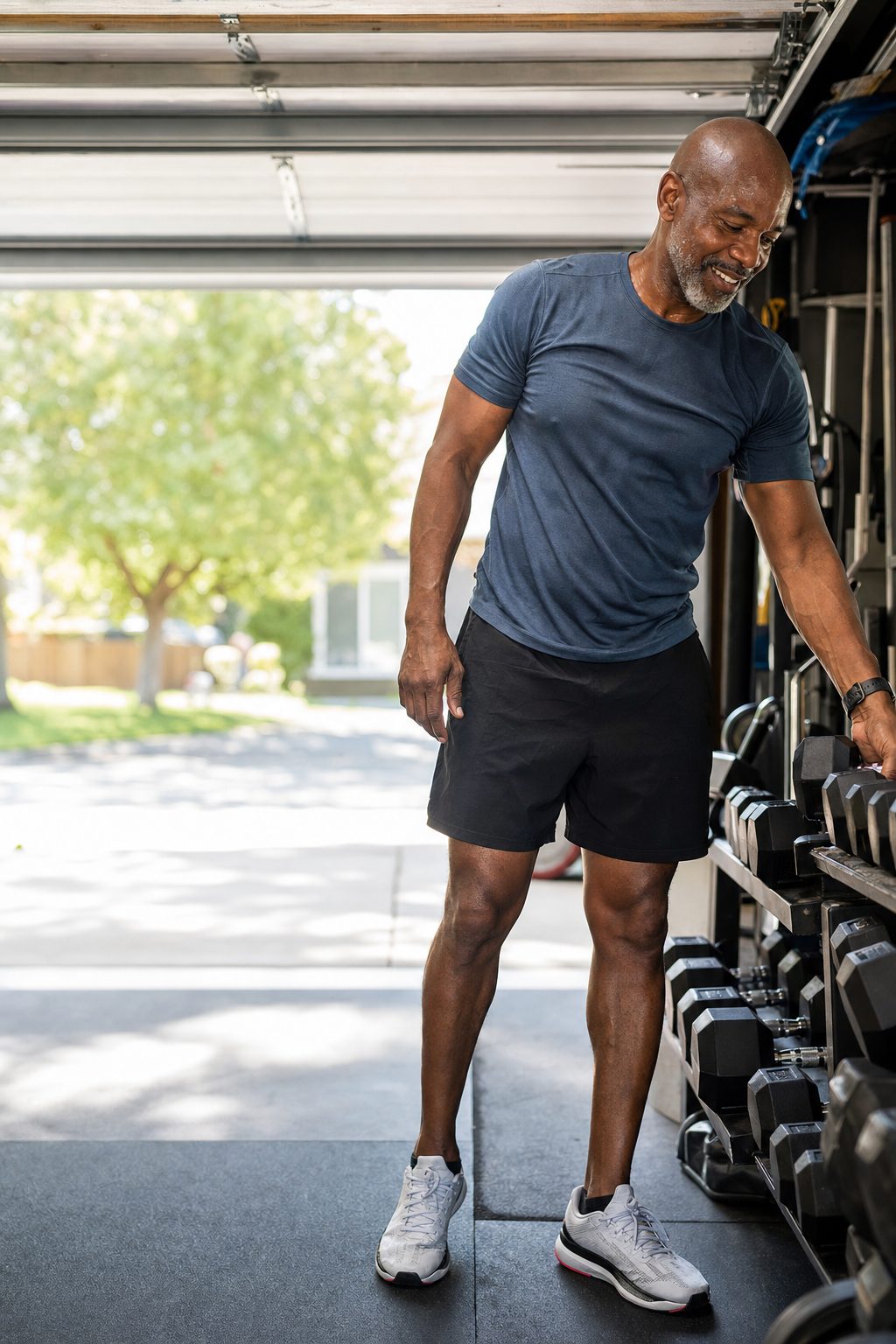
You want to build muscle and feel stronger. That usually means eating more protein and getting to the gym more consistently. I'll help you follow through on both.
“[BodyBuddy] stays on top of me and my goals even when I'm tired or just don't want to.”
12 weeks

We work on your training, your food, and your recovery together. The goal is a routine you can keep, in the gym and at the table.
First 20 minutes
We talk before anything else. I ask what you're after, whether that's a number on the bar, a shirt that fits differently, or just feeling strong again.
Day 1
Choose a plan from the library, or send me your PT's program or a workout routine you're following on YouTube. If you're starting fresh, try BodyBuddy Foundations, our 90-Day Habit Reset. We build one habit at a time alongside your training, and I help you stick with it.
Week 1

Text me your meals, your workouts, and how active your usual day is. We look at your current eating and movement habits together, including protein and how often you train. Then we set targets around your starting point and the week you actually have.
Every day
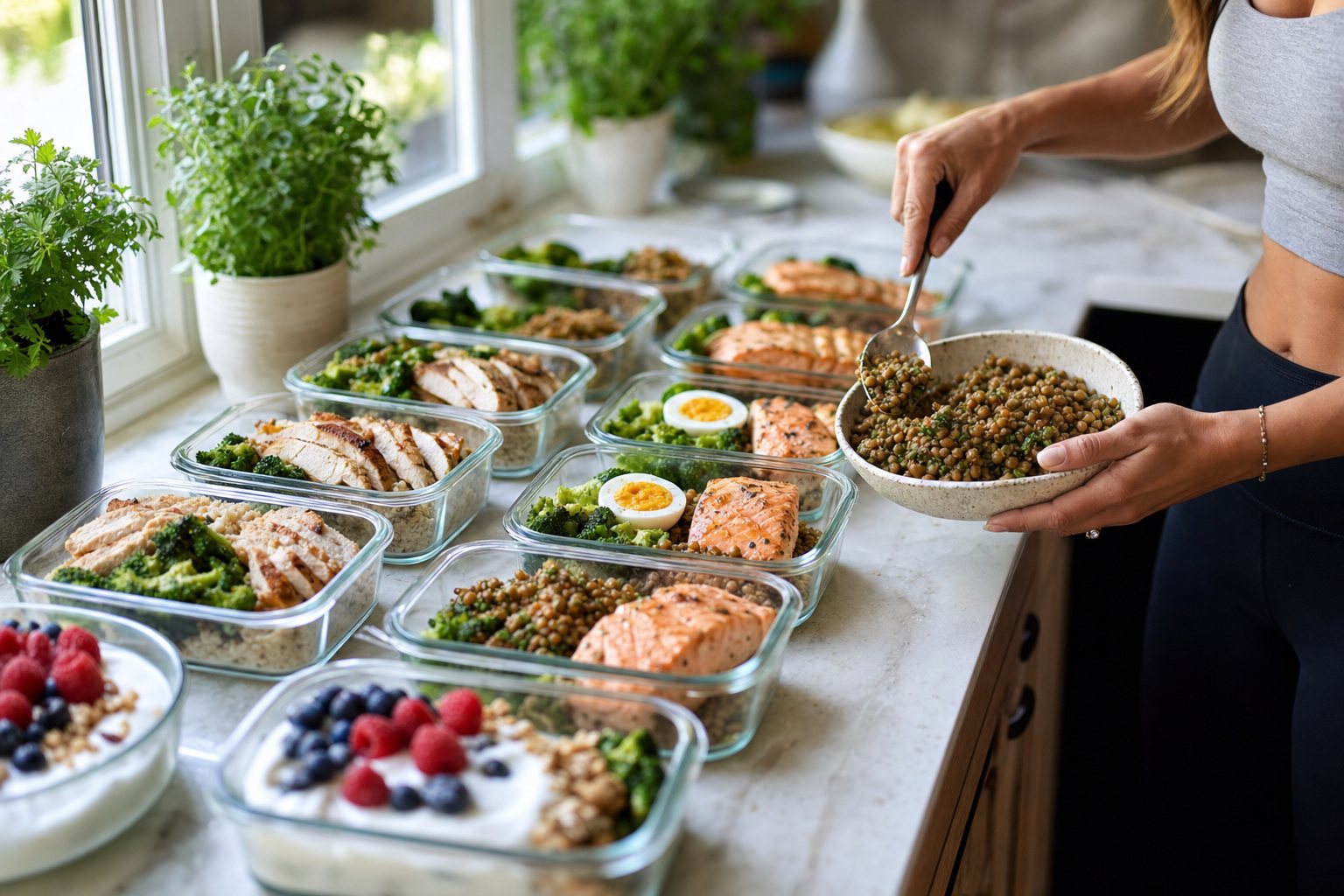
We build meals around enough protein and food to support your training, using things you like to eat. I help with meal prep, a grocery list, or what to order when you're out. If you already have a meal plan, send it over and we'll work from that.
During the week
We work on making training fit your week. Text me what you lifted and how it felt, and I help you keep track. As you get stronger, we look at adding a little weight or another rep, with your form and recovery setting the pace. If getting there is the hard part, we work on that first.
1–2 days a week

I keep track of your sleep from your devices or from what you tell me, and I work out your sleep debt. Helping you recover is part of my coaching, so we talk about when to rest as well as when to train. Sore is fine. Pain gets worked around, and if it lasts, I send you to someone who can look at it.
Sundays
We look at your workouts, your meals, and how you felt. If training was consistent but protein kept falling short, we work on food next. You leave with one thing to focus on for the week.
Weeks 4 to 8
Around this point, we often see life throw something at even our most consistent clients: a trip, a setback, or a brutal stretch at work. If that happens, we find manageable workouts and easy meals for the week you actually have, so you can keep going.
Month 3 and on

We plan for trips and busy weeks before they arrive, so you know how training and meals will fit. When your lifts stall, we look at your workouts, food, and recovery together. We work out what needs adjusting and set the next goal from where you are now.
Type your sets the way you already do, in whatever shorthand you use, and text it to me. I read it, log every set, and send back a card with the session on it.
Everyone getting stronger hits the same walls. The mirror doesn't change for weeks. The motivation to go runs out. A missed week feels like starting over. When you hit one, I text you a short lesson on it: a few picture cards you can flip through, right in our thread. Here is one of them.





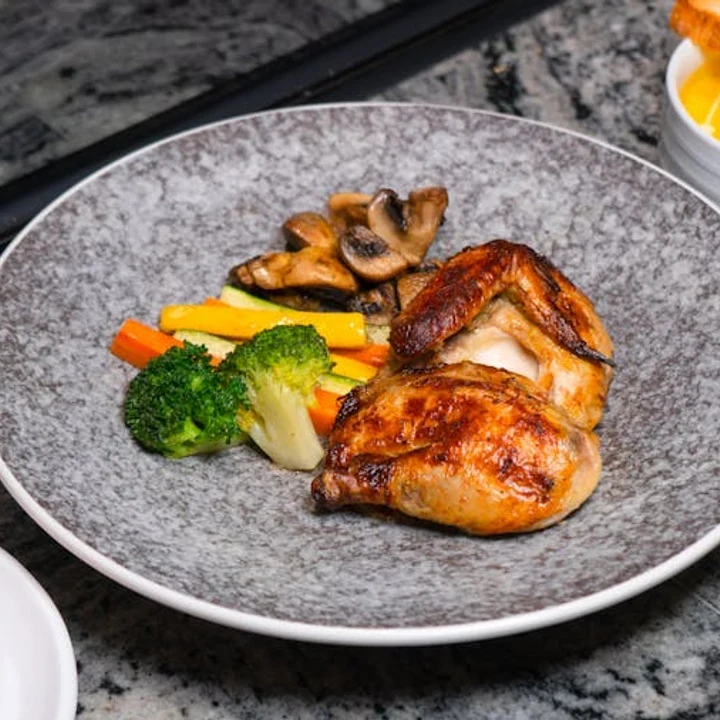 meal photo
Log with a photo, a voice note, or a text
Text me a meal photo and I estimate the calories and protein. Your food and workouts stay in the same thread.
Live updates in the Dynamic Island
With the app, your day sits at the top of your phone while you text me.
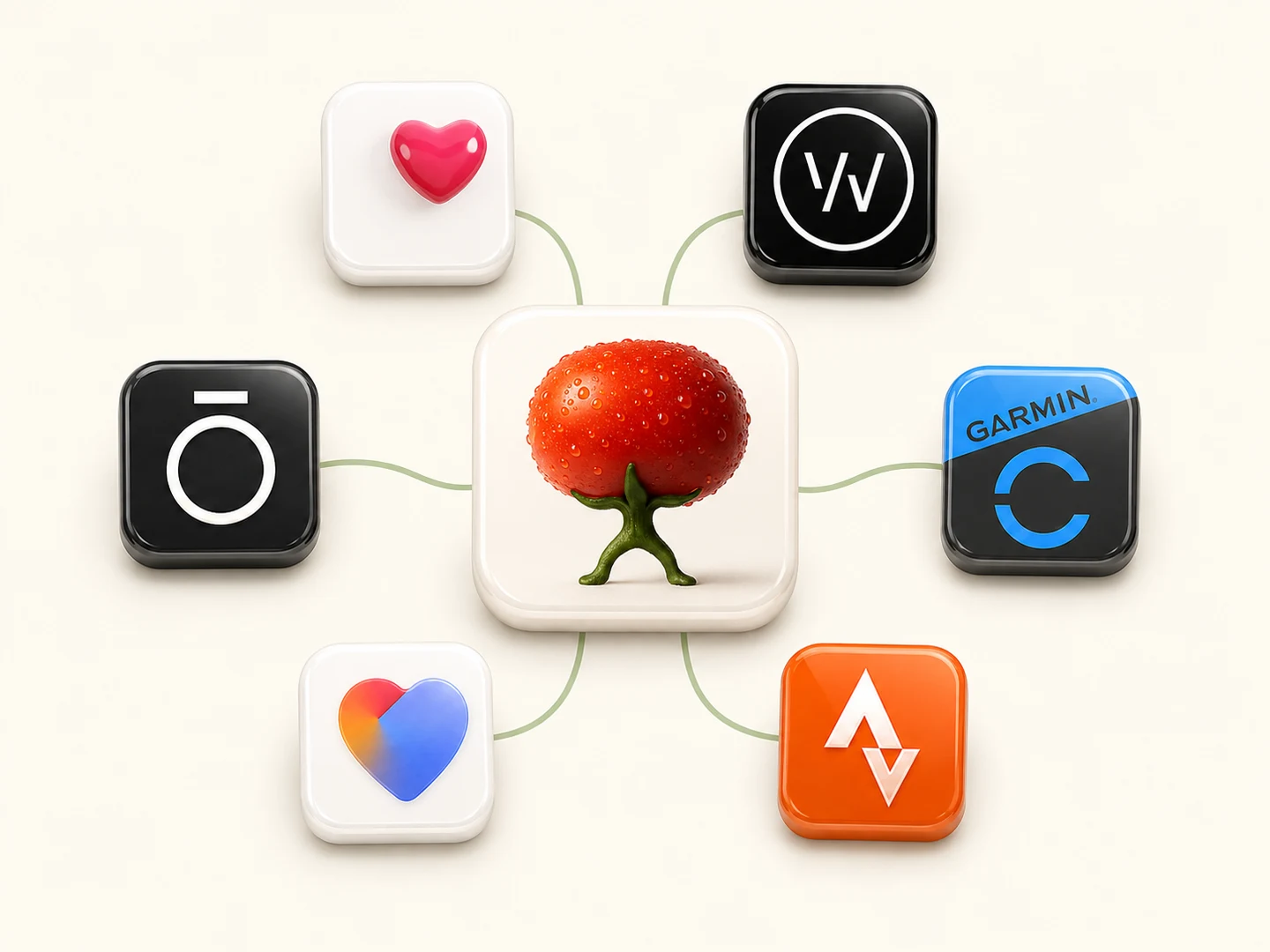
Apple Health and device integrations
Steps, sleep, and workouts sync from your phone or device, giving me a fuller picture of your health and deeper insights into your progress.
Bench press progress
12 weeks · best set of 8 reps · lb
Ask me about any of your data
Ask a question about anything we've tracked and I send back a chart, right in the thread.
Tap to start a conversation if this sounds like you.
Bring your workout plan, your meal plan, or neither. We start with your goal, the food you like, and the time you have, then work on making it all fit your week.
No. The plan library has dumbbell-only and bodyweight plans, and I run whatever you pick the same way: today's session on the day it's due, and the weights you text me kept for next time.
Read the full answerYes. Send it as a photo, a screenshot, a PDF, or a link from a coach or a creator, and I run it as written. Nothing gets rewritten unless you ask.
Read the full answerType it the way you'd write it in Notes: the exercise, the weight, the sets and reps. I read it and keep it. There's a template if you want one.
Read the full answerI apply your plan's own rule. When you hit the top of the rep range with reps in reserve, I say so and suggest the next step up. When you miss, we hold the weight.
Yes. The plans are the same and the guidelines are the same. The full page has what the trials found in women, including the answer to the bulking question, with the sources.
Read the full answerFor many people, yes, especially if you're newer to training or coming back after a break. It takes protein in view every day and a modest deficit. The full page has the numbers the sources give.
Read the full answerWe pick up where you left off, a little lighter than the last session, and add from there. Missing is normal; the thing that matters is that someone asks about the next one.

Hi, I'm Francis 👋
Nobody fails a plan on day one. They fail it on the Wednesday nobody asked about. I built this to be the one who asks.
Francis John, BodyBuddy FounderText me7-day free trial, cancel anytime.
No one is reading your texts
Nobody monitors your thread. A conversation is reviewed by our own staff only in limited cases, such as a request for human help or a safety concern, and never shared outside.
Your data is yours to delete
You can request deletion of your personal data at any time, and deleting your account removes it from our systems.
Not sold or used for advertising
We do not sell consumer health data or share it for advertising. Service providers process it only to deliver the features you choose.
A coach that stays with you through every plan, every setback, and all the days in between.