
Why You Lose Control With Food at Night
You ate 'perfect' all day. Then 9pm hit. Here's why — and it's not what you think.
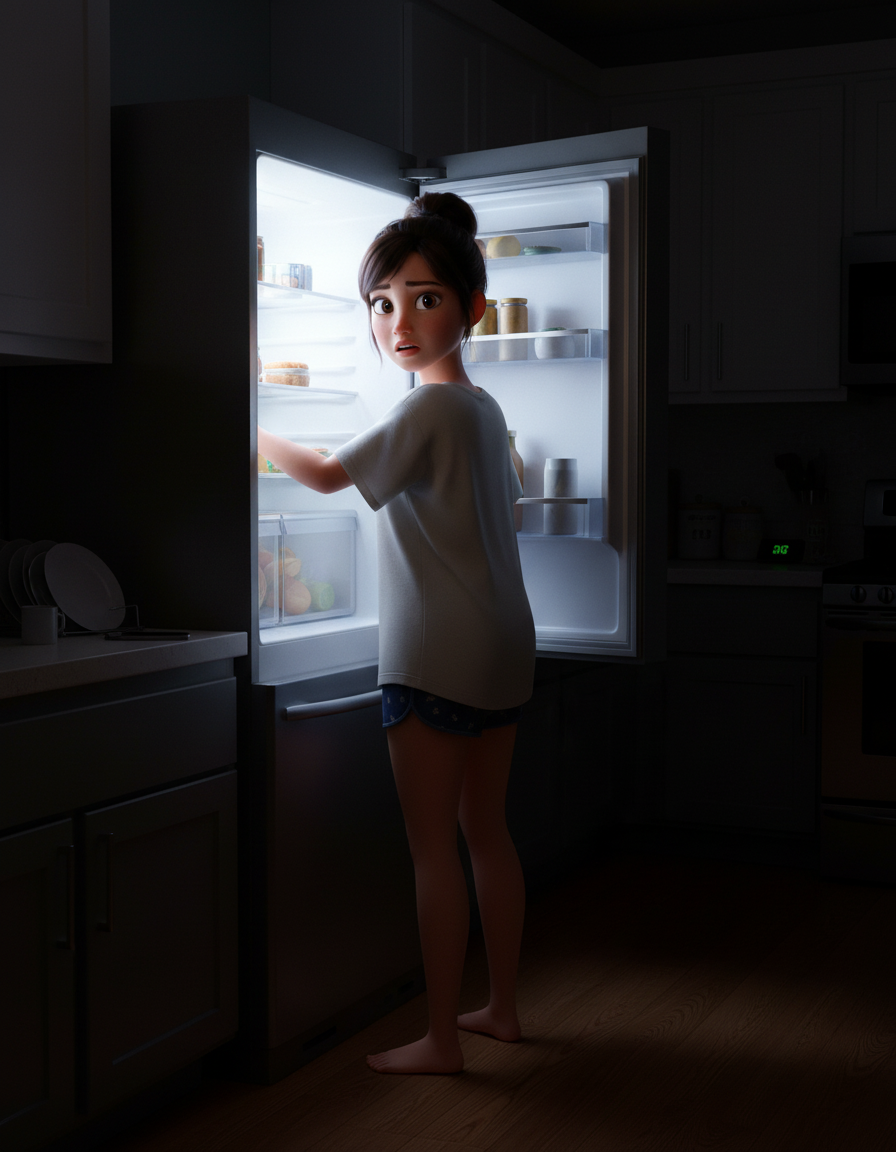
You ate "perfect" all day. Salad for lunch. Protein shake for a snack. Stayed under your calories. You were so disciplined, so controlled, so good.
Then 9pm hit. And suddenly you're standing in the kitchen, eating peanut butter straight from the jar, followed by crackers, then cheese, then whatever else you can find. By the time you stop, you've eaten more in an hour than you did all day.

And now comes the familiar thought: What is wrong with me? Why can't I just have discipline at night?
Nothing is wrong with you. And this has nothing to do with discipline. What happened at 9pm is the direct, predictable consequence of what happened — or didn't happen — between 7am and 6pm.
It's Biology, Not Willpower

You didn't snap because you're weak. You snapped because you under-ate all day and your body collected on the debt. That salad for lunch? 350 calories. The protein shake? Maybe 200. By 6pm, you'd given your body roughly half the fuel it needed to function.
Your body isn't stupid. It noticed. It tracked every missing calorie like an accountant tracking unpaid invoices. And when evening hit — when your willpower was lowest and your cortisol was highest — it called in the debt. All at once.
You didn't snap because you're weak. You snapped because you under-ate all day and your body collected on the debt. That's not a character flaw. That's biology.
This is a survival mechanism. Your brain has one job above all others: keep you alive. When it detects a calorie deficit that's gone on too long, it overrides your conscious decisions with primal hunger signals that are virtually impossible to resist. The drive to eat at that point isn't a "craving" — it's an emergency response.
The Fix Isn't More Discipline at Night

If your approach to nighttime snacking is to lock the pantry, remove snacks from the house, or just "try harder" — you're treating the symptom, not the cause. The fix isn't more willpower at 9pm. The fix is eating enough at 9am, 12pm, and 3pm so your body doesn't stage a revolt at night.
What 'eating enough' actually looks like
Eat a real breakfast. Not just coffee. Eggs, oatmeal, toast — something with substance.
Add a snack at 3pm. The afternoon gap between lunch and dinner is where most people's calorie debt starts building.
Put actual carbs on your plate at dinner. Carbs aren't the enemy. Under-eating is.
This feels counterintuitive. You're trying to lose weight, so eating more during the day seems backwards. But think about what's actually happening: you're not eating more total calories. You're redistributing the same calories across the day instead of cramming them all into a 10pm binge.
When Your Body Trusts You

Here's what happens when you start feeding yourself consistently throughout the day: the nighttime chaos calms down on its own. Not immediately — your body needs a few days to a few weeks to learn that food is coming regularly — but it happens.
You'll still want a snack at night sometimes. That's normal. But it'll be a snack — not a frantic, standing-in-the-kitchen, eating-everything-in-sight episode. The difference between a snack and a binge is whether your body feels safe.
When your body trusts that food is coming consistently, the nighttime chaos calms down on its own.
The answer was never more restriction. It was never more willpower. It was learning to give your body what it needs, when it needs it, so it stops taking it by force at the worst possible time.
If this cycle sounds familiar, BodyBuddy can help you break it. It texts you every day to check in — not just about what you ate, but about whether you're eating enough. Because sometimes the path to losing weight starts with eating more during the day, not less.
Stop the 9pm spiral
BodyBuddy texts you every day.
A daily check-in that catches under-eating before it turns into a late-night binge. No willpower required — just better patterns.